Home and garden products cover a wide range of sizes, weights, packaging formats, and retail environments. That makes display selection more practical than decorative: the right structure must hold the product, fit the store layout, support refilling, and survive transport.
For brand owners, wholesalers, and retail buyers, a cardboard display for home and garden products should not be chosen only by appearance. It should be chosen by product weight, sales channel, SKU count, assembly method, and how store staff will use it after delivery.
Why Home and Garden Products Need a Practical Display Strategy
Home and garden categories often include mixed product types: seed packets, gardening gloves, small tools, plant food, cleaning supplies, candles, storage items, pest control packs, spray bottles, and seasonal promotional kits.
Each product behaves differently on a display.
A seed packet needs neat front-facing rows. A spray bottle needs shelf depth and weight support. A garden tool may need hooks. A home fragrance gift set needs better visual presentation. A seasonal garden promotion may need a larger floor display or pallet display near the aisle entrance.
That is why one display style does not fit every product.
From a manufacturer’s point of view, the first question is not “Which display looks best?” The better question is: “How will this product sit, sell, refill, and ship?”
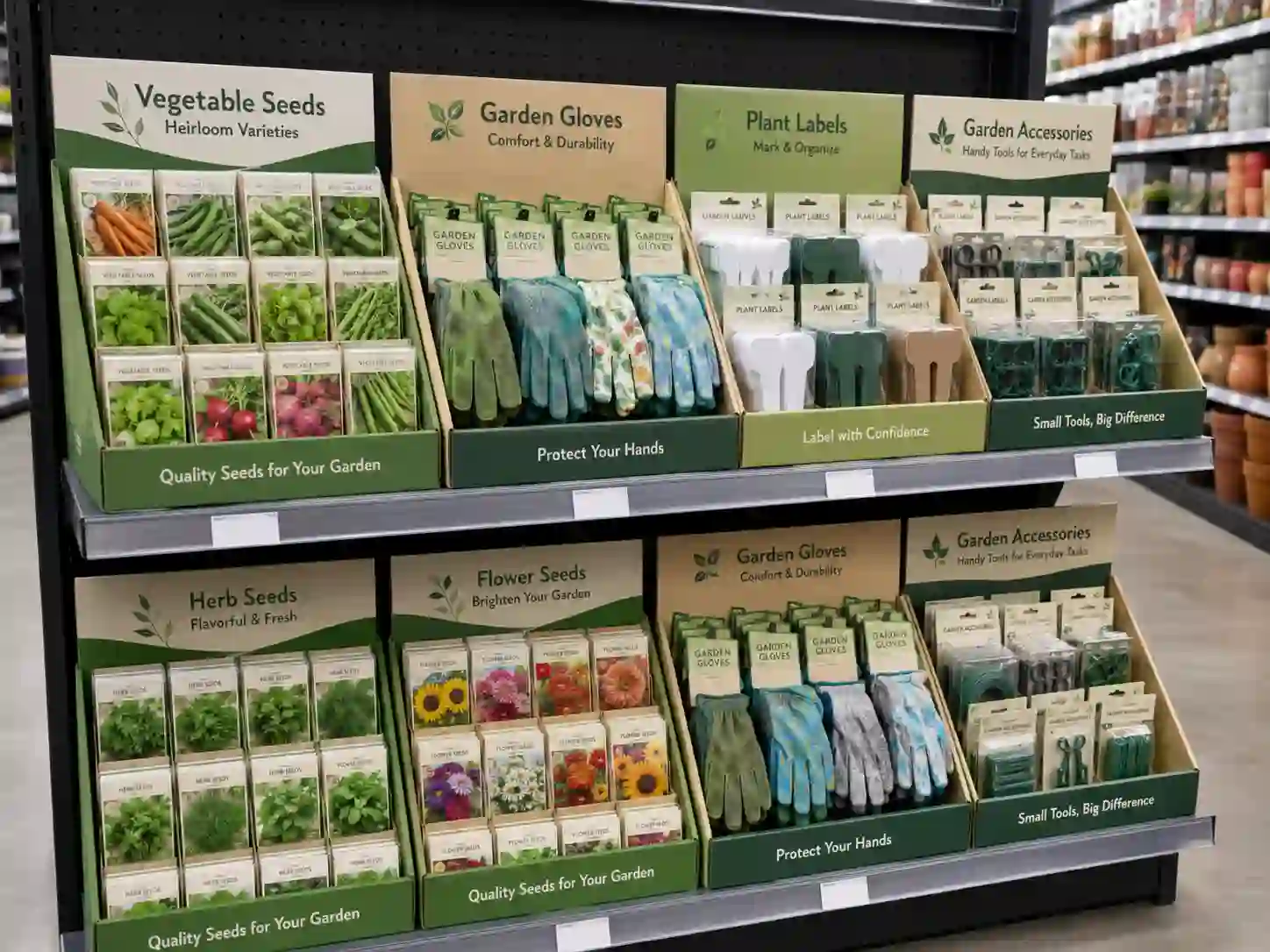
Main Display Types for Home and Garden Products
Different cardboard display structures solve different retail problems. The best choice depends on whether the buyer wants impulse sales, organized product education, bulk promotion, or seasonal exposure.
Counter Displays for Small Home and Garden Items
Counter displays work well for small, lightweight products. These include seed packets, plant labels, small gloves, mini cleaning tools, air fresheners, sachets, small hardware packs, and compact promotional items.
A counter display is useful when the product is purchased as an add-on. It can sit near the checkout counter, service desk, garden center payment area, or promotional table.
For home and garden products, counter displays usually need:
- Short front lips to keep products visible
- Dividers for multiple SKUs
- A small header card for product messaging
- Reinforced side walls if products are dense
- Easy flat packing for export shipment
Counter displays are also useful for test orders because they need less retail floor space. For a new product launch, this can help a buyer test shelf response before committing to a larger floor display program.
You can learn more about structure options on custom cardboard displays.
PDQ Displays for Retail-Ready Packing
PDQ displays are practical for home and garden products that need quick store setup. The display can be filled at the factory, packed into a shipping carton, and placed directly on a shelf or counter after opening.
This format works well for seed packets, small garden accessories, cleaning tablets, hooks, clips, plant tags, small pest control packs, and home maintenance items.
A PDQ display should be designed with the full retail process in mind:
- Products should stay upright during shipping
- The front panel should not block product information
- Retail staff should be able to open and place it quickly
- The display should fit standard shelf depth
- The carton should protect both products and printed panels
For many chain retail programs, PDQ displays reduce setup time and help stores keep product groups clean.
Peg Displays for Hanging Products
Peg displays are often suitable for home and garden products packed in blister cards, hang bags, or header-card packaging. Examples include gardening gloves, hand tools, hooks, hose accessories, cleaning brushes, cable ties, repair kits, and small hardware items.
A cardboard peg display needs careful hook spacing. If the hooks are too close, products overlap and look messy. If the hooks are too far apart, retail space is wasted.
The structure also needs proper backing strength. For heavier hanging items, the peg panel may need thicker board, internal reinforcement, or a stronger back support. Hook load testing during sampling is important.
Small details matter here.
The display should allow customers to remove one product without pulling several items off the hook. Store staff should also be able to refill products quickly without reorganizing the whole display.
Floor Displays for Medium Product Ranges
A floor display is one of the most common choices for home and garden promotions. It provides strong visibility in aisles, seasonal areas, endcaps, and garden center zones.
Floor displays work well for:
- Cleaning sprays
- Plant food bottles
- Garden gloves
- Tool sets
- Home storage accessories
- Scented products
- Seasonal home improvement kits
- Outdoor living accessories
A floor display can hold more products than a counter or PDQ display. It can also show multiple SKUs in one structure.
But weight planning is critical.
For bottles, jars, small tools, or dense home products, the display should use stronger corrugated board, internal support panels, shelf reinforcement, and proper weight distribution. Lower shelves should usually carry heavier products. Lighter items can sit on upper shelves.
A good floor display should look full after partial sell-through. This is important for home and garden products because shoppers may remove different SKUs at different speeds. Clear product grouping helps the display stay organized between refills.
For broader display structures, visit cardboard display solutions.
Comparison Table: Which Display Works Best?
| Display Type | Best For | Placement | Key Structure Concern | B2B Advantage |
|---|---|---|---|---|
| Counter Display | Seed packets, small tools, small accessories | Checkout, counter, service desk | Small footprint and product visibility | Good for test orders and add-on sales |
| PDQ Display | Small retail-ready packs | Shelf, counter, promotional table | Shipping stability and easy opening | Fast store setup |
| Peg Display | Hanging packs, gloves, tools, accessories | Aisle shelf, side area, floor stand | Hook spacing and back panel strength | Clear SKU separation |
| Floor Display | Medium product ranges, bottles, kits | Aisle, seasonal zone, endcap | Shelf strength and refill access | Strong promotional visibility |
| Sidekick Display | Compact seasonal items | Endcap side, traffic path | Narrow width and secure attachment | Saves retail floor space |
| Pallet Display | Bulk seasonal programs | Warehouse club, entrance, large retail area | Load stability and export packing | High-volume campaign support |
How Product Weight Changes Display Design
Weight is one of the first details a manufacturer needs. A display for paper seed packets is not built the same way as a display for plant food bottles or spray cleaners.
For lightweight products, structure can focus more on visibility, compartments, and front-facing presentation. For heavier products, structure must focus on load capacity, compression strength, shelf support, and transport safety.
Lightweight Products
Lightweight home and garden products include seed packets, small cards, paper sachets, thin gloves, cleaning pads, and small plastic accessories.
For these products, the display can use slim compartments, shallow trays, or narrow dividers. The main challenge is organization, not load strength.
A good design should prevent products from falling flat. Seed packets, for example, often need stepped compartments or angled trays so buyers can see each design.
Medium-Weight Products
Medium-weight products include small spray bottles, boxed accessories, candle jars, home fragrance items, small gardening kits, and packaged tools.
These products need stronger shelves and better product blocking. If the display is too deep, products may slide backward. If the shelf lip is too low, products may fall during handling.
For medium-weight items, we often recommend sample testing with real product weight. Product size drawings are useful, but real packed products give better results during shelf load checks.
Heavy or Dense Products
Heavy home and garden products need a more cautious approach. These may include plant food bottles, cleaning liquid, jars, hardware packs, or multi-piece tool sets.
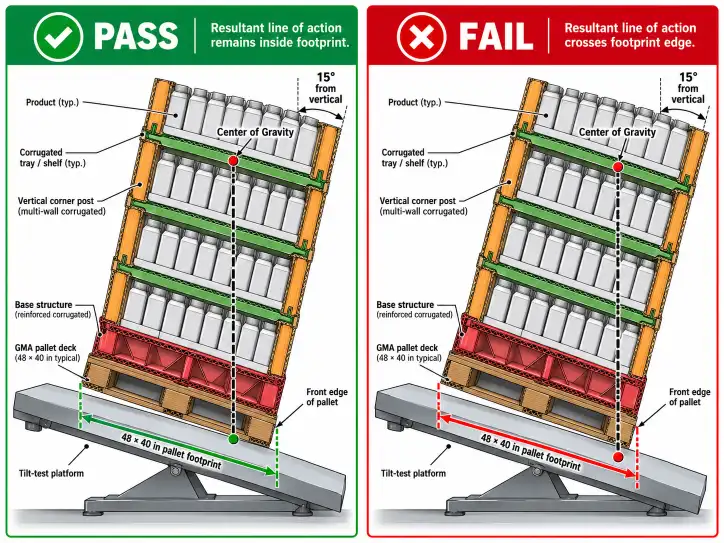
For heavy products, corrugated grade, flute direction, shelf locks, side support, and base structure all matter. The display may also need a lower center of gravity to prevent tipping.
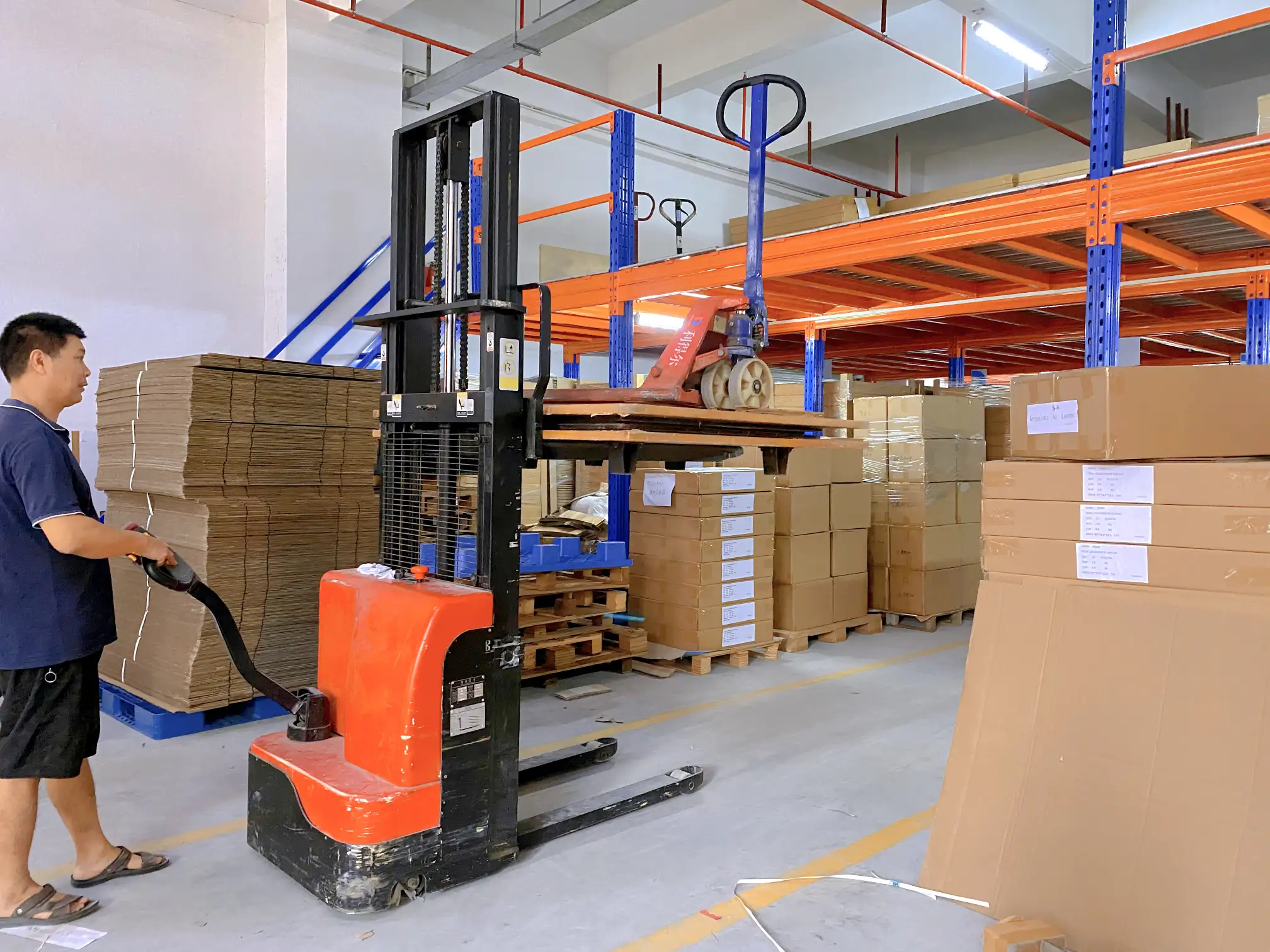
For export orders, the shipping carton should be checked as part of the display plan. A strong display can still arrive damaged if the outer carton, inner protection, or packing direction is not planned well.
Store Placement Should Guide the Structure
Retail placement affects the display more than many buyers expect.
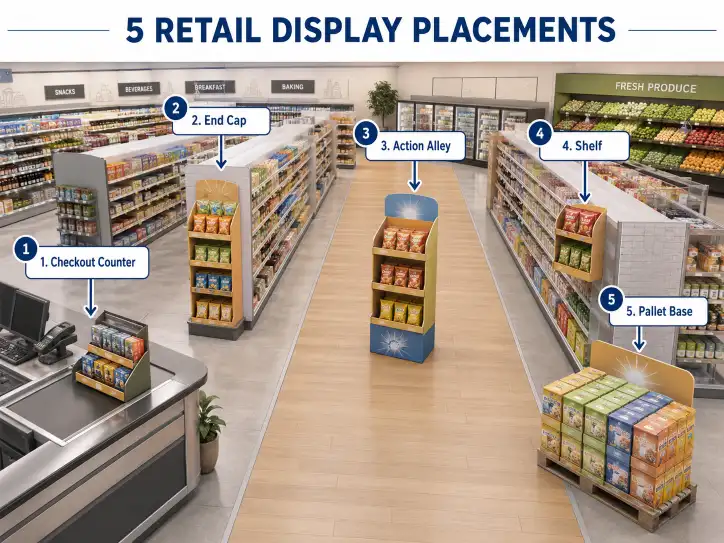
A counter display needs to be compact. A sidekick display needs a narrow structure and stable attachment. A floor display needs enough height to catch attention without blocking the aisle. A pallet display needs strength for bulk volume and warehouse-style movement.
Shelf and Counter Placement
Shelf and counter placement favors smaller formats. The display should fit the available retail depth. It should also keep the product easy to see from a normal shopping angle.
For counter displays, the header cannot be too tall if the display sits near a checkout area. For shelf PDQ displays, the front lip must balance product security with product visibility.
Aisle Placement
Aisle displays need clear product grouping. Customers should understand the product category within a few seconds.
For garden products, this may mean separating gloves by size, plant food by use, or accessories by product type. For home products, this may mean grouping cleaning, storage, fragrance, or repair items.
Good aisle displays also support refill. Store staff should not need to rebuild the display every time products are added.
Seasonal and Promotional Zones
Home and garden categories are often seasonal. Spring gardening, summer outdoor living, holiday home fragrance, and cleaning promotions all need strong display timing.
For seasonal promotions, flat packing and easy assembly become more important. Retail teams may need to set up many displays in a short period. Clear instructions, numbered panels, and simple locking structures can reduce errors.
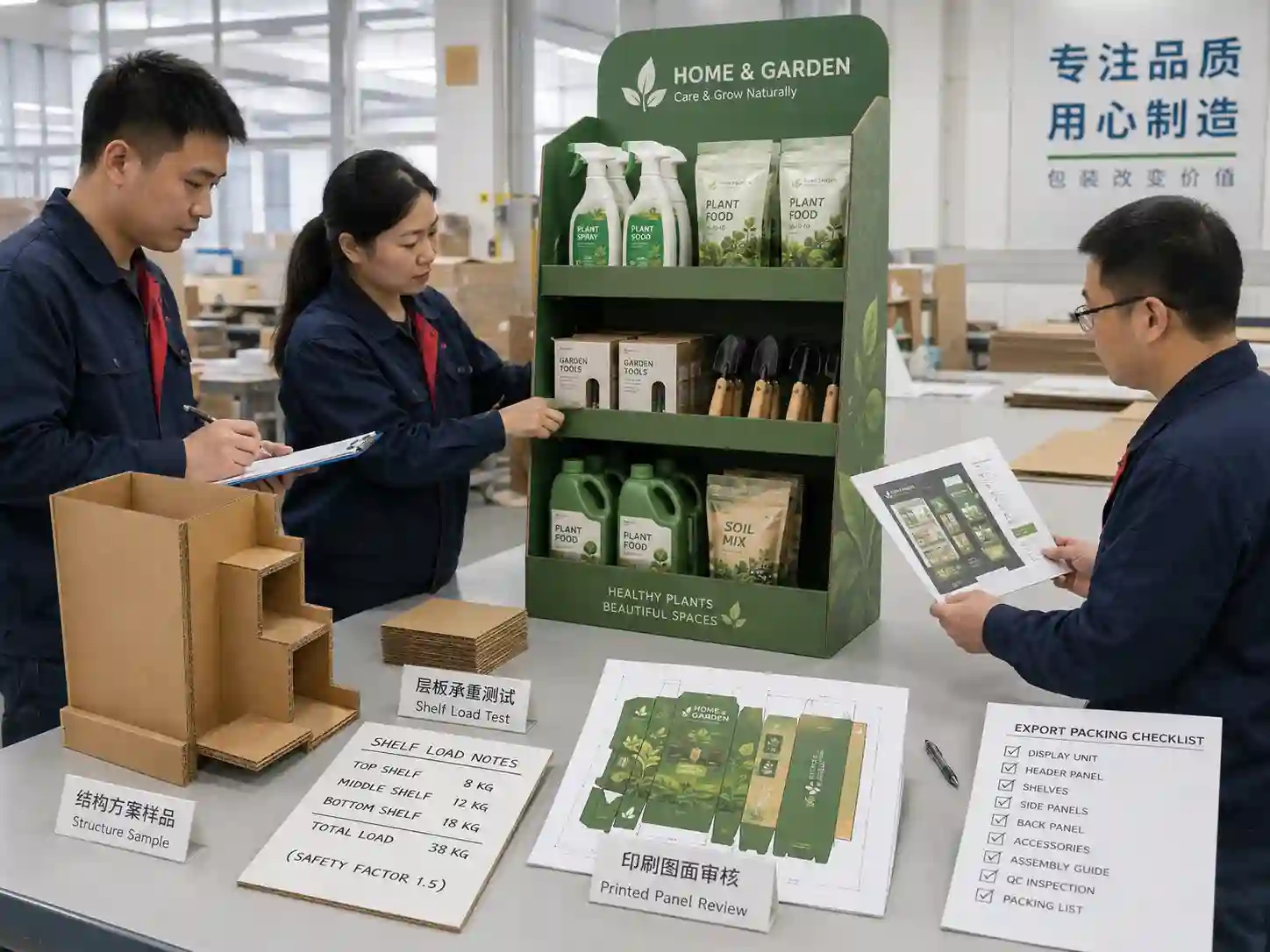
Material Choice for Home and Garden Displays
The material should match the product and retail environment.
Most cardboard displays use corrugated board because it gives strength while staying lightweight. The board grade may change depending on product load, display height, shipping method, and store requirements.
For premium home products, such as candles or giftable home fragrance sets, printed paperboard, laminated surfaces, and refined finishing can improve shelf appeal. For garden tools or cleaning items, practical strength may matter more than decorative finishing.
Common material and finishing considerations include:
- Corrugated board thickness
- Single-wall or double-wall structure
- Kraft, white, or coated surface
- Lamination for print protection
- Reinforced shelves for heavier products
- Internal supports for tall floor displays
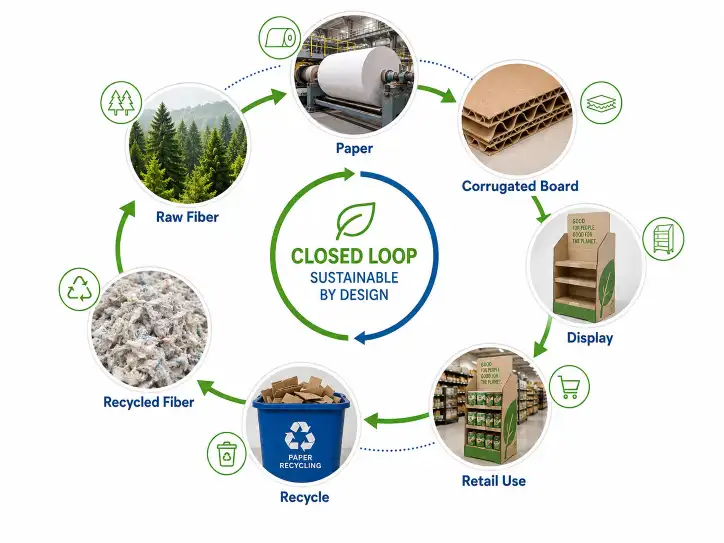
- Recyclable material requests
- FSC-related paper sourcing when required by the buyer
Some buyers also ask about standards or packaging guidance from organizations such as FSC, ISO, FEFCO, or local packaging associations. These references can support responsible sourcing, quality systems, and carton structure discussions, but the final display still needs practical testing with the real product.
Sampling Is Where Display Problems Are Found
A display drawing can look correct on screen and still fail during use. Sampling helps catch problems before bulk production.
For home and garden products, sampling should check:
- Product fit
- Shelf load
- Hook spacing
- Product visibility
- Assembly steps
- Stability after partial sell-through
- Flat-pack direction
- Export carton protection
- Print color and finishing
- Header and branding position
A sample does not need to be complicated. It needs to answer practical questions.
Can the product fit correctly? Can the display stand straight? Can staff assemble it without confusion? Can customers take products easily? Can the display be packed efficiently?
At Leader Display, we look at sampling as a production risk control step, not only a visual approval step. This is especially important for B2B buyers who need consistent displays across multiple stores.
Assembly and Refill Should Be Designed Early
A home and garden display may look strong during approval, but store performance depends on daily use.
Retail staff need fast assembly. They may not have tools, extra time, or packaging knowledge. A display with fewer parts and clear locking tabs is often better than a design that looks impressive but causes setup confusion.
Refill is also important.
For example, a floor display for plant food bottles should allow staff to refill shelves from the front. A peg display for gardening gloves should allow easy product sorting by size. A PDQ tray for seed packets should keep packets upright after half the products are sold.
The display should still look organized when it is not full.
That is a sign of good structure planning.
Flat Packing and Export Packing for B2B Orders
For international buyers, display design must consider freight. A display that ships efficiently can help reduce carton size, loading volume, damage risk, and handling costs.
Flat packing is common for custom cardboard displays. The structure is printed, die-cut, folded, and packed into export cartons. Retail teams or distributors assemble the display after delivery.
For some PDQ programs, the display may be pre-filled and packed as a retail-ready unit. This can reduce store labor but may require stronger outer cartons and better internal protection.
Export packing should consider:
- Carton size and weight
- Panel protection
- Corner crush risk
- Moisture control when needed
- Assembly instruction sheets
- Packing quantity per carton
- Pallet loading stability
- Labeling for retail distribution
A practical manufacturer should discuss packing before bulk production. Waiting until the end can cause avoidable cost and delivery issues.
Branding and Print Design for Home and Garden Displays
A display should support the product message without making the layout crowded.
Home and garden shoppers often compare use, size, scent, function, or compatibility. That means display graphics should be clear and practical. Strong category headers, simple icons, and clean product grouping can work better than heavy decoration.
For a garden product display, the header may show the product benefit, season, or use case. For a home cleaning display, the design may focus on function and easy selection. For home fragrance or décor items, a cleaner premium look may fit better.
Print design should also consider die-cut lines, folding areas, shelf lips, and product coverage. Important text should not be placed where products will block it.
This is why dieline review matters.
A display is not a flat poster. It becomes a three-dimensional sales tool.
When to Choose a Custom Structure
Standard structures are useful for simple programs, but many home and garden products benefit from a custom display. Custom design is especially useful when the product has an unusual shape, several SKUs, heavier weight, or a specific retail placement request.
Choose a custom structure when:
- The product does not fit standard shelf depth
- Several SKUs need clear separation
- The buyer needs a seasonal launch display
- The display must hold bottles, jars, or tools
- Retailers require special packing or setup
- Branding needs a shaped header or unique shelf layout
- The display must ship flat for export
A custom cardboard display allows the structure to match the product instead of forcing the product into a generic layout.
For buyers comparing options, Leader Display can support structure planning, sampling, printing, production, and export packing for B2B display projects.
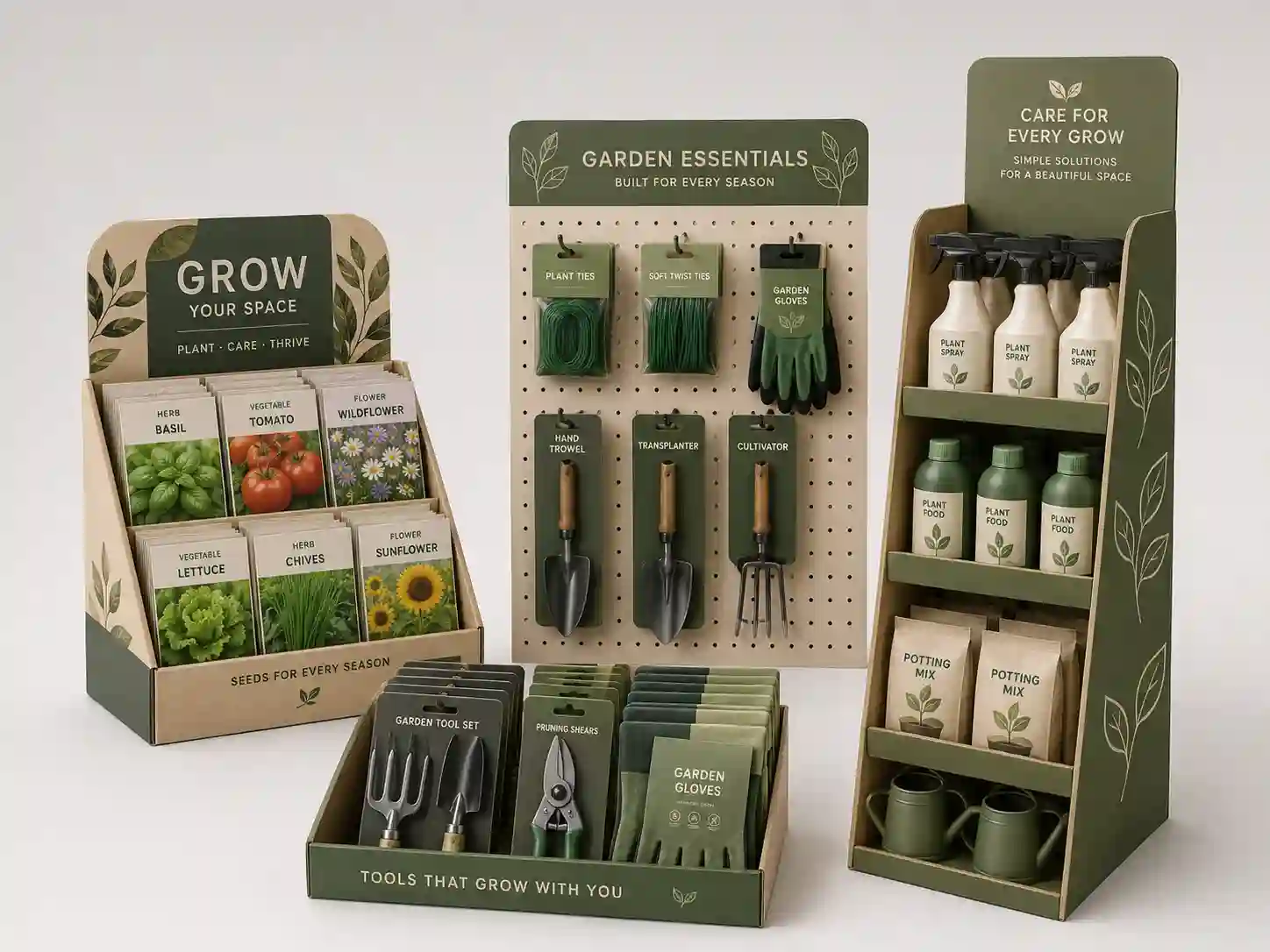
Best Display Choice by Product Category
Seed Packets and Small Garden Accessories
Use counter displays, PDQ trays, or small floor displays with compartments. The main goal is neat organization and easy product selection. Angled trays and dividers can help keep packets visible.
Gardening Gloves and Hanging Tools
Use peg displays or floor displays with hooks. Hook spacing, back panel strength, and product grouping are important. If the product range includes several sizes, the display should make size selection simple.
Plant Food, Sprays, and Bottled Products
Use reinforced floor displays or pallet displays. Weight planning is the key. Lower shelves should carry heavier items, and shelf support should be tested with real product weight.
Home Fragrance and Decorative Products
Use counter displays, PDQ displays, or premium floor displays. Print quality, finishing, and clean product presentation matter because these products often rely on visual appeal.
Cleaning and Home Maintenance Products
Use floor displays, sidekick displays, or shelf-ready PDQ trays. These products need clear grouping, fast refill, and practical shelf depth.
A Practical Buying Process for B2B Teams
Before requesting a quotation, buyers can prepare a few details. This makes the design and pricing process faster.
Useful information includes product size, product weight, SKU count, retail placement, target quantity, shipping destination, preferred packing method, and display reference photos.
A manufacturer can then recommend a structure, material, printing method, and packing plan. The first proposal does not need to be final. It should create a practical starting point for cost, strength, appearance, and assembly review.
For home and garden products, the best result usually comes from cooperation between the brand team, purchasing team, and display manufacturer. The brand team understands the market message. The purchasing team understands budget and delivery. The manufacturer understands structure, production, and packing.
When these details are aligned early, the display is easier to produce and easier to use in stores.
How Leader Display Supports Home and Garden Display Projects
Leader Display works as a B2B cardboard display manufacturer for buyers who need custom retail display solutions. For home and garden categories, we can support display structure planning, material selection, sample making, printing, die-cutting, assembly review, flat packing, and export packing.
The goal is not only to make the display look good in a photo. The goal is to make it practical for the product, stable in retail, clear for shoppers, efficient for store staff, and realistic for international shipment.
A strong cardboard display for home and garden products starts with the product details and ends with a display that can move through sampling, production, packing, delivery, and store setup with fewer problems.
For your next home and garden display project, prepare your product dimensions, weight, SKU count, target store placement, and packing needs. Then the display structure can be built around the way your products will sell.