A standee display can turn a simple retail floor space into a branded selling point, but not all products perform the same way on this structure. For B2B buyers, the best choice depends on product weight, package shape, refill needs, store traffic, and how much visual branding the campaign requires. The right product-display match can reduce assembly issues, protect goods in transit, and help retailers present stock with less effort.
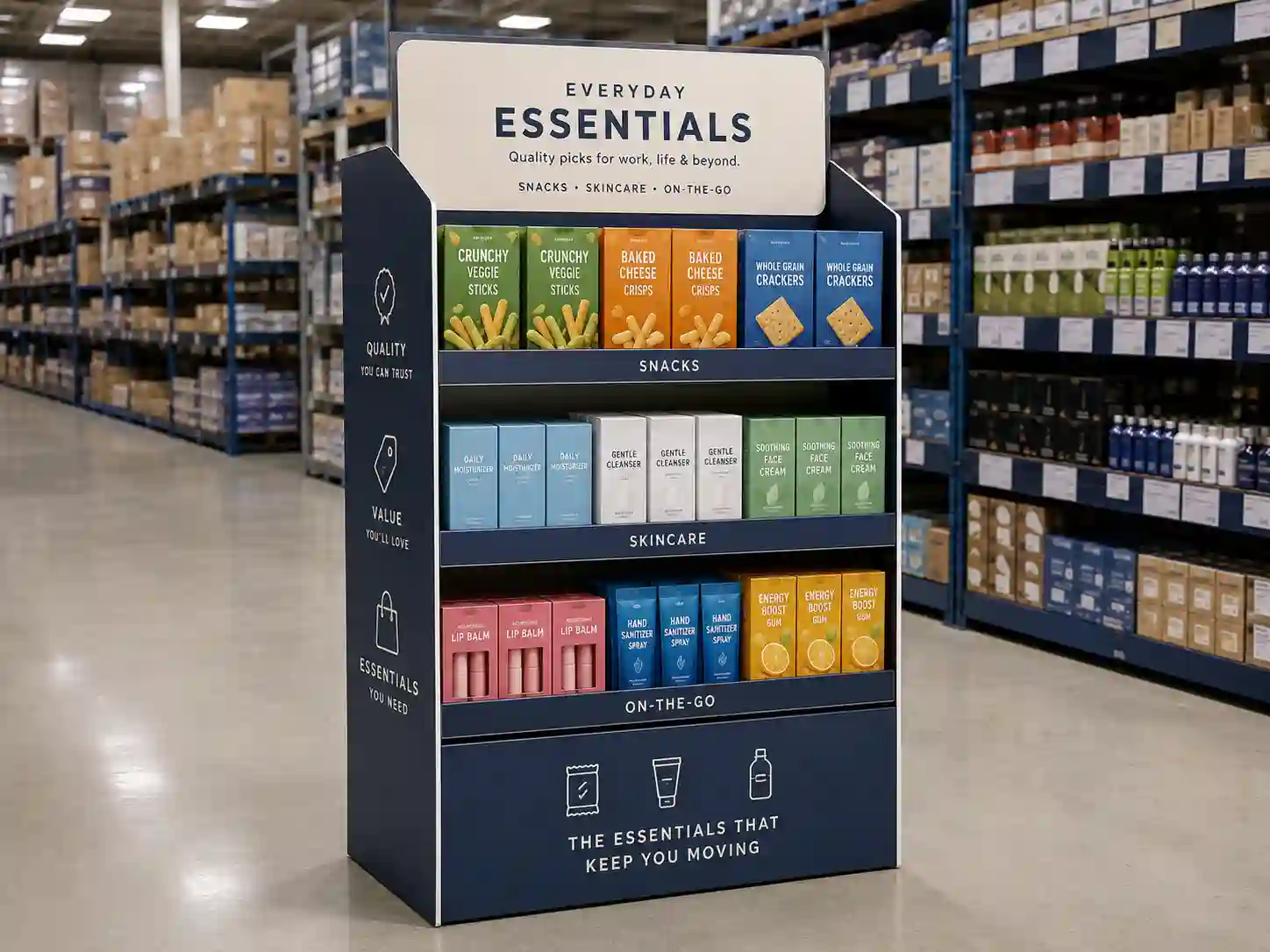
Why Product Type Matters for a Standee Display
A standee display is often used for promotional launches, seasonal campaigns, checkout zones, aisle ends, and temporary retail programs. Unlike a standard shelf, it must combine advertising space, product holding strength, and quick setup in one cardboard structure.
From a manufacturer’s perspective, the first question is not only “Will the product look good?” The better question is: “Can the structure hold the product safely from factory packing to store refill?”
A good standee display should balance four practical factors: product load, product visibility, display stability, and packing efficiency. If the product is too heavy, the display may need thicker corrugated board, internal support panels, stronger shelves, or a wider base. If the product is small and light, the display may need dividers, front lips, or stepped trays to stop items from falling forward.
For buyers comparing custom cardboard displays, product type should guide the structure before artwork begins. Printing can attract shoppers, but structure decides whether the display survives handling, shipment, and store use.
Best Product Categories for Standee Displays
A standee display works best for products that need strong visual communication and easy shopper access. It is especially useful when a brand wants more attention than a shelf label can provide.
1. Lightweight Packaged Consumer Goods
Small boxed products, sachets, pouches, blister packs, and carded items are strong candidates for a standee display. These products usually have predictable dimensions, moderate unit weight, and simple refill needs.
Examples include skincare sample boxes, small accessories, stationery items, batteries, tea packs, snacks, toy packs, and personal care products. These items allow the display to use tiered shelves, pockets, hooks, or trays without placing too much pressure on the board structure.
For this category, the key detail is product facing. If the front of the product package carries the main selling message, the display should hold items upright with a clean front view. If the product is slim or flexible, the structure may need dividers or pocket-style compartments to keep rows neat after shoppers touch the stock.
2. Seasonal Promotional Products
Holiday gift items, limited-edition packs, back-to-school products, and launch campaign products often work well on a standee display. These campaigns need visual impact for a short retail period.
The benefit is speed. A brand can create one display concept, flat pack it, ship it with products or separately, and let retailers install it during the promotion window. This makes standee displays practical for Christmas, Halloween, Valentine’s Day, summer beverage campaigns, and new product launches.
Seasonal displays often need large header cards, side panels, and clear campaign messaging. The display should be easy to assemble because store teams may install many units across different locations.
3. Beauty, Skincare, and Personal Care Items
Beauty and personal care products often benefit from vertical presentation. A standee display can combine product shelves with strong brand graphics, making it suitable for facial masks, hand creams, lip balm, small fragrance boxes, hair care mini packs, and cosmetic gift sets.
The structure should match the package format. Small rigid boxes may work well on stepped shelves. Pouches may need tray compartments. Bottles require stronger shelves, anti-slip details, and enough depth to prevent tipping.
For premium beauty campaigns, finishing details can matter. Matte lamination, spot UV, foil stamping, and clean die-cut edges can improve shelf appearance. At the same time, the board grade and internal support must remain practical. A beautiful display that bends during shipping creates extra cost for the buyer.
4. Food and Snack Products
Snack bags, candy boxes, nutrition bars, cookies, tea packs, coffee sachets, and dried food packs can perform well on a standee display when the product weight is controlled. Food brands often use these displays for impulse buying zones, checkout areas, and promotional aisles.
For food products, refill design matters. Retailers prefer displays that allow quick restocking without rebuilding the structure. Front lips, side guards, and shelf angles help keep products visible as stock levels change.
Food packaging also brings compliance expectations. Buyers may ask about paper material, printing safety, and supply chain documentation. When relevant, FSC-certified paper options and ISO-style quality management references can support procurement discussions. For corrugated structure language and carton style communication, FEFCO-style terminology can also help align expectations between buyers, designers, and factories.
5. Small Electronics and Accessories
Phone accessories, charging cables, earbuds, screen protectors, batteries, and small tech gadgets can work on a standee display, especially when sold in boxes, blister cards, or hanging packs.
The main issue is security and neatness. Small electronics often need peg hooks, locking tabs, reinforced hanging areas, or shelf dividers. If the product has higher unit value, the display may need to work near staffed retail zones rather than open floor areas.
For this category, sample testing is important. The factory should test loaded weight, peg strength, product angle, and how the display behaves after repeated removal and refill.
Product Fit Comparison Table
The table below gives a practical view of which product types usually match a standee display and what buyers should check before production.
| Product Type | Fit Level | Recommended Structure | Main Risk to Check |
|---|---|---|---|
| Small boxed skincare | High | Tiered shelves with dividers | Shelf bending and row neatness |
| Snack bags | High | Tray shelves with front lips | Falling forward after partial refill |
| Gift sets | Medium | Reinforced shelves or base tray | Product weight and center balance |
| Bottled items | Medium | Strong shelves with side guards | Tipping, leakage risk, shelf load |
| Hanging accessories | High | Peg board panel with hooks | Hook tear strength and spacing |
| Heavy glass products | Low to Medium | Reinforced floor display style | Board compression and transport damage |
| Flat sample packs | High | Pocket or stepped compartment design | Poor visibility if pockets are too deep |
This kind of comparison helps buyers avoid one common mistake: choosing a display shape based only on photos. A standee display should be engineered around the real product, not only the brand artwork.
Weight, Size, and Shape: The Three Main Checks
Product Weight
Weight affects board selection, flute type, shelf structure, glue area, and export packing. A lightweight product may only need E-flute or B-flute corrugated board, depending on size and campaign length. Heavier products may need double-wall corrugated board, laminated greyboard, internal braces, or a stronger base.
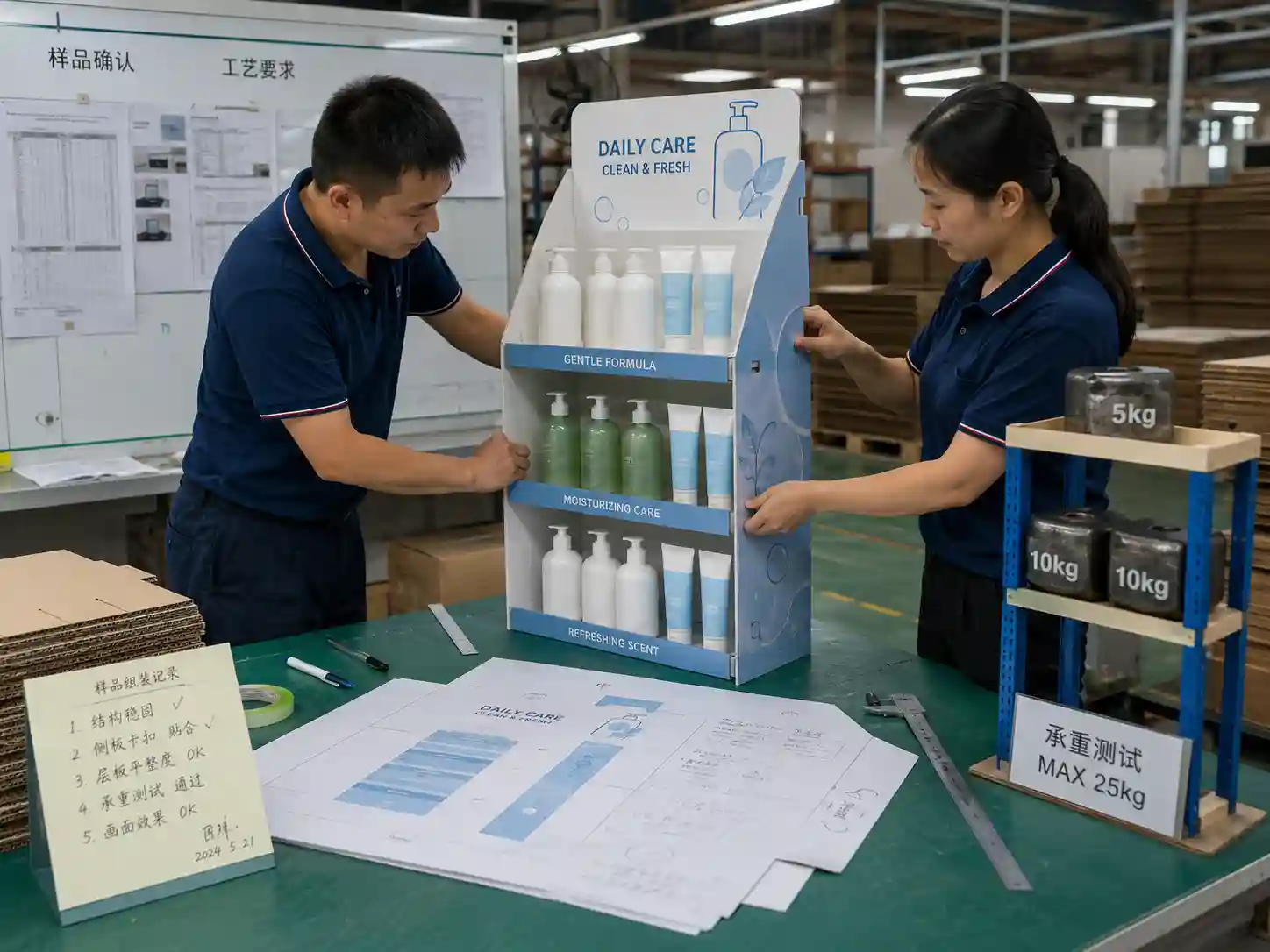
The display should be tested with the full product load, not one or two sample units. A shelf that looks stable with a few products may bend when fully stocked for several days.
Product Size
Product size decides shelf depth, display width, row count, and carton packing method. A standee display for narrow boxes may need more rows and dividers. A display for larger gift boxes may need fewer shelves and a wider footprint.
Buyers should send accurate product dimensions early: length, width, height, and unit weight. If the product has an irregular shape, photos and physical samples are even more helpful.
Product Shape
Shape affects how shoppers remove and return the product. Tall bottles can tip. Soft pouches can slump. Round containers can roll. Thin blister packs can twist if the peg hole position is weak.
For this reason, a practical manufacturer often checks product contact points. The display should support the product at the base, sides, or hanging area without hiding too much of the packaging.
Retail Placement Changes the Display Design
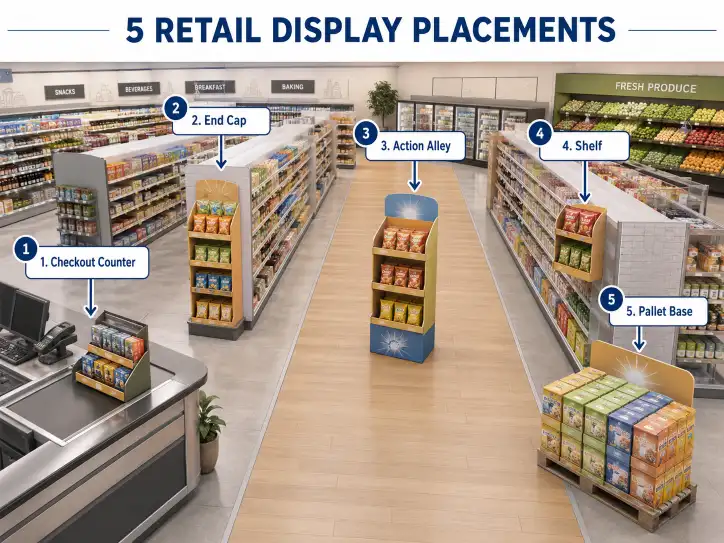
A standee display used near a checkout counter has different needs from one placed at an aisle end. High-traffic areas require stronger stability and clean product access. Low-traffic promotional corners can allow larger graphics and more dramatic shapes.
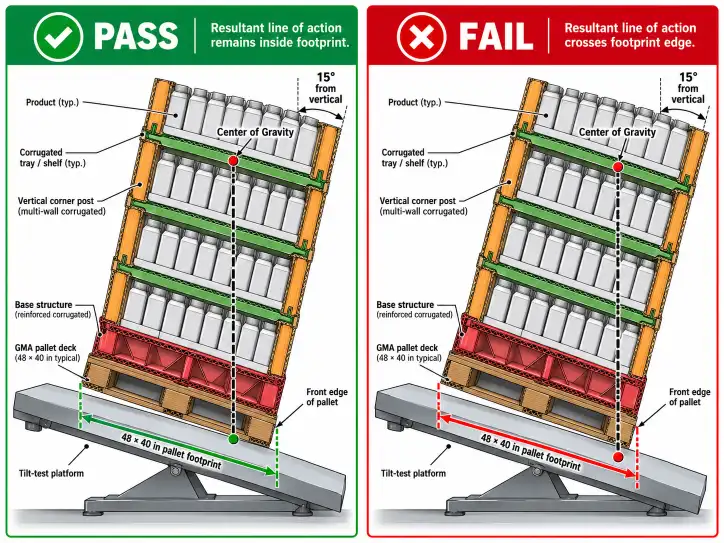
For floor placement, base width and center of gravity matter. A tall display loaded with products at the top may need a wider base or lower heavy items. For shelf-side placement, the display must fit store space and avoid blocking nearby products.
When buyers plan a campaign, they should share target retail conditions with the factory. Is the display for supermarkets, pharmacies, convenience stores, club stores, trade shows, or pop-up events? That answer affects height, loading direction, packing method, and assembly steps.
Leader Display often approaches cardboard display projects by matching retail placement with product behavior. A display should help store staff, not create extra work during busy hours.
When a Standee Display May Not Be the Best Option
Some products are possible but not ideal. Heavy glass bottles, large liquid containers, ceramic products, metal tools, and bulky electronics may need a stronger floor display, pallet display, wood-supported display, or semi-permanent fixture.
This does not mean cardboard cannot work. It means the structure needs more engineering. The display may require reinforced shelves, thicker corrugated board, stronger adhesive, edge protection, and strict loading tests.
A standee display is also not the best choice when products need locked security, refrigeration, moisture resistance, or long-term outdoor use. In those cases, the buyer should consider the full retail environment before choosing paper-based display packaging.
Sampling Before Mass Production
Sampling is the stage where many risks become visible. A proper sample should test size fit, assembly logic, printed appearance, product loading, shelf strength, and flat packing.
For a standee display, the sample review should include several simple checks:
- Can one person assemble it without special tools?
- Do shelves stay level after full loading?
- Are product rows easy to refill?
- Does the header remain upright after transport?
- Does the display fit into the planned master carton?
- Are carton marks clear for export handling?
A white sample can confirm structure before printing. A printed sample can confirm color, finishing, dieline position, and visual balance. For urgent campaigns, buyers may approve structure first, then move artwork confirmation in parallel.
Material Choice for Different Products
Material should follow the product and retail plan. For small lightweight goods, single-wall corrugated board with printed paper lamination may be enough. For heavier products, double-wall corrugated board, reinforced inserts, or load-bearing side panels can improve strength.
The printing surface also matters. A display used for premium beauty or gift products may need smoother paper, cleaner color control, and special finishing. A display used for snacks or daily goods may focus more on cost efficiency, quick assembly, and strong shelf function.
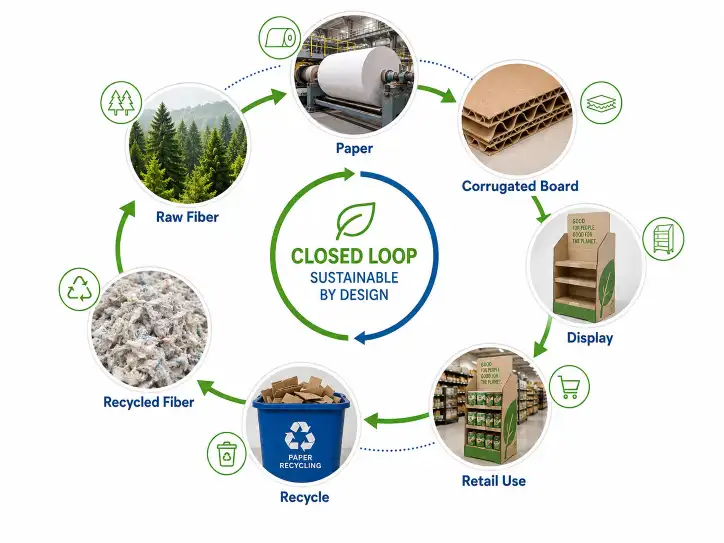
Sustainability can also influence material choice. Many B2B buyers ask whether paper materials can support FSC-related sourcing requirements or whether the factory can provide documentation aligned with their procurement process. The best approach is to confirm these needs before sampling, not after mass production begins.
For broader project planning, buyers can start from Leader Display’s custom display solutions and choose a structure based on product load, campaign length, and retail environment.
Flat Packing and Export Packing
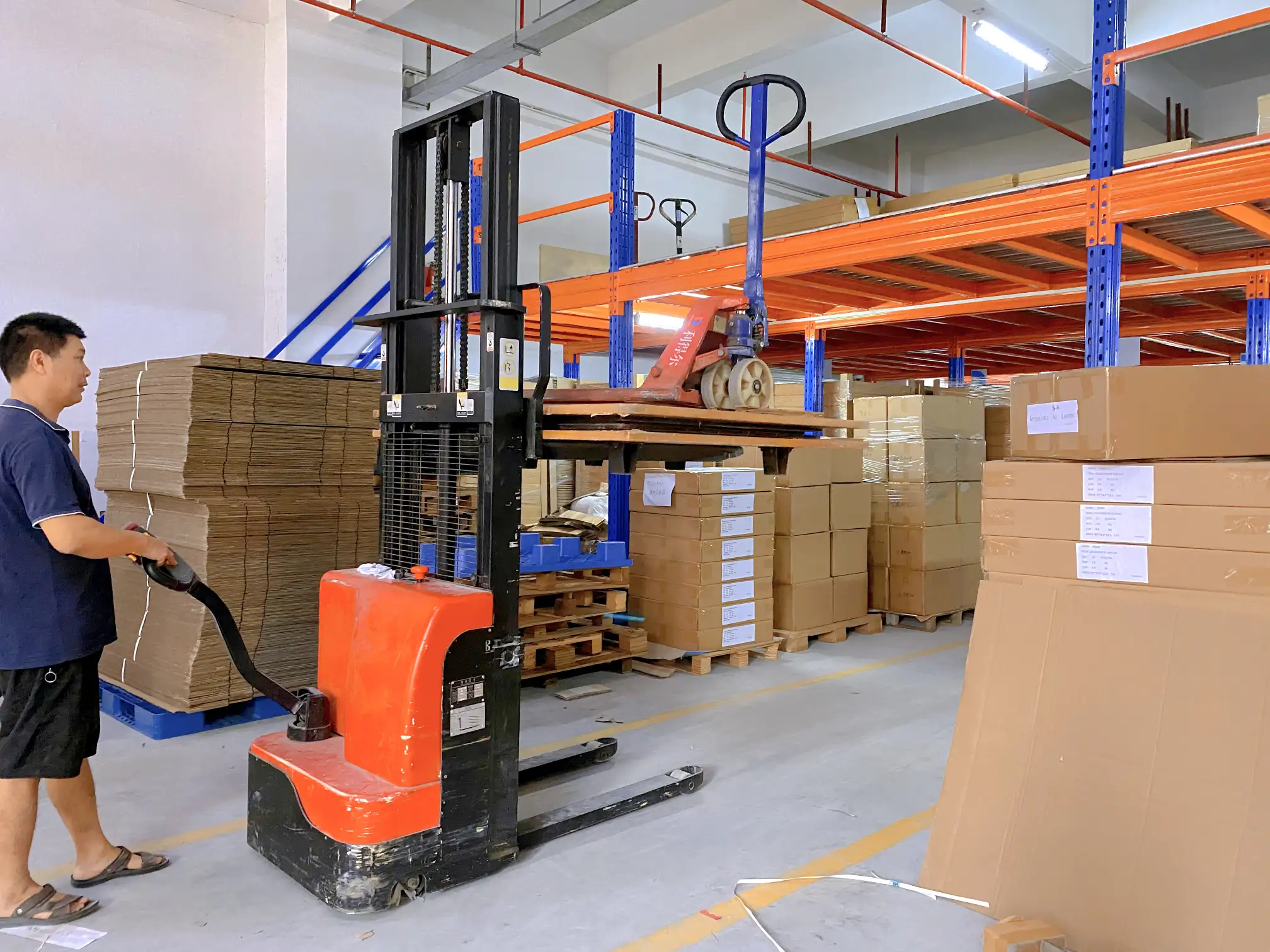
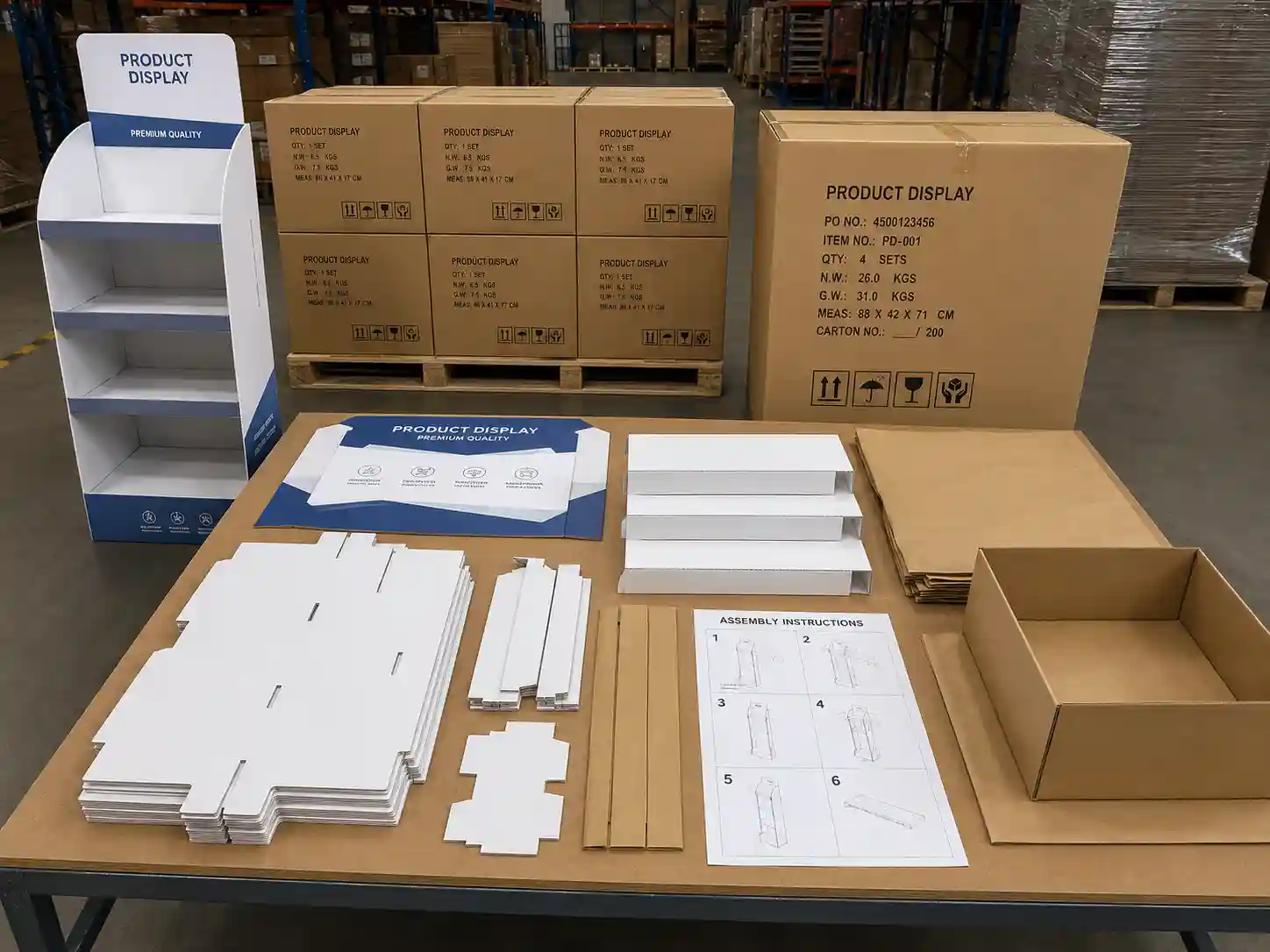
A standee display must look good in store, but it also needs to survive international shipping. Flat packing reduces freight volume, lowers storage pressure, and makes distribution easier for B2B programs.
The packing plan should define how many display sets fit into one master carton, whether shelves are pre-glued, whether headers are packed separately, and how to protect printed surfaces. For export shipments, corner protection, inner cartons, carton marks, and assembly instructions can reduce damage and confusion.
If the display ships with products loaded, the structure needs stronger protection. If it ships empty for retailer setup, the packaging should keep parts organized so store teams can build the display without sorting through loose components.
Refill Design for Store Teams
A good standee display should remain neat after the first shopper interaction. That means the structure must support partial refill and product removal.
Refill-friendly features include front lips, side walls, shelf dividers, product stoppers, angled shelves, and clear row spacing. For peg displays, hook spacing should allow easy removal without tearing the back panel. For pocket displays, the pocket depth should hold products securely without hiding the front artwork.
Retail teams appreciate displays that are simple to restock. Buyers benefit because better refill design can extend the selling period and protect brand presentation.
How to Choose the Right Product for a Standee Display Project
The best products for a standee display usually share several traits: moderate weight, clear front-facing packaging, easy handling, strong promotional value, and stable dimensions. Products that need impulse attention, seasonal visibility, or launch storytelling often gain the most value from this format.
Before starting artwork, buyers should prepare a clear brief. Include product dimensions, unit weight, quantity per display, retail placement, campaign duration, target market, preferred packing method, and any FSC, ISO, or retailer documentation requirements.
A practical factory can then suggest board grade, shelf structure, display height, packing style, and sample steps. This prevents guesswork and reduces revisions.
For buyers planning a new retail program, Leader Display can review product samples, recommend a suitable cardboard structure, and prepare a display concept that fits production, packing, and store use. Send the product details, target quantity, and retail placement plan, and the next step can move from idea to workable sample.