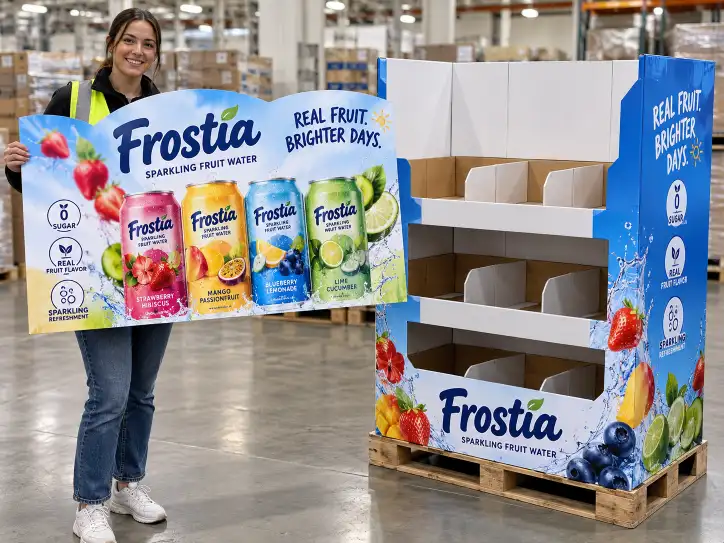
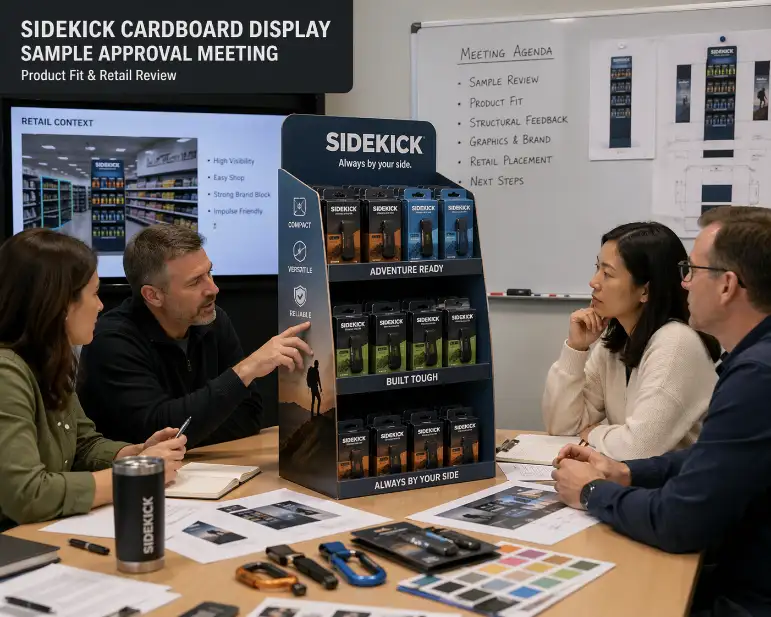
A sidekick display sample can look fine in a meeting and still fail in a store. That happens when buyers approve shape instead of performance. Look closer.
This guide shows what a sidekick display sample must prove before mass production starts. The goal is simple: check the parts that decide retail success, not only the parts that look good in photos. That matters.
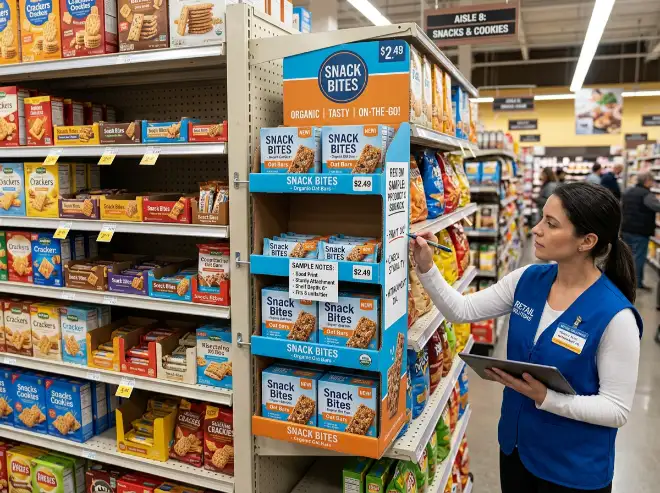
Why a Sidekick Display Sample Can Mislead Buyers
A sidekick display sample often looks strongest on day one. Every product is lined up. Every hook looks straight. The graphics are fresh. Then real store use begins. Products sell through unevenly. Staff refill fast. Some packs twist. Others slide. The display starts to lose order.
That is the risk. A sample can look clean without proving much. Buyers should treat the sample as a test unit, not a presentation unit. Test it.
If you want the wider product context first, review our cardboard display category and our article on what products work best on a sidekick display. Those pages help frame the decision before the sample review begins.
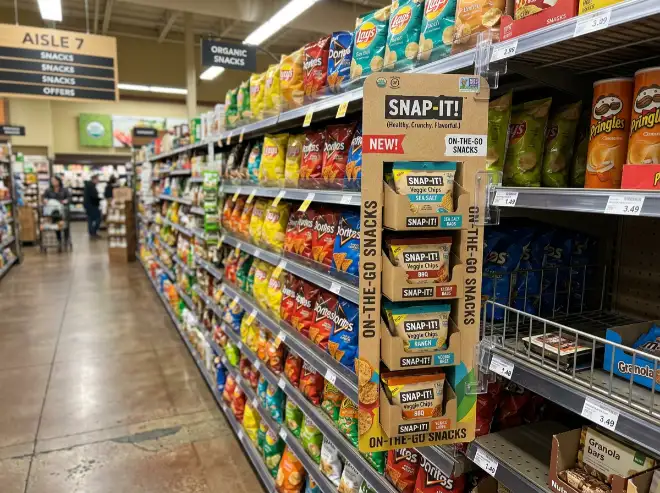
Check 1: Does the Sidekick Display Sample Match the Real Product Range?
The first check is not visual polish. It is product fit. A sidekick display sample should be tested with the real packs, or at least with packs that match the real dimensions, weight, and hanging behavior. If the sample is loaded with placeholders, the review is weaker from the start.
That changes everything. Small differences in pack width, hanging hole position, and pack depth can change how the display looks once the real goods are loaded. One hook may hold well with a sample card but fail once the final pack is used. One shelf lane may look tidy in a mock setup and crowded in the actual rollout.
Buyers should also check whether the chosen SKU mix makes sense in the narrow sidekick format. A sidekick display sample that already looks crowded at the sample stage will not look better after mass production. It will look worse. Keep that in mind.
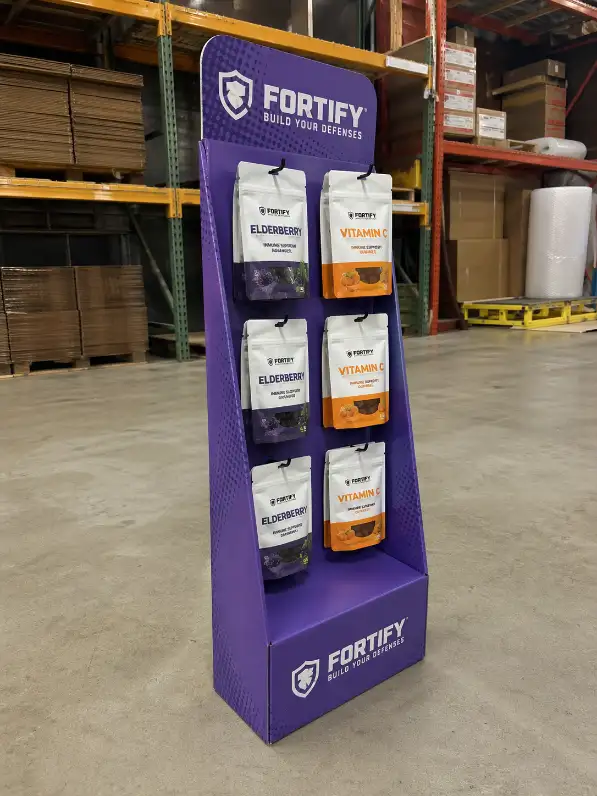
Check 2: Does the Hook or Shelf Layout Stay Clear From Shopper Distance?
A sidekick display sample should not be reviewed only from arm’s length. That is a mistake. The more useful view is shopper distance. Step back. Look from the aisle. Ask whether the product families still read clearly in a few seconds.
This is where poor spacing shows up fast. Hooks that sit too close together create overlap. Shelves that are too narrow make the packs look squeezed. Shelves that are too wide create empty gaps that break the visual block. The shopper will not study the display in detail. The shopper will scan it. Quickly.
If the sidekick display sample already feels busy from a few steps away, the layout needs work. Not later. Now.
For related assortment planning, read our SKU planning guide. It helps you judge whether the problem is the structure, the assortment, or both.
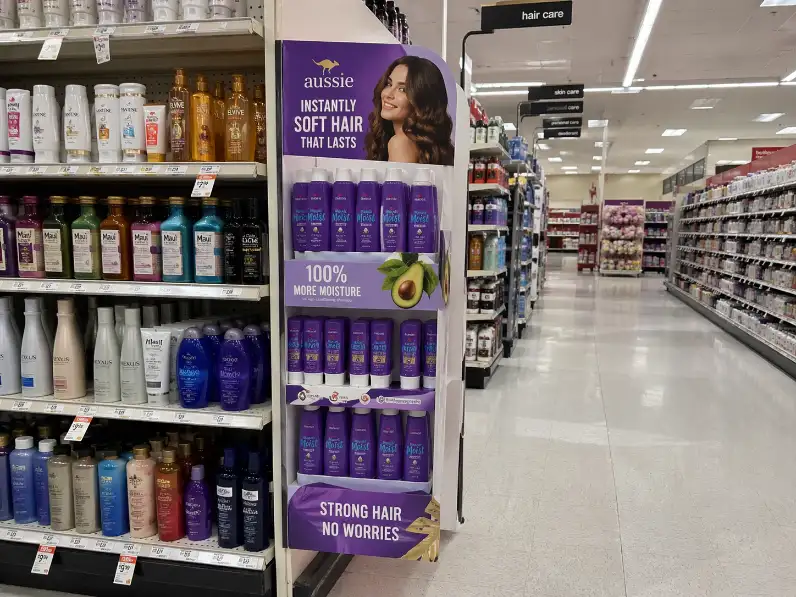
Check 3: Can the Sidekick Display Sample Survive Partial Sell-Through?
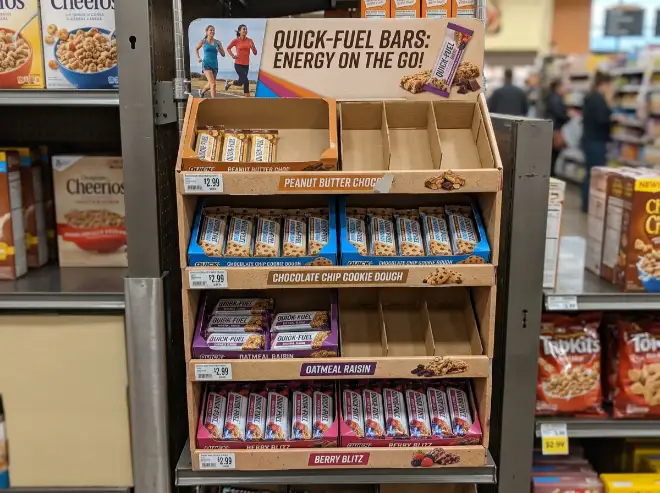
A full display is the easy version. Real stores are not full for long. Buyers should remove products from the sample and watch what happens next. Does the unit still look balanced? Does the remaining assortment still make sense? Do empty spots appear in a way that damages the visual message?
This is the turning point. Many displays look strong only when fully loaded. Once ten or fifteen packs are removed, the layout starts to fall apart. One side becomes empty first. One hook row starts to dominate. The display looks half-finished even though there is still stock on it.
A good sidekick display sample should still look sellable after partial sell-through. That is one of the clearest signs that the product grouping, capacity, and visual rhythm are working together. If that effect breaks too quickly, the sample has already told you something important.
Check 4: Is the Structure Stable During Setup and Refill?
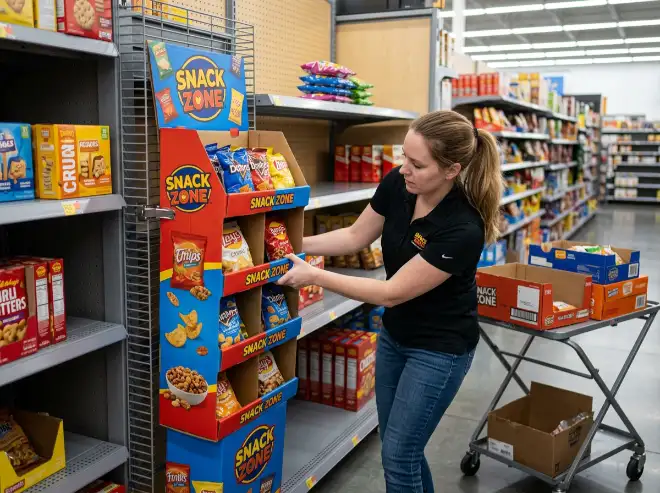
Some displays are stable only after they are fully loaded and carefully placed. That is not enough. A good sample should also feel stable during setup and during refill. Store staff will touch it, load it, and restore it in a hurry. The sidekick display sample should reflect that reality.
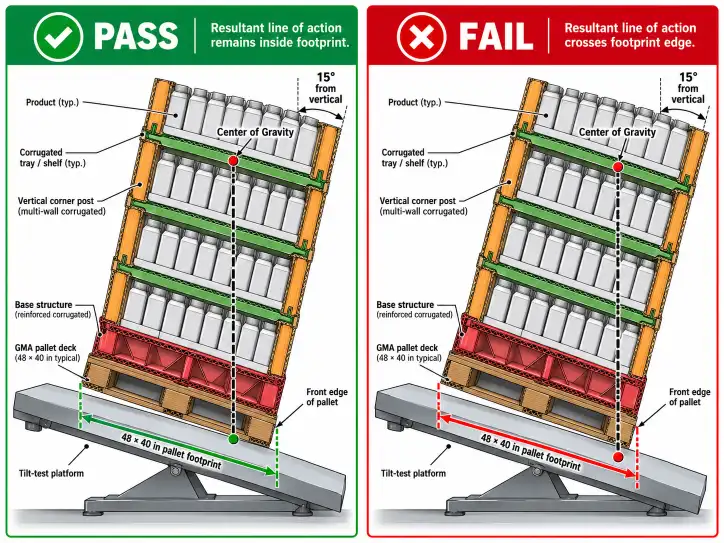
Check the base. Check the hanging points. Check how the unit behaves when only one side is loaded first. Check whether the attachment to the main shelf feels secure. If the display tilts, sags, or twists during handling, store execution becomes harder. Fast.
This is where corrugated choice also matters. A poor material assumption can make a sample look acceptable on the table but weaker in real movement. If you need a better read on structure and board choice, our corrugated grades guide is the right support page.
Check 5: Can Store Staff Restore the Layout Without Guessing?
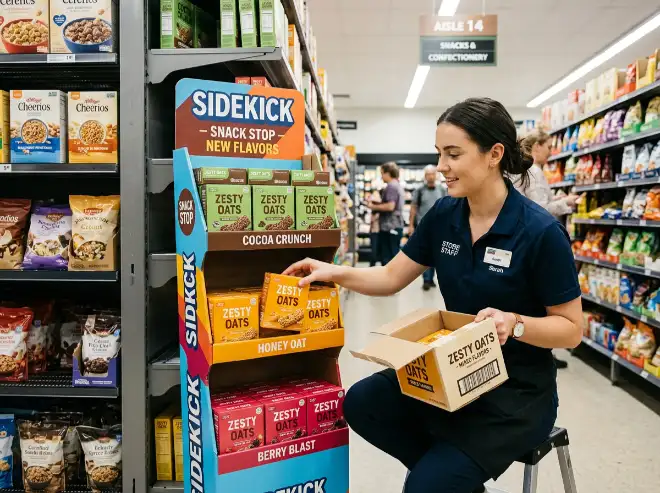
The last check is simple and important. Can store staff refill the sidekick display sample without guessing where the products go back? If the answer is no, the design will lose order quickly after launch.
This is not a small issue. A sidekick display works in a narrow space, often beside a main category. It needs clear logic. One flavor here. One function there. One size in one row. If the grouping rule is weak, staff will refill the unit in a way that feels convenient at the moment, not in a way that protects the display.
A good sample makes the refill pattern obvious. That saves labor. It also protects the front-facing look that helps the display sell. If you want to review the broader sample stage, see our display sample approval guide.
How to Compare Two Sidekick Display Samples Side by Side
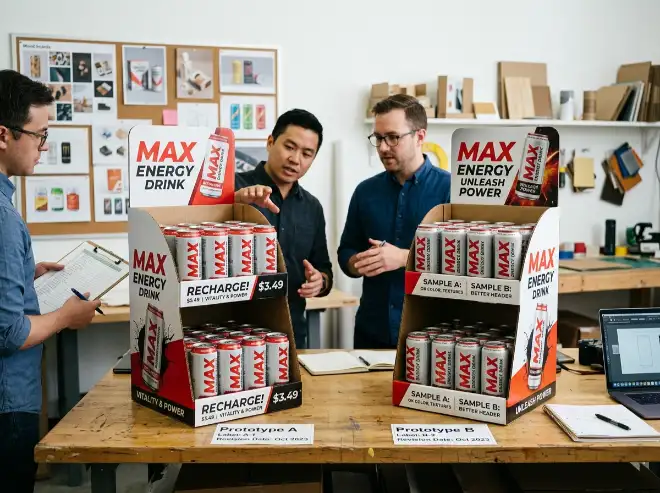
If you are comparing two sidekick display samples from different suppliers, do not start with graphics. Start with what the unit proves. Load the same products. Stand the samples in similar conditions. Step back to shopper distance. Remove products. Refill them. Move them. Then compare.
That sequence matters. One sample may look cleaner in a photo but perform worse after partial sell-through. Another sample may have simpler graphics but better stability, clearer spacing, and faster refill logic. The stronger sample is the one that survives real use with less effort. That is the one to trust.
| Comparison Point | What the Better Sample Should Show | What Should Make Buyers Careful |
|---|---|---|
| Real product fit | Packs sit or hang cleanly with no forced spacing | Placeholder packs or awkward fit |
| Shopper-distance clarity | Product families read fast from the aisle | Visual clutter from a short distance |
| Partial sell-through | The unit still looks balanced | One area empties too fast and looks broken |
| Setup and refill stability | Structure stays straight during handling | Twist, sag, or weak attachment points |
| Refill logic | Staff can restore the layout quickly | Grouping is unclear and easy to mix up |
What Buyers Should Never Approve Too Quickly
Do not approve a sidekick display sample because the render looked close enough. Do not approve it because the supplier says the final version will be better. Do not approve it because the graphic color feels acceptable. Those are weak reasons.
Approve the sample because it proves the display can carry the real products, keep a clear layout, survive sell-through, and return to order during refill. That is a solid decision. That is the right moment to move forward.
Retail-ready corrugated guidance also keeps coming back to the same practical ideas: easy identification, easy shelf placement, easy shopper access, and easy replenishment. Those are useful checks for any sidekick display sample review. See FEFCO Shelf Ready Packaging. For broader corrugated display background, see the Fibre Box Association overview of corrugated.
Why This Sidekick Display Sample Review Should Happen Before Price Becomes the Only Topic
Some buyers compare suppliers too early on price. That is risky. If the sidekick display sample has not been tested hard enough, the low price may be attached to the weaker solution. Once rollout begins, the hidden cost appears in store labor, refill problems, poor presentation, and weaker sales performance.
Review the sample first. Then talk price. That order protects the project.
Conclusion
A strong sidekick display sample does not only show shape. It proves fit, spacing, stability, sell-through behavior, and refill logic under real store conditions. Before you approve mass production, test the sample the way stores will use it. Load it, step back, remove products, refill it, and compare it against the real retail job. Then move.
For help reviewing a sidekick display sample before production, please contact us.
FAQ
What is the most important thing to check in a sidekick display sample?
The most important check is whether the real products fit and stay visually clear under realistic store conditions.
Should buyers test partial sell-through on a sidekick display sample?
Yes. A sidekick display sample should still look balanced and shoppable after some products are removed.
Why is shopper-distance viewing important?
Because shoppers scan the display from the aisle first, not from close range.
Can a sidekick display sample look good and still fail later?
Yes. It may look clean when fully loaded but break down after refill or uneven sell-through.
Why should refill logic be tested in the sample stage?
Because unclear grouping creates disorder quickly once store staff begin restocking the unit.
Should price be compared before sample performance?
No. Sample performance should be reviewed first so buyers do not choose a weaker unit only because the quote looks lower.