Planning a product launch is stressful. You have a deadline, and every component needs to arrive on time. The packaging is often the last piece of the puzzle, but it can cause the biggest delays.
Generally, you can expect a turnaround time of 3 to 6 weeks for custom printed rigid boxes. This timeline starts from when you approve the final design proof to when the boxes are delivered to your door. However, this can vary based on your project's complexity, the quantity you order, and your manufacturer's schedule.
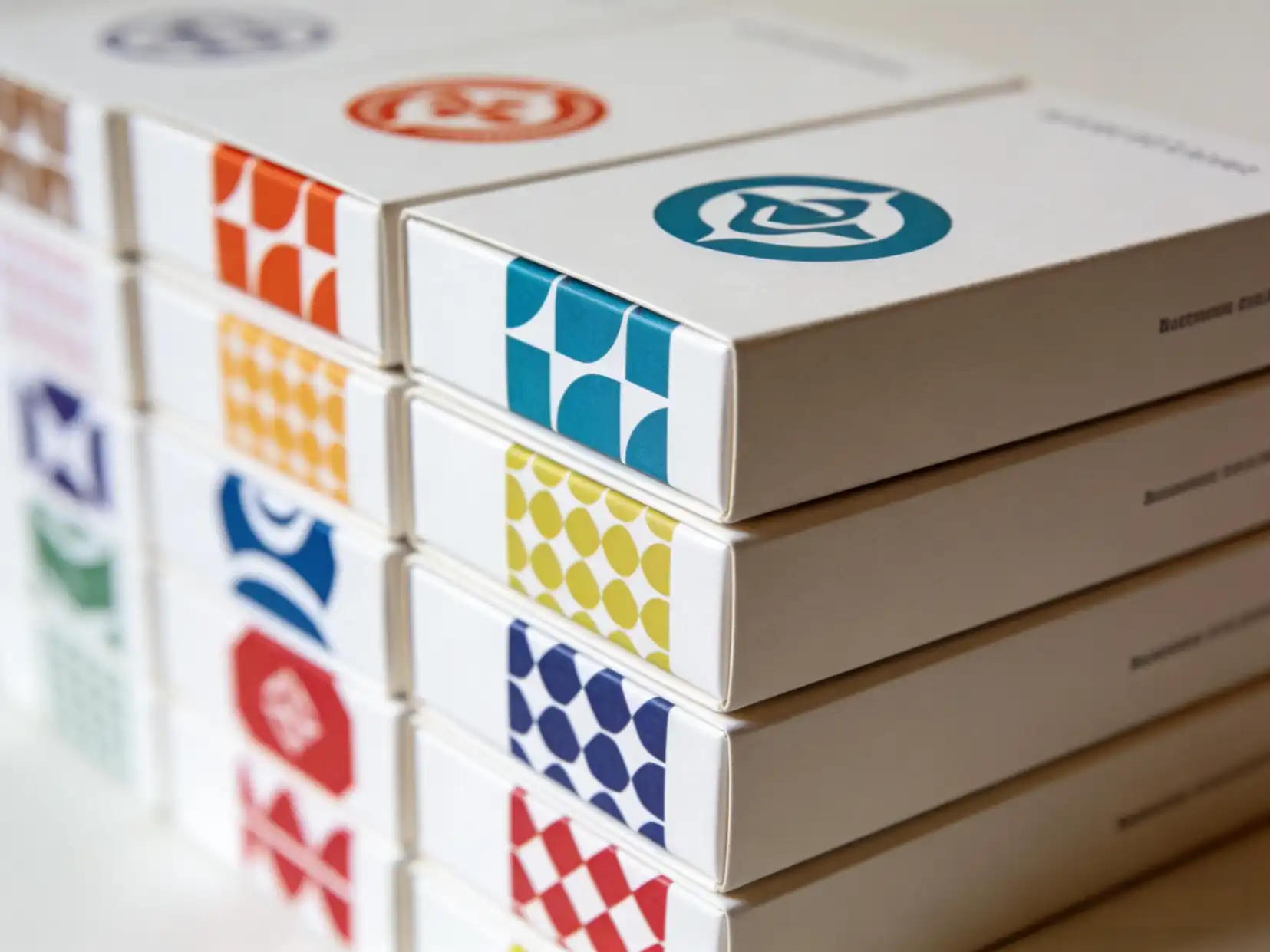
Getting your packaging right is crucial, but waiting for it can feel like forever, especially when a launch date is looming. Delays in packaging can throw your entire marketing calendar and supply chain into chaos. I’ve seen it happen many times over my 16 years in this industry. A client plans a huge holiday promotion, but their custom boxes get stuck in production, and they miss the window. It’s a painful and costly mistake. But it doesn't have to be this way. Understanding the timeline is the first step to mastering your launch.
What Factors Influence the Production Timeline?
Worried that your box design is too complex? You might be wondering if your choice of materials or finishes will push back your delivery date, making you anxious about meeting your deadlines.
Several key factors determine your project's timeline. The quantity of your order, the complexity of the box structure, the printing methods, and special finishes all play a significant role. Even the time of year can affect production speeds.
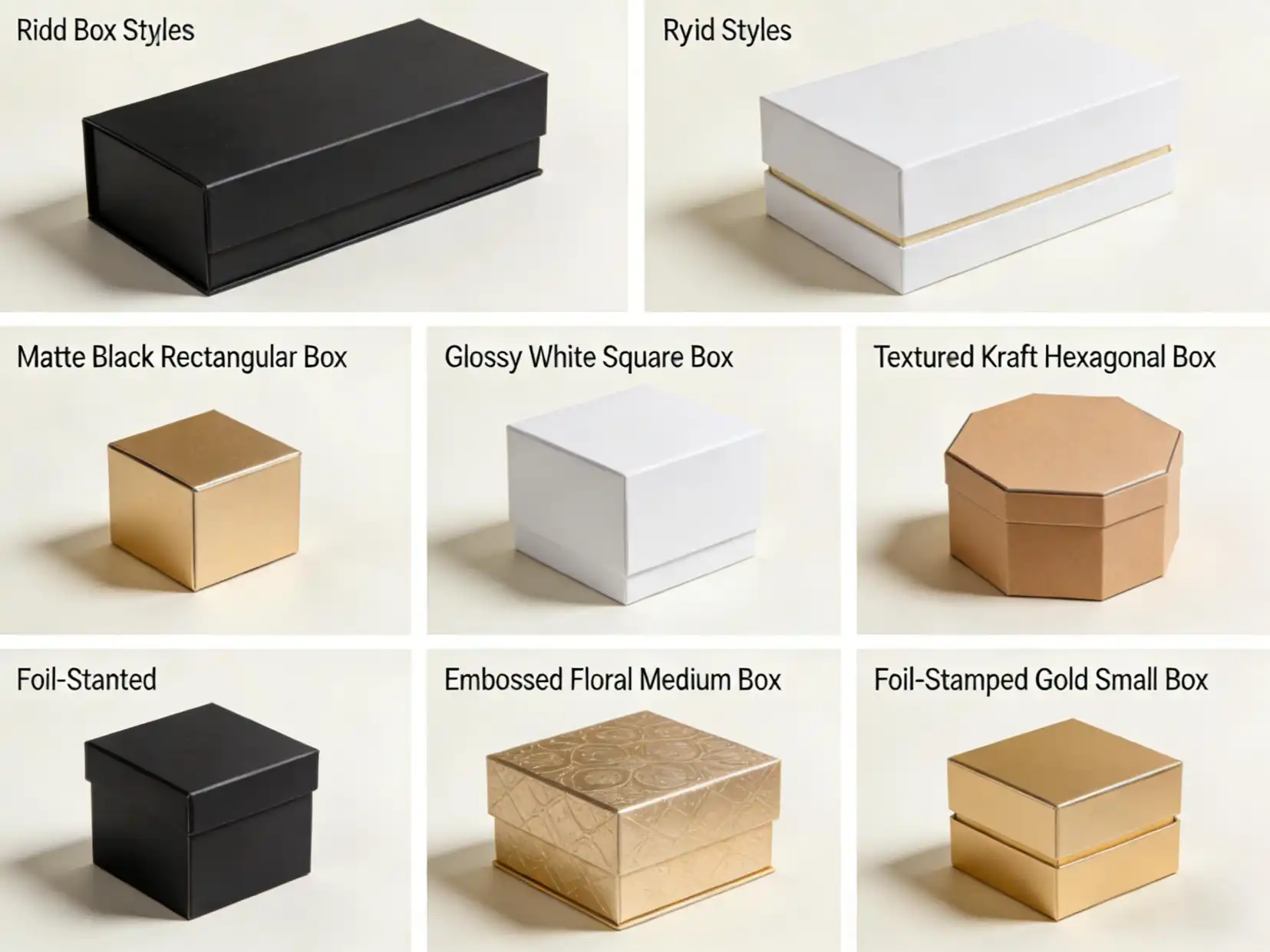
In my experience, the biggest surprises for clients come from underestimating how these small details add up. A simple change, like adding a magnetic closure or a foil stamp, isn't just a design choice; it's a new step in the production line. Each step adds time. I always advise clients to discuss these factors with us upfront. A good manufacturer can give you a clear and realistic timeline based on your specific needs. It's all about balancing your vision with the practical realities of manufacturing. To help you plan better, I've broken down the main variables that can impact how long it takes to produce your custom rigid boxes. Understanding these elements will help you set realistic expectations and avoid last-minute surprises.
| Factor | Impact on Timeline | My Advice |
|---|---|---|
| Order Quantity | Larger orders take more time to produce, but the cost-per-unit often decreases. Small orders might have quicker production but may not be as cost-effective. | Plan your order size carefully. If you're testing a new product, a smaller run is fine, but factor in a potentially longer lead time for a larger reorder. |
| Box Complexity | Intricate designs, custom shapes (not a standard rectangular box), and multiple components (like inserts or platforms) require more setup and assembly time. | For your first order, consider a simpler, standard structure to test the waters. You can always add complexity later once you're familiar with the process. |
| Printing & Finishes | Standard CMYK printing is relatively fast. However, special finishes like spot UV, foil stamping, embossing, or custom Pantone colors require separate machines and processes, adding days to the schedule. | These finishes look amazing, but be selective. If speed is your top priority, stick to one or two key embellishments rather than using them all. |
| Proofing Process | The time it takes for you to approve digital and physical proofs is entirely in your control. Delays in approval directly delay the start of mass production. | Be prepared to give feedback quickly. Designate one person on your team to be the final decision-maker to avoid back-and-forth communication delays. |
| Time of Year | Production times can increase during peak seasons, such as before major holidays (like Christmas) or cultural events (like Chinese New Year), as factories are much busier. | Plan ahead! If you know you need packaging for a holiday release, start the process at least 2-3 months in advance to secure your production slot. |
What Does the Typical Production Process Look Like?
You've submitted your design, so what happens next? Many clients feel like they're in the dark during production, unsure of what stage their project is in or what the next step involves.
The journey from a design file to a finished rigid box involves several distinct stages. It begins with a consultation and quote, moves to design proofing and sampling, then to mass production, and finally ends with shipping.

I believe in transparency, which is why I like to walk my clients through the entire production journey. There are no secret backrooms or mysterious processes. It's a series of methodical, quality-controlled steps that ensure the final product is perfect. When you understand the path your box takes, you feel more in control and confident in the outcome. It turns a process that can seem complicated into a clear, manageable sequence. Think of it as a roadmap; once you know the route, the journey is much less stressful. Let's look at the typical stages and the time each one takes.
Step 1: Consultation & Quoting (1-2 Business Days)
This is where it all starts. You send us your project specifications: box dimensions, quantity, material, and design ideas. My team and I review the details to ensure we have everything needed. We might ask a few clarifying questions to make sure our quote is accurate. We then provide a detailed quote outlining the costs and a preliminary timeline.
Step 2: Design & Dieline Creation (2-3 Business Days)
Once you approve the quote, our structural designers get to work. We create a digital dieline, which is the flat template for your box. This template ensures that when the box is cut and folded, it assembles perfectly. We send this dieline to you or your designer to place your artwork on it. This step is critical for ensuring the final print is aligned correctly.
Step 3: Prototyping & Sampling (5-7 Business Days)
Seeing is believing. Before we produce thousands of boxes, we create a physical sample for your approval. This can be a blank "white sample" to check the structure or a fully printed prototype to see the final colors and finishes. This step is your chance to touch and feel the box and request any changes. While it adds time, it prevents costly mistakes in mass production.
Step 4: Mass Production (10-15 Business Days)
After you approve the sample, we move to mass production. This is the longest phase. It involves printing the large sheets, applying any finishes (like lamination or foil), cutting the box shapes from the sheets, and then carefully assembling each box. Rigid boxes often require more hand-assembly than other packaging types, which contributes to the longer timeline but also their premium feel.
Step 5: Shipping & Delivery (5-15 Business Days)
The final step is getting the boxes to you. The time this takes depends heavily on your location and the shipping method chosen. Standard sea freight is the most economical but can take several weeks. Air freight is much faster, often taking a week or less, but it comes at a significantly higher cost. We always provide tracking so you can see where your shipment is.
How Can You Speed Up Your Rigid Box Order?
You're on a tight deadline. Is there anything you can do to get your boxes faster? The thought of a production delay is stressful, especially when a product launch or a key retail deadline is at stake.
Yes, you can influence the timeline. By being prepared with your design files, responding quickly to proofs, and making smart choices about materials and finishes, you can shave valuable days or even weeks off your order.
Over the years, I've worked with clients on incredibly tight schedules. The ones who get their boxes fastest are always the ones who come prepared. They treat the process like a partnership. They understand that their speed in making decisions directly impacts our speed in production. It’s not about rushing the important steps, but about eliminating the "dead time"—the days spent waiting for an email response or a design revision. A few proactive measures can make a world of difference and help you avoid the stress of last-minute scrambles. Here are the most effective strategies I’ve seen work time and time again.
1. Be Prepared with Your Design:
Have your artwork ready to go before you even request a quote. This means high-resolution logos, final text, and a clear idea of your color scheme (preferably with Pantone codes). When our team sends you the dieline, your designer should be able to place the artwork quickly. Delays in finalizing the design are the most common reason for production to stall before it even starts.
2. Approve Proofs Quickly:
Once you receive a digital proof or a physical sample, review it immediately. As I mentioned before, the factory won't start mass production until you give the green light. The longer you take to approve, the longer your project sits in a queue. If possible, provide all feedback in a single, consolidated list to avoid multiple rounds of revisions, which can add days to the schedule.
3. Choose Standard Materials and Finishes:
While a completely unique, never-before-seen box is a great goal, it will always take more time. Custom-sourcing special paper or creating a brand-new die for a complex finish adds weeks for R&D and testing. If speed is essential, stick with your manufacturer's in-stock materials and standard finishing options like matte lamination or a simple foil stamp.
4. Plan Around Peak Seasons:
If you can, try to place your orders during off-peak times. As noted earlier, factories get extremely busy before major holidays. If you must order during these times, do so months in advance. A good rule of thumb is to add at least two weeks to your expected turnaround time during the fourth quarter of the year.
5. Talk to Your Supplier About Rush Options:
Many manufacturers, including us, offer expedited services for a fee. This might involve putting your project at the front of the production queue or upgrading your shipping to air freight instead of sea freight. It will increase your cost, but if meeting a tight deadline is critical for your business, it can be a worthwhile investment. Just be sure to discuss these options at the very beginning of the project.
Conclusion
In short, planning, clear communication, and understanding the process are key. By working closely with your packaging partner, you can ensure your custom rigid boxes arrive on time and look amazing.