- +86 13418678020
- sales@lddisplay.com
- Mon - Fri: 9:00 - 18:30

FOR PET BRANDS, IMPORTERS & RETAIL TEAMS
Treats, toys and accessories. Planned for retail.
We plan custom cardboard pet product displays around your packs, SKU mix and retail space. Share photos, sizes and quantities for a suitable structure and project quotation.
From 100 units · Custom structure & printing · Physical sample approval
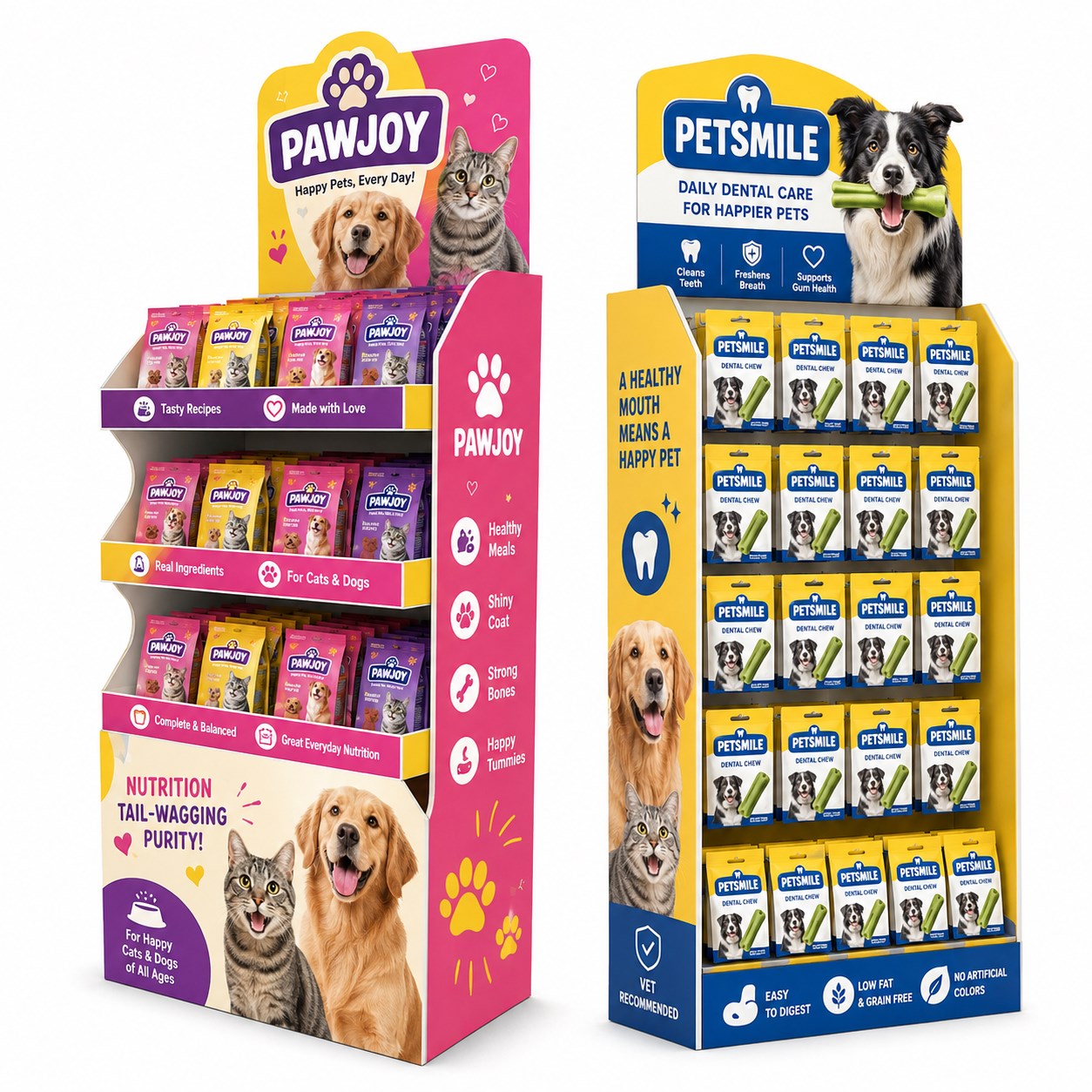
Shelf & hook display design concepts.
Shelves, hooks and mixed layouts
Separate flavours, sizes and product lines
Custom paper-display programmes
Review loading, shopping and assembly
PET DISPLAY STRUCTURES TO START FROM
Compare these shelf, hook and mixed layouts against your selling packs and retail space. Images show empty catalogue designs. Use the comparison below to choose a starting structure, then confirm product fit and loading on your project sample.
| Selling pack | What to send | Structure to assess | Confirm on the sample |
|---|---|---|---|
| Treat pouches & small cartons | Filled W × D × H, weight, flavours and units per facing. | Shelf floor display; for a compact range, counter unit or divided PDQ tray. | Pack stands as intended; labels clear shelf lips; one pack can be picked and rear stock refilled. |
| Carded toys, collars & leads | Pack width, hanging-hole size and position, weight, hanging length and units per hook. | Peg hook display or a mixed shelf-and-hook unit. | Pack lifts off without catching adjacent stock; hook fixings, row spacing and lower-shelf clearance fit. |
| Cans, bottles & mixed small packs | Filled base dimensions, height, weight, SKU allocation and units per level. | Shelf or compartment layout, with support developed for the agreed load. | Pack support and label visibility, full and partly empty balance, picking and refill access. |
| Heavier pet-food bags or larger quantities | Largest filled bag, unit weight, quantity by position, store footprint and delivery setup. | Floor or pallet format after a project-specific structural and loading review. | Actual loading pattern, supports and assembly; agree load or transport checks and acceptance criteria. |
No fixed size or universal weight limit is implied. Photos are enough to start the discussion; the structure and loading plan are confirmed for your project.

01
Use a compact shelf unit where a narrow retail position is available. Plan the pouch depth, front-facing quantity and shelf clearance so shoppers can read the pack and remove it without disturbing the next row.

02
Combine hanging accessories with packaged stock on lower shelves. Assign the hook rows and shelf zones before choosing the footprint; the longest hanging item should not cover the products beneath it.

03
Give each carded pack a defined hanging position. Develop the hook spacing around the pack width, hanging-hole position and units per hook, with enough room for shoppers to lift one item off.

04
Group packaged pet food or care products by line, pack size or flavour. Shelf depth and front lips should support the actual packs while keeping labels visible. Capacity is confirmed for the chosen structure and load.

05
Create clear rows for hanging pet toys and lightweight accessories. Send the largest pack and its actual weight so hook length, fixing details and the loaded balance can be assessed together.
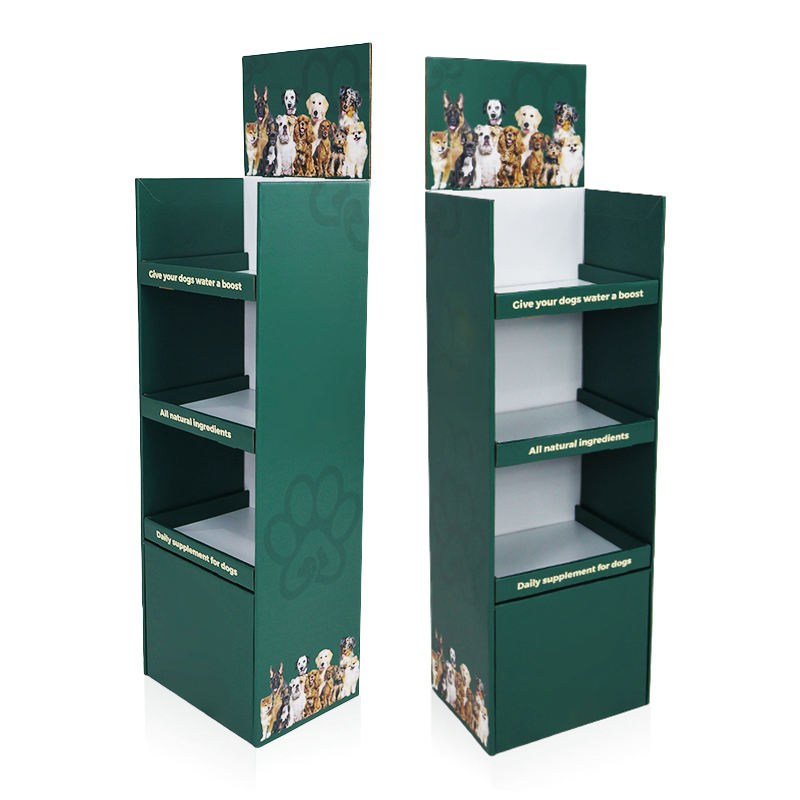
06
Use separate levels to organize a focused range rather than mixing every SKU in one bin. Discuss the priority products, stock behind each facing and access to the lowest shelf before finalizing the layout.
START WITH THE SHOPPING TASK
Pet owners may be choosing by species, life stage, flavour or pack size. A useful pet retail display makes the selected range easy to understand before someone reaches for a product. Build the layout around the way the range is actually sold, and keep essential pack information visible.
Choose the launch, seasonal offer or hero line that deserves the first facing. Use the header to explain the range clearly; supporting shelves and hooks should make that message easier to understand.
Separate flavours, pack sizes or dog and cat lines with defined rows, dividers or hook groups. Agree where product and price labels sit so the layout stays understandable after items are removed.
Set the stock quantity for every position and decide who replenishes it. Review the display partly empty, including lower shelves and rear rows, so store teams can return each pack to the right place.
Group flavours in defined shelf zones.
Check the filled pack footprint and front label.
Leave space to reach the back row.
Assortment planning: confirm the actual packs and quantities before fixing shelf dimensions.
PLAN THE PRODUCT ALLOCATION
For pet treat display stands, measure the filled selling pack. A soft pouch may spread or lean; cans, cartons and bottles keep a different footprint. Pack width sets the number of front facings, depth sets stock behind each facing, and height determines shelf spacing. Filled weight and the total units per level guide the support review.
HANGING PRODUCTS NEED THEIR OWN SPACE
A pet toy display or leash and collar display needs more than enough hook positions. Review the packaged width, hanging-hole location, pack thickness and longest hanging length. The product should lift off the hook without catching the next pack or covering shelf stock beneath it.
Share the chosen hook type and merchandise weight. Hook fixing, panel support and the loaded balance are specific to the structure. Any load or transit checks need agreed conditions and acceptance criteria; we do not apply a universal capacity figure to every display.
Set the gap between neighbouring hooks.
Match the hanging point, fixing and stock depth.
Keep the next shelf and base clear.
Hook layout planning: dimensions and product loading are confirmed on the sample.
Brand + one campaign message
Visible packs + distinct flavour or size groups
Range identification + agreed price information
Printed pet displays: use the structure to frame the product rather than hide the pack.
MAKE YOUR BRAND EASY TO RECOGNIZE
Use the header for one pet-range or campaign message. Keep flavours and pack sizes distinct on shelf fronts, while leaving the selling label visible above lips and dividers. Plan aisle-facing side graphics around the packs. On the dieline, keep key text and logos clear of cuts, creases, slots and hook fixings; confirm these safe areas with the artwork and sample.
Bring your logo, colour guidelines and approved artwork. We support structural design, 3D concepts, dielines and graphics, usually free of charge. Complex or repeated dieline changes may be quoted separately. Your team approves product claims and graphics; the printed sample lets you review the complete presentation.
YOUR PAPER-DISPLAY MANUFACTURER
Leader Display manufactures paper displays and supports structural design, sampling, assembly and packing. For your pet range, we connect the SKU allocation, printed panels, shelves, hooks and packing method in one project specification. Approve the structure and artwork together before the full production run.
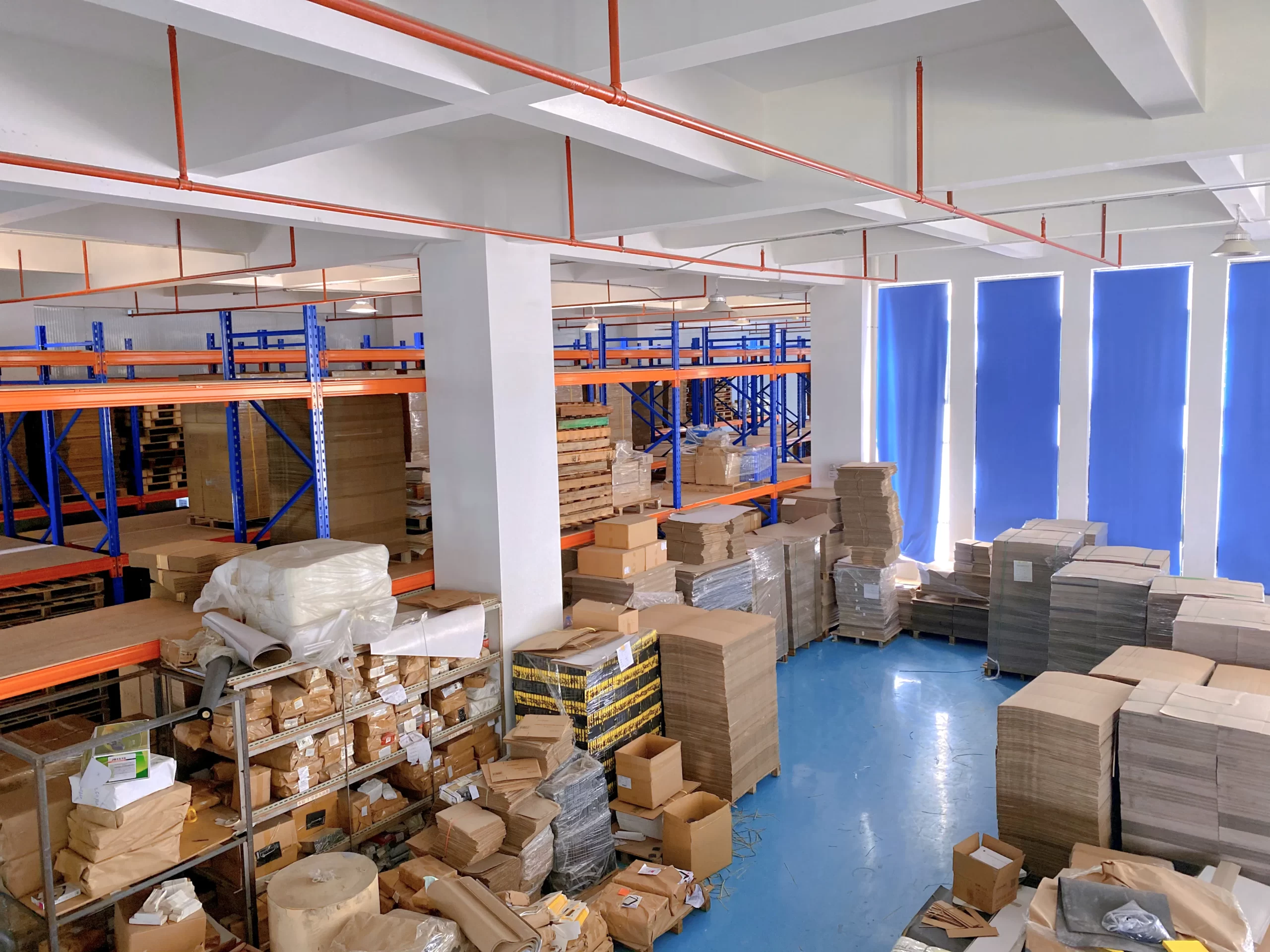
01 / Material storage and carton preparation
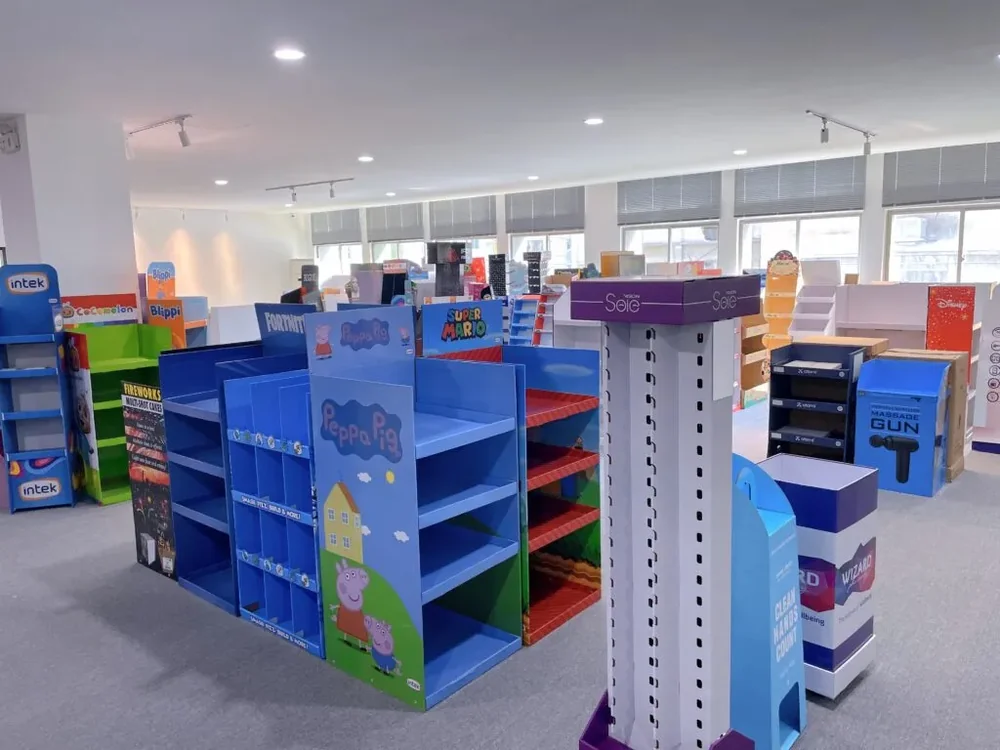
02 / Sample display structures for project review
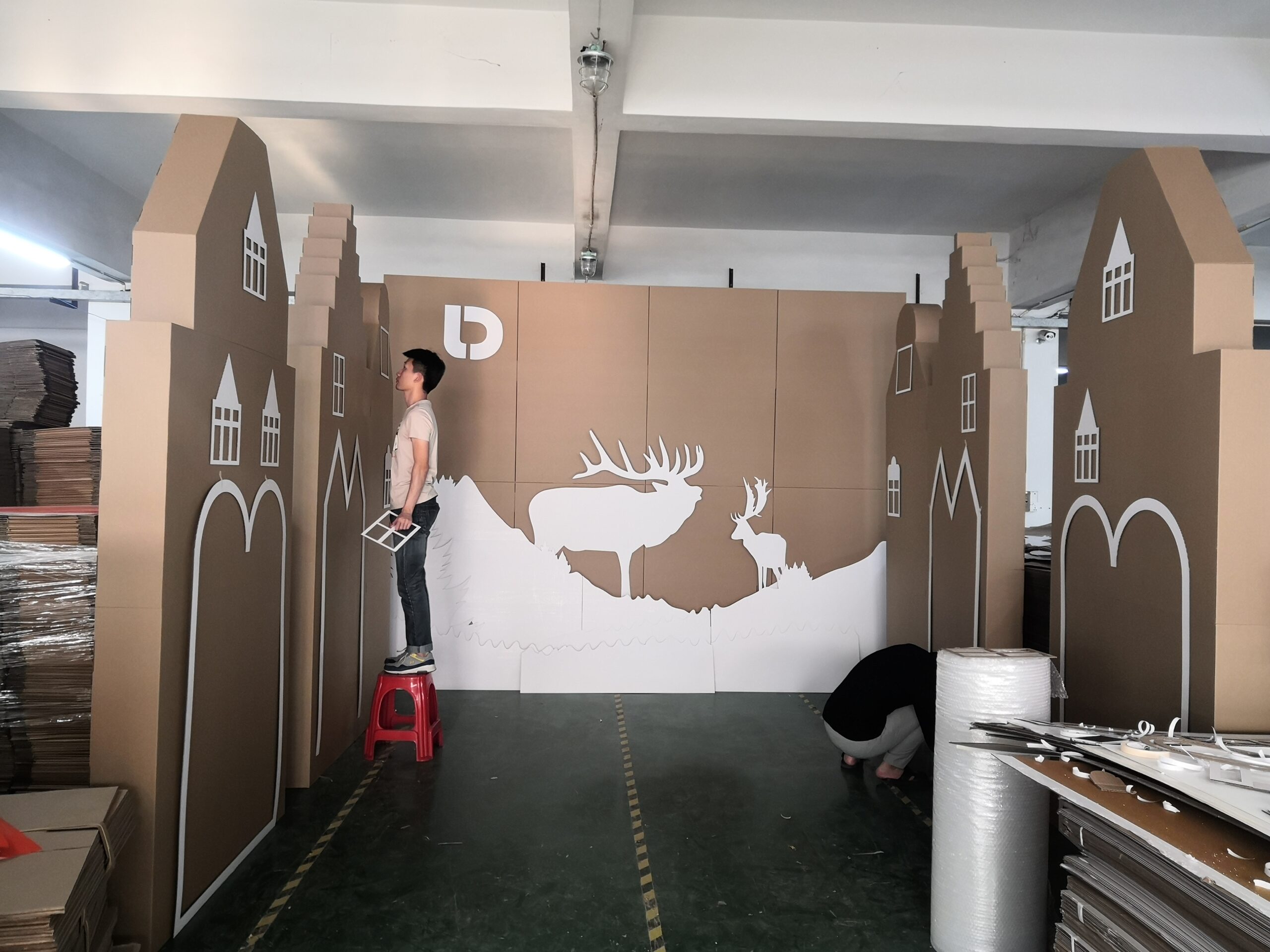
03 / Cardboard structure assembly in our workshop
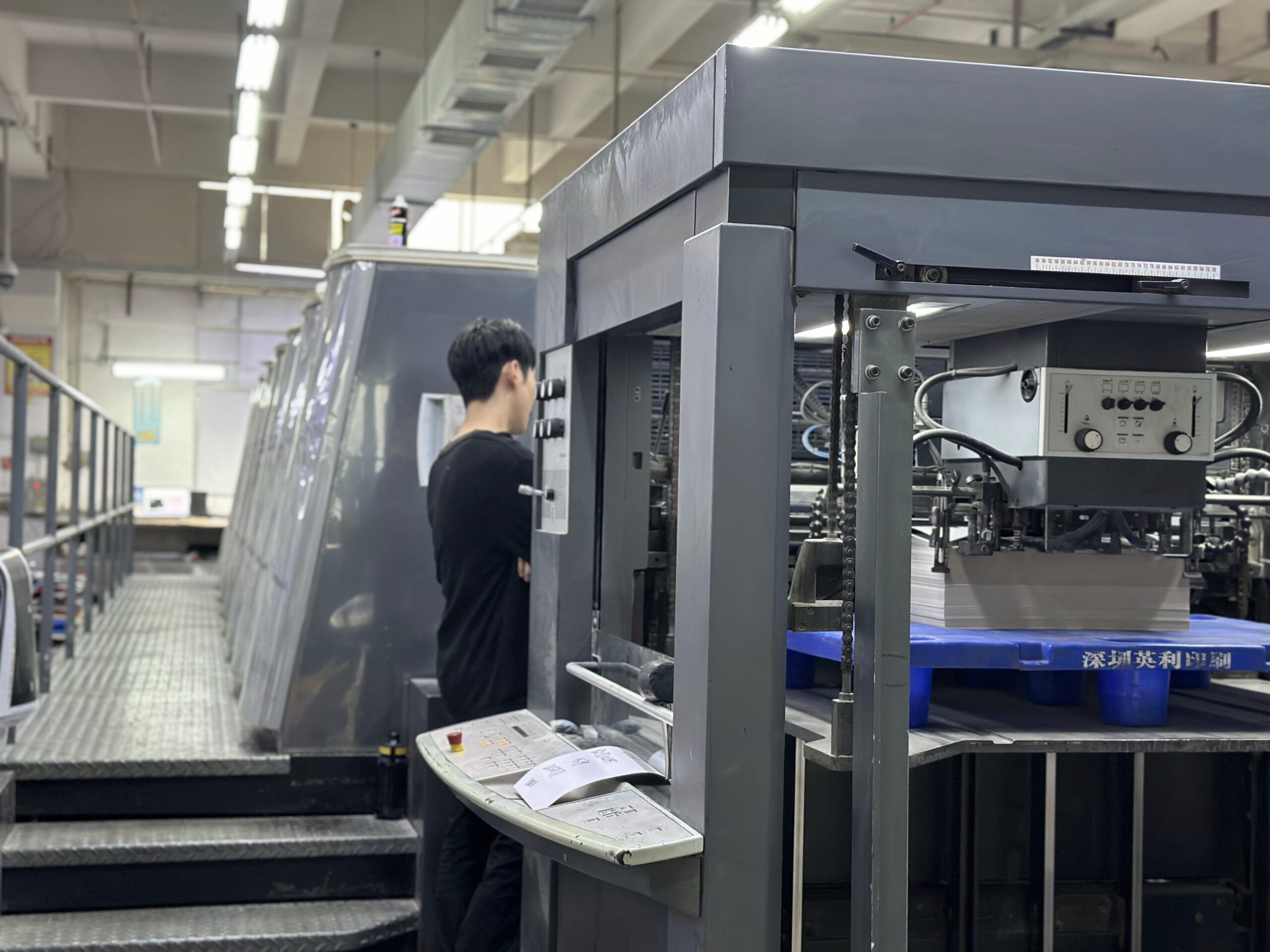
Compare headers, shelf fronts and side panels with the approved artwork. Keep cuts, folds and hook-fixing areas clear, and agree the print and finish reference for the order.
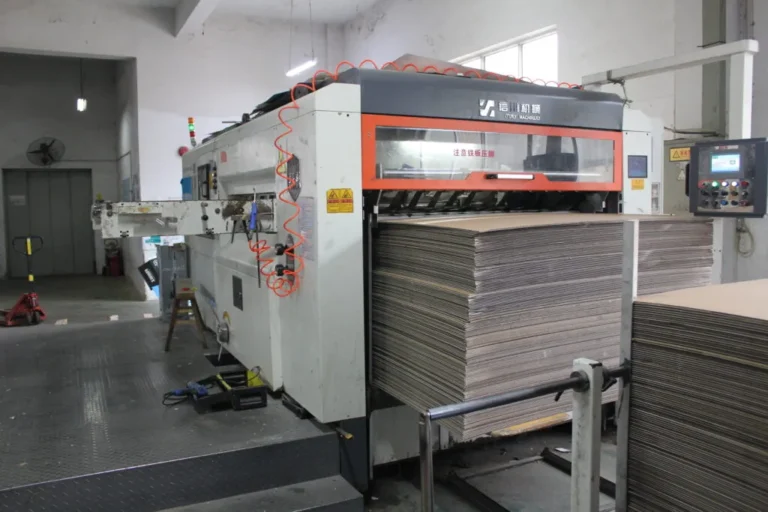
Develop shelves, dividers and support parts for the agreed loading pattern. Confirm hook or other component specifications and the fixing positions shown on the approved sample.
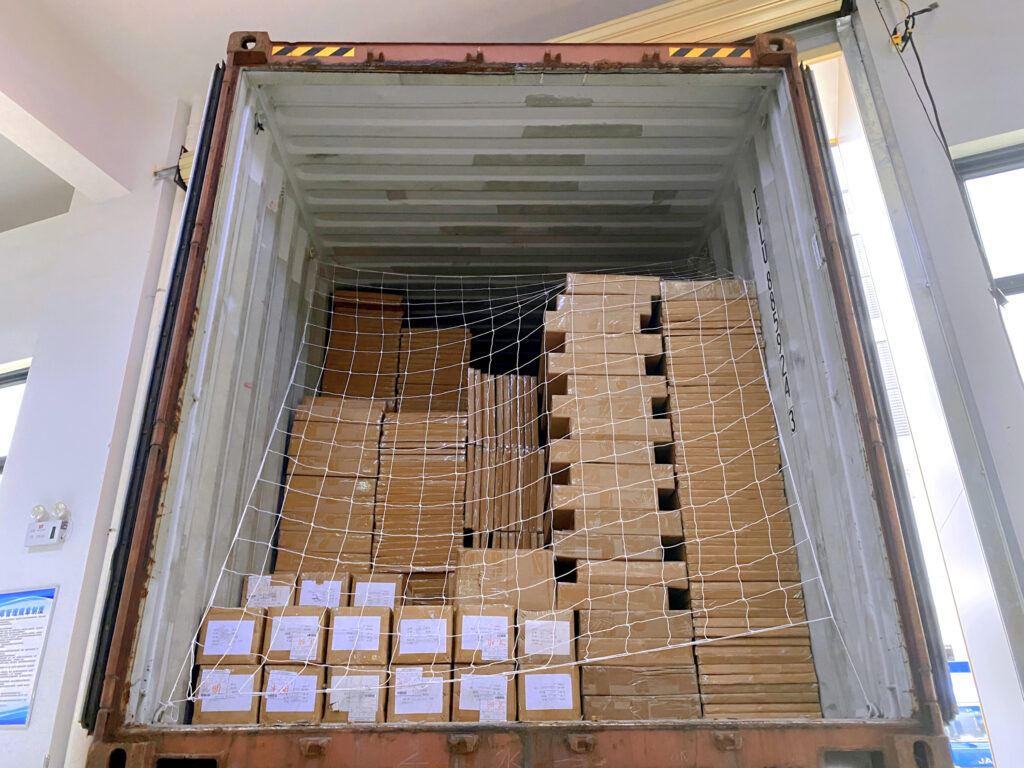
Check assembly, included components and carton identification against the project specification. Agree any extra loading, inspection or transit requirements before the production run.
APPROVE THE LOADED PRESENTATION
A pet product display sample helps you review more than the outline. Load actual filled pouches, cans, bottles or hanging packs in the intended quantities. Check the heaviest position and the widest pack, then remove products to see what happens as stock sells through.
A white sample checks structure, fit and assembly; a printed sample also shows graphics and finish. Paper-display samples normally take 2–4 calendar days from receipt of deposit, with timing confirmed for the project. Allow additional time for delivery, feedback and approval before the full run.
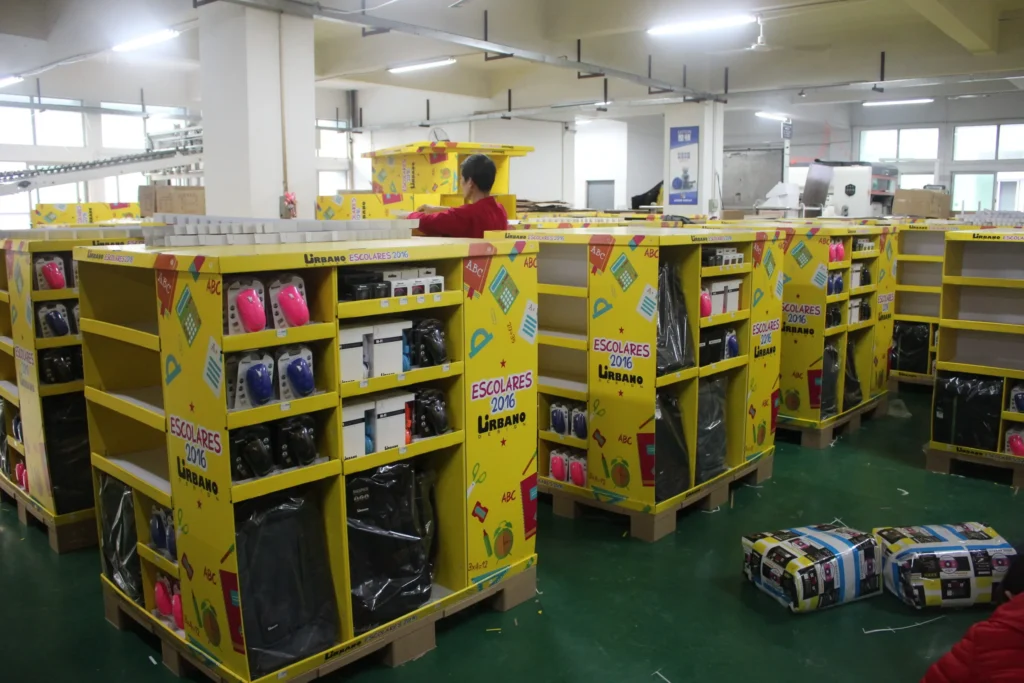
Printed cardboard display assembly in our workshop.
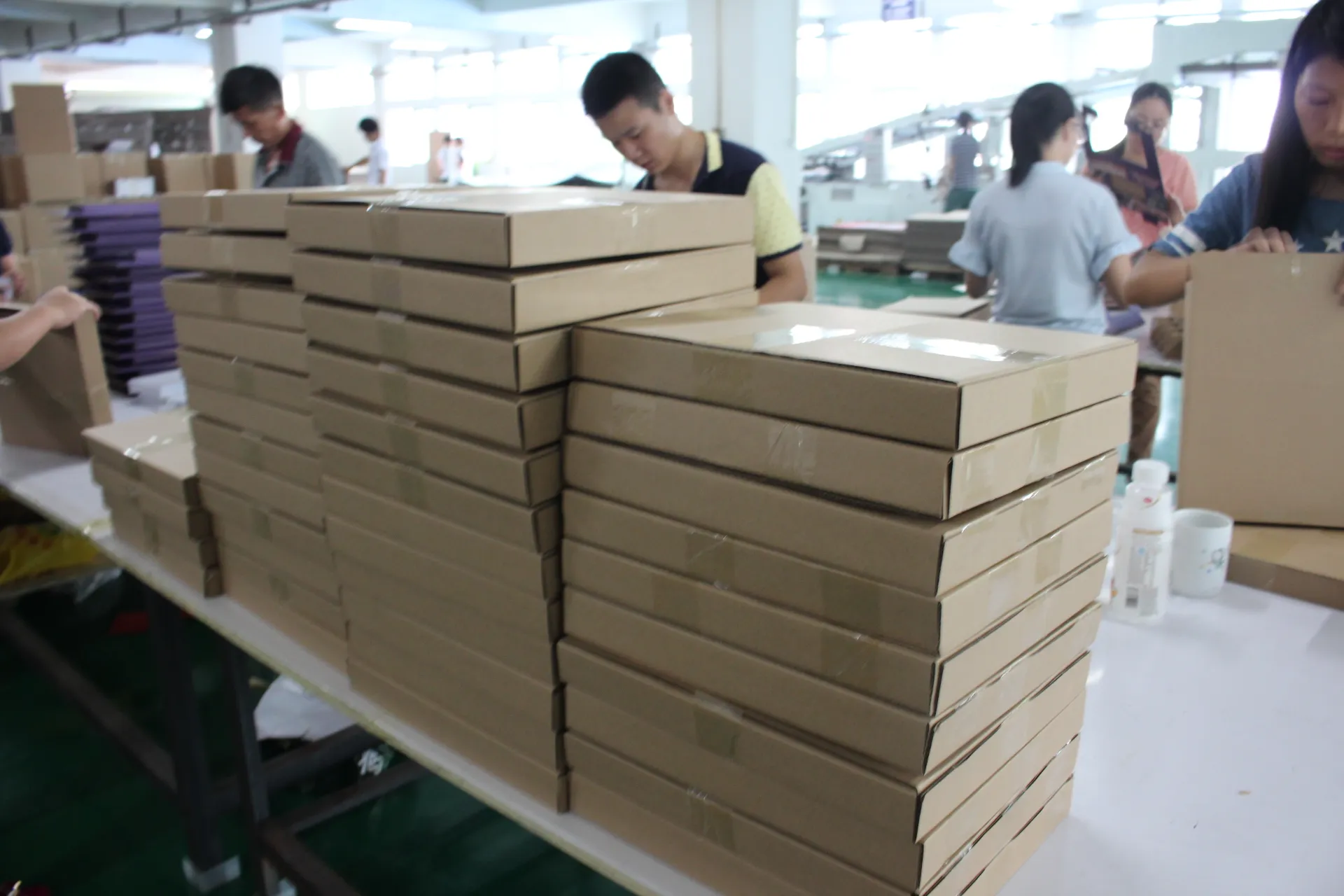
Carton packing and shipment preparation.
MAKE STORE SETUP PART OF THE BRIEF
Choose the packing state around who will assemble and load the display. Flat-packed kits can reduce shipped volume but leave setup at the receiving location. Assembled or product-loaded units can reduce store handling while changing carton size and freight. Compare the packed dimensions, handling steps and total delivery scope for your programme.
Agree who supplies and loads the products, how flavours and sizes are allocated, where hooks or loose parts are packed, and which setup instructions stores receive. Confirm store-by-store kits or consolidated delivery, carton labels and destination requirements. Sea, air, express and door delivery can be arranged; production time, freight and the exact receiving scope are confirmed separately.
01
Send product photos, selling-pack dimensions, filled weights, retail space and target date.
02
Compare shelf and hook allocation, graphics, support parts and packing options.
03
Review actual products, shopping access, assembly and the printed presentation.
04
Manufacture the approved display and pack it for the agreed delivery plan.
START WITH THE INFORMATION YOU HAVE
Send a product photo or reference and tell us the range, approximate display quantity and target store setup. We will identify a suitable starting structure and the remaining inputs for a production quote. You do not need a finished design or a complete specification to begin.
For pet product display stands, start with the product as it will be sold. A filled treat pouch, hanging toy, collar pack and grooming bottle need different space and support. Send the largest and heaviest variants, not only the easiest sample.
If details are still open, share the brief you have. We can compare structures and explain which inputs the production quote needs.
Custom paper-display orders normally start from 100 units; 200 or more usually offer better unit pricing. The dimensions, material, printing, number of parts, hooks or other components, packing method and quantity affect the quote.
These normal planning times are counted from receipt of deposit and confirmed for the project. Agree the sample and artwork approval steps before production. Sample delivery, revisions, approvals and freight need additional time; work backwards from your receiving date rather than treating production time as a delivery promise.
We support structural design, 3D concepts, dielines and graphics for custom printed pet displays, usually free of charge. Complex or repeated dieline changes may be quoted separately. Your logo, product photos and a reference direction are enough to start a discussion.
Samples are normally around USD120, adjusted for size and difficulty, and refunded after a bulk order under conditions confirmed in the quote. A rendering helps communicate the idea; the physical sample is where the fit, assembly and presentation are reviewed.
QUESTIONS BEFORE YOU ORDER
We can discuss layouts for packaged pet treats and food, hanging toys, collars, leads, grooming products and other accessories. Suitability depends on the selling pack, weight, quantity, store position and intended use. Share actual product details so the structure and support can be assessed.
Stand-up pouches, cans and cartons may suit shelves, while packs with a suitable hanging point may suit hooks. Compare the filled pack shape, front label, stock quantity and space needed to remove one unit. A mixed layout can be discussed where both types need a place.
Loading capacity is specific to the material, structure, supports, fixing and loading pattern. Send the filled weight and units for every shelf or position. Heavier loads may require a reinforced design or a different format; any load or transit checks need defined conditions and acceptance criteria.
Defined shelf zones, dividers, compartments or hook rows can help organize variants. Provide the SKU list and quantity for each position, then review the sample fully stocked and partly emptied. Keep product and price labels readable so stores can refill the agreed layout.
Tell us about floor cleaning, splashes and the intended placement before design. Paper displays should be planned for suitable indoor retail conditions. Finish selection does not by itself establish waterproof performance; any exposure requirements need a project-specific review.
Paper displays normally start from 100 units, with 200 or more usually offering better unit pricing. Samples normally take 2–4 calendar days and bulk production normally 10–15 calendar days from receipt of deposit, confirmed for the project. Approval steps, sample delivery and freight need additional time.
Flat-packed, assembled and product-loaded options can be discussed for the chosen structure. Agree who supplies and loads the products, the SKU allocation, carton labels, loose components and store instructions. The quotation defines the packing and delivery scope.
This page concerns displays for packaged merchandise. Direct contact with loose pet food, treats or liquids requires a separate material and suitability review. Do not assume the printed cardboard structure is a food-contact container; share any such requirement before quotation.
Send product photos or a reference display and tell us the range, approximate quantity and store setup you know. We can discuss a suitable shelf, hook or mixed layout first, then identify the pack dimensions, weights and other details needed for the sample and production quote. A finished design or a complete technical brief is not required to start.
Compare the pet product display catalogue or read our pet display selection guide. You can also review our sampling service.
YOUR NEXT PET RETAIL PROGRAMME
Start with product photos or a reference display. Add pack sizes, estimated quantity and destination when available; use the message box for the decisions still open. We will discuss a suitable structure and explain what the sample and quotation need next.
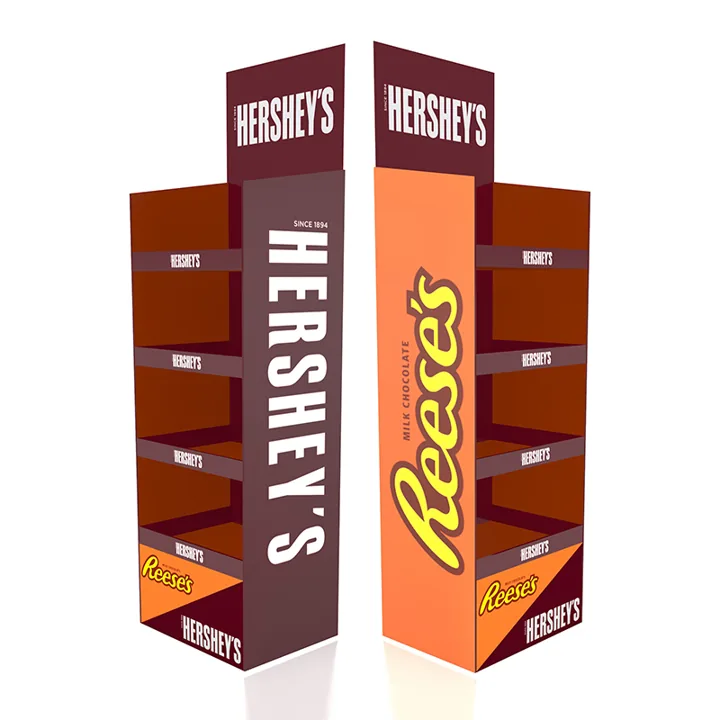
Create a dedicated position with shelves, compartments or a mixed product layout.
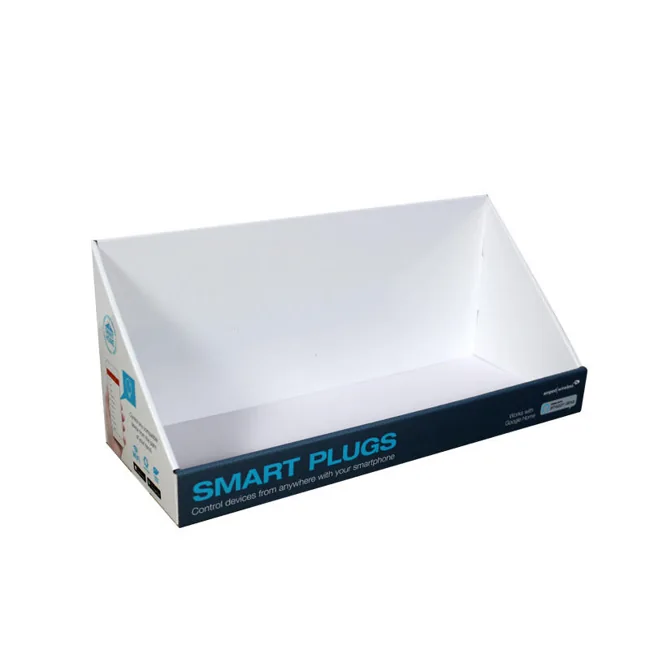
Compare compact units and trays for small packaged treats or pet accessories.
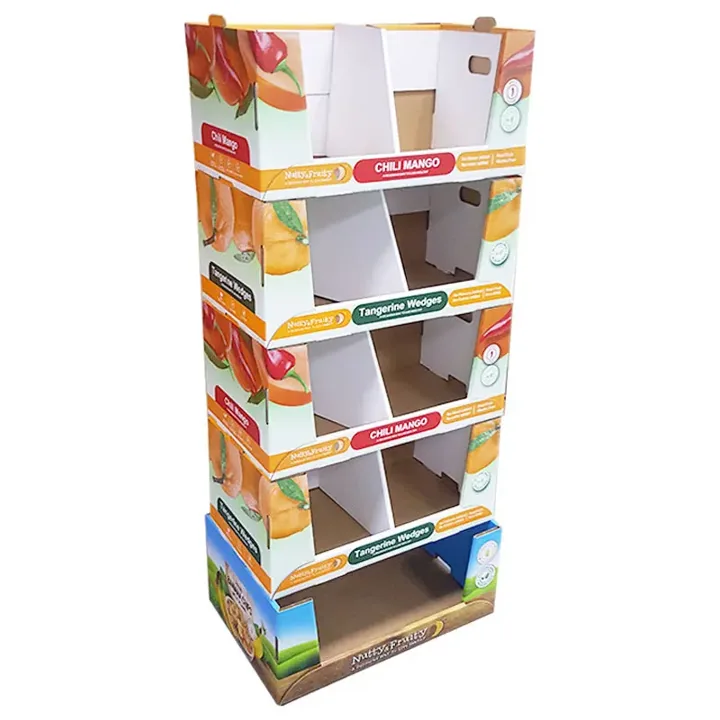
Discuss a larger promotion when the retailer permits the footprint and loading plan.
MAKE THE NEXT CHOICE EASY
Tell us what you want shoppers to notice, what the store needs to stock and when the promotion starts. We can help develop the structure, printed graphics, physical sample and packing plan.
Get a Quote on WhatsApp
We will contact you within 1 working day, please pay attention to the email with the suffix “@lddisplay.com”.