A dump bin display is one of the simplest retail formats, but it is also one of the easiest to misuse. When a dump bin display is matched with the right product and placed in high-traffic retail areas, it can drive impulse sales, improve visibility, and move stock quickly. When it is used for the wrong category, it turns into clutter instead of a selling tool.
For brands, retailers, and importers, the real value of a cardboard dump bin is speed. It helps shoppers browse fast, grab products easily, and make low-friction purchase decisions. In this guide, we explain what a dump bin display is, when it works best, and how to decide whether your product really belongs in one.
Quick Answer: What Is a Dump Bin Display?
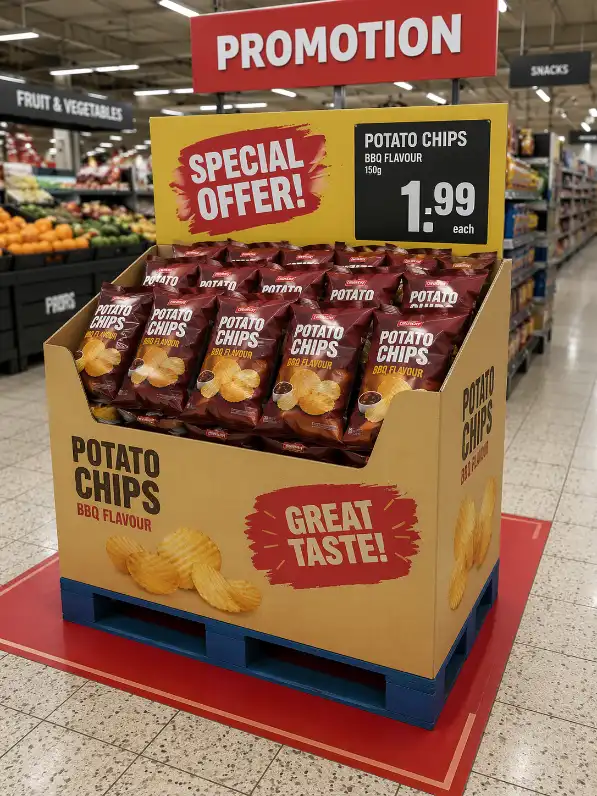
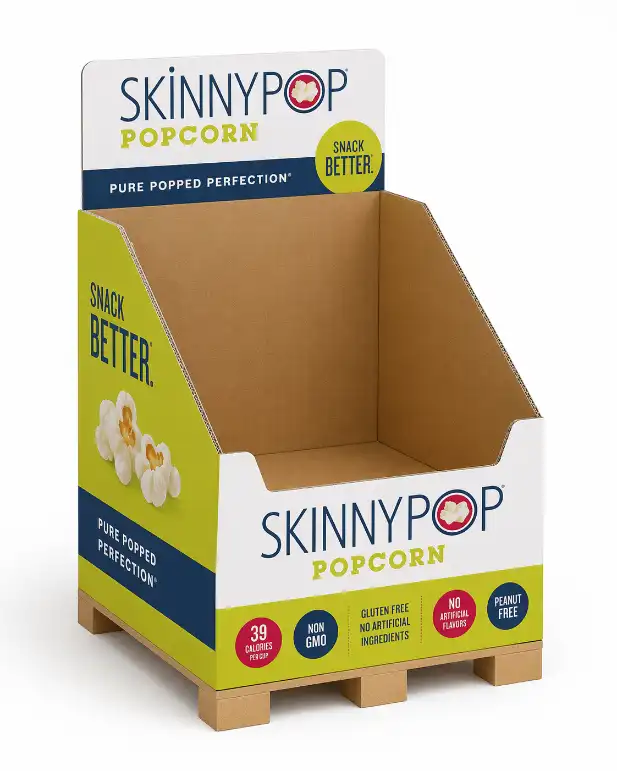
A dump bin display is an open-top floor display designed for easy browsing and fast pickup. It usually works best for small, simple, high-turnover products that do not need a lot of explanation. Shoppers can scan the bin quickly, reach in, and choose what they want without comparing every item in detail.
Why This Display Type Works in Retail
A dump bin works because it changes shopper behavior. It creates a casual, low-pressure way to browse products. Instead of standing still and comparing items one by one, shoppers can scan quickly and pick up what catches their attention.
This makes the format useful for promotions, seasonal offers, clearance programs, and products with strong impulse appeal.
When a Dump Bin Display Works Best
This type of display usually performs well when all of the following are true:
- the product is easy to understand at a glance
- the product is bought quickly, not studied for a long time
- the unit price is accessible enough for impulse purchase
- the display is placed in a high-traffic zone
If your product needs strong comparison, technical explanation, or very tidy presentation, another display format may work better.
Best Product Types for a Dump Bin
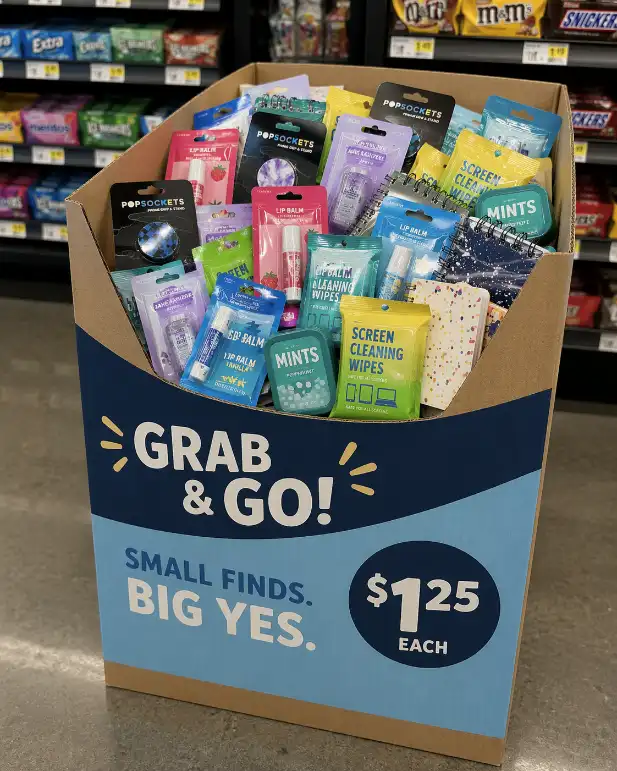
Cardboard dump bins often work well for individually packed snacks, candy, pet treats, sachets, low-cost accessories, small toys, and household impulse products. These categories benefit from quick visibility and easy pickup. The products also tend to tolerate a looser presentation style better than premium or technical items.
In many stores, the strength of the format comes from volume. A full retail dump bin looks active and inviting. That visual abundance can help attract shoppers even before they understand every product detail.
When a Dump Bin Is the Wrong Choice
This format is usually weak for products that need order, structure, or careful product-by-product comparison. It is often a poor fit for premium cosmetics, technical electronics accessories, high-end personal care, or products that rely on a very neat branded presentation.
If the shopper needs to compare variations carefully, a shelf unit, peg display, or counter display often works better.
Dump Bin Decision Table
| Product Situation | Is a Dump Bin a Good Fit? | Main Reason | Main Risk |
|---|---|---|---|
| Impulse snacks and candy | Yes | Fast browsing and easy pickup | Can look messy if overfilled |
| Promotional pet treats | Yes | Strong repeat-purchase logic | Needs a clear front message |
| Small low-cost accessories | Sometimes | Works if the products are simple to understand | Not ideal for detailed comparison |
| Premium beauty products | Usually no | Needs more controlled presentation | Can weaken brand value |
| Electronics accessories | Usually no | Shoppers often need clear comparison | Products mix too easily |
Store Location Matters More Than Many Buyers Expect
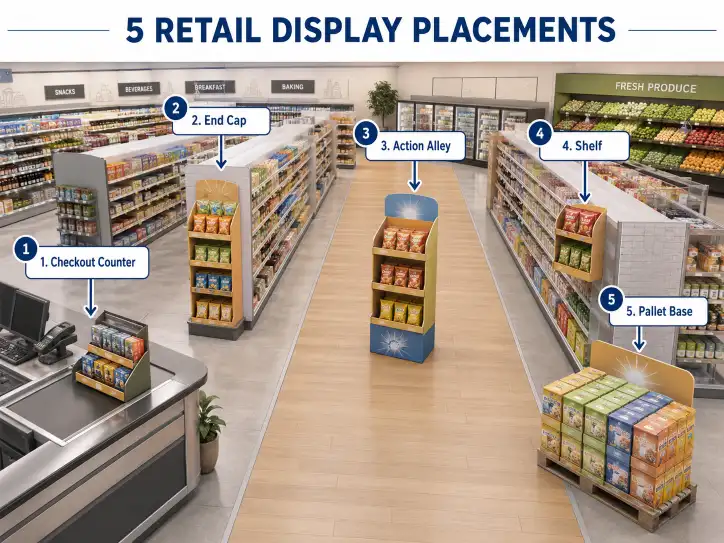
A dump bin display works best when it is placed where shoppers are already moving quickly and staying open to discovery. It often performs well in wide aisles, promotional islands, front-of-store spaces, and other high-traffic retail areas.
It is usually less effective in highly ordered shelf zones where customers expect cleaner comparison and more structured product presentation.
Why Some Dump Bins Sell Well and Others Fail
The best cardboard dump bins do not try to do too much. They usually focus on one product family, one simple message, and one clear reason to buy. Weak units often fail because they mix too many product types, use cluttered graphics, or try to sell products that need more structure than the format can support.
Simple retail logic usually works better than overdesigned execution.
How Full Should a Dump Bin Be?
A dump bin should look full enough to signal value and movement, but not so full that shoppers struggle to browse. If it is overfilled, the products can look cheap and disorganized. If it is underfilled, the display loses visual power and starts to look ignored.
This is why stock planning matters just as much as structure. Buyers should think about how the display will look after the first few sales, not only on launch day.
Questions Buyers Should Ask Before Approving This Format
- Is the product easy to understand without much explanation?
- Will the product still look sellable after partial depletion?
- Is the display going into a high-traffic location?
- Does the front panel communicate the offer clearly?
- Can retail staff refill the unit quickly?
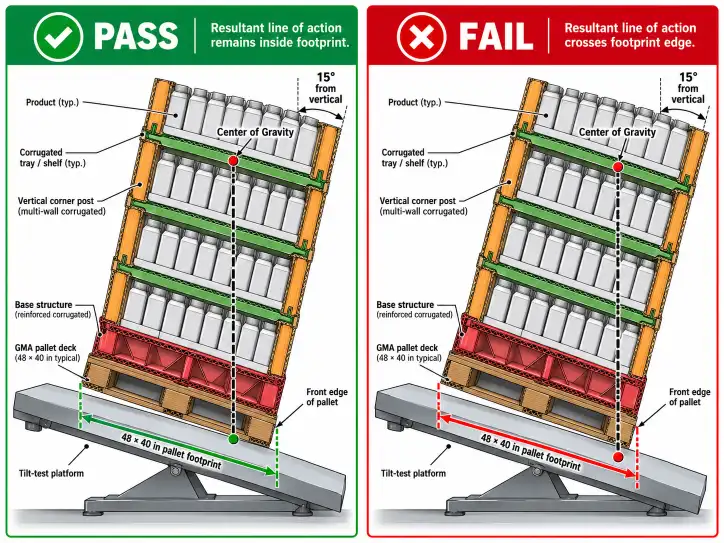
- Will the structure stay stable at the intended load level?
If the product depends on precise arrangement or careful comparison, a different format is usually safer. If the goal is fast pickup and strong promotional visibility, a dump bin can work very well.
How a Dump Bin Fits Into the Bigger Display Strategy
A dump bin is not a replacement for every other cardboard display. It is one tool in a wider retail system. Floor displays are better for more structured storytelling. Counter displays are better for close-range impulse pickup. Peg displays are better for clear SKU comparison. A dump bin is strongest when the goal is fast browsing and quick movement.
If you need a broader format comparison, you can also review our retail display solutions.
Conclusion
So, what is a dump bin display and when does it work best? It works best when the product is easy to browse, easy to grab, and sold through low-friction shopping behavior. For impulse categories and volume-driven promotions, it can be one of the most effective cardboard display formats. But for products that need cleaner comparison or stronger premium presentation, another display type is usually the better choice.
If you want help deciding whether a dump bin display is right for your product, feel free to contact us.
FAQ
What is a dump bin display?
A dump bin display is an open-top floor display designed for fast browsing and easy grab-and-go shopping.
What products work best in a dump bin display?
Snacks, candy, pet treats, sachets, small toys, and other low-complexity impulse products often work well.
Are dump bins good for premium products?
Usually not. Premium products often need cleaner and more controlled presentation.
Do dump bin displays work better than shelf displays?
Not in every case. Dump bins are better for fast browsing, while shelf displays are better for cleaner comparison and organization.
Can a dump bin hold many SKUs?
It can, but too many SKUs usually make the display harder to understand and less effective.
What is the biggest mistake with a dump bin display?
The biggest mistake is using it for products that need too much explanation, order, or detailed comparison.