Retail stores rely heavily on product presentation to attract shoppers and increase sales. A well-designed cardboard display can help products stand out, improve organization, and create a better shopping experience. But with so many display types available, how do you choose the right one for your retail environment?
In this guide, we explain the most effective cardboard displays for retail, how they work in different store layouts, and how buyers can select the best option based on product type and retail goals.
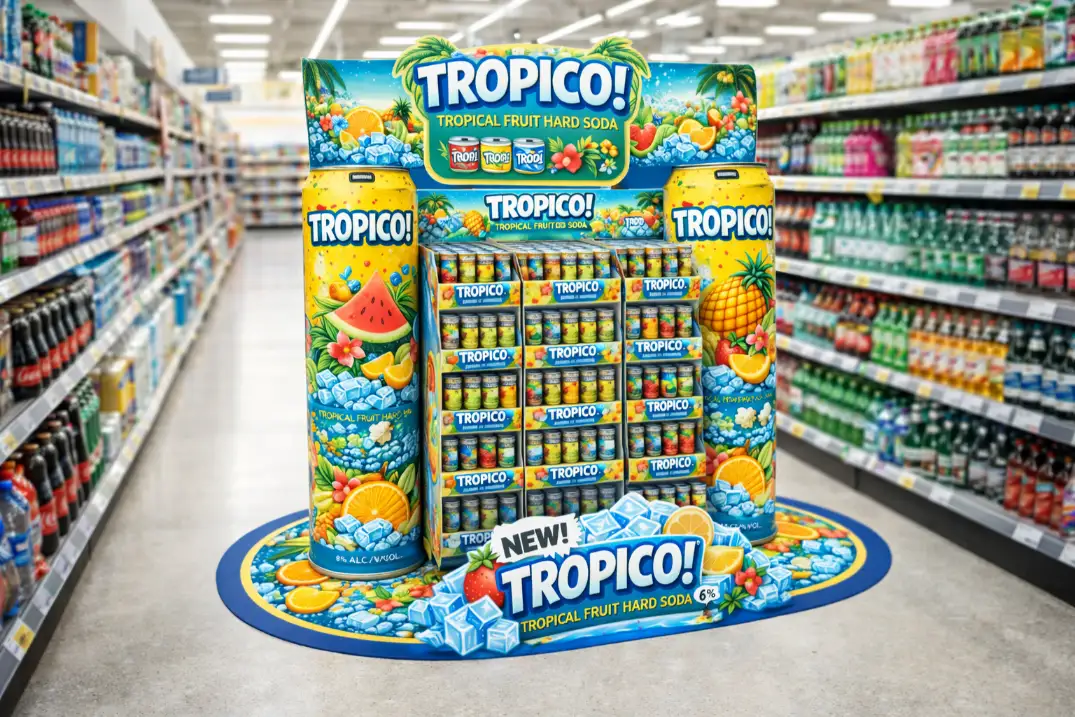
Why Cardboard Displays Work in Retail
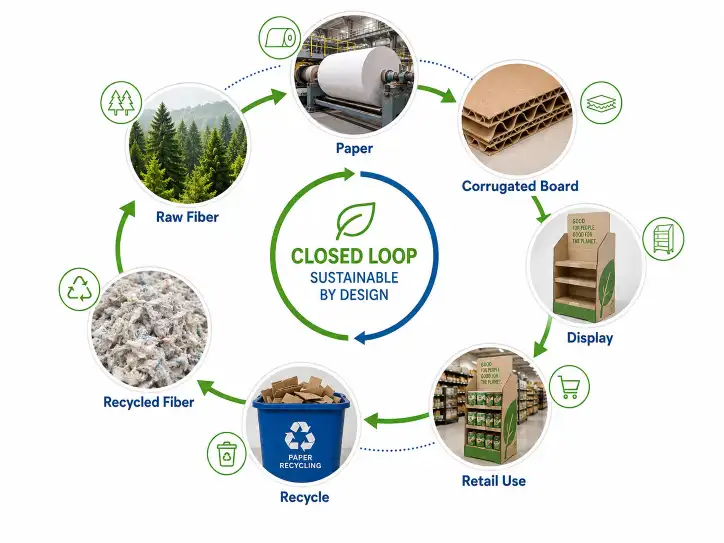
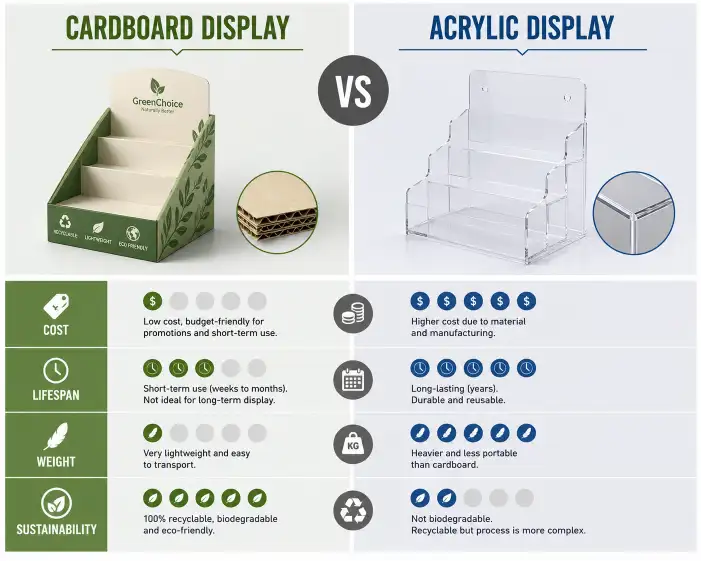
Cardboard displays are widely used because they offer strong visual impact, flexible customization, and cost efficiency. Retailers can easily adapt them for seasonal promotions, product launches, or category expansion.
Compared with permanent fixtures, cardboard displays are easier to update and more suitable for fast-changing retail environments.
Most Common Retail Display Types
1. Floor Displays
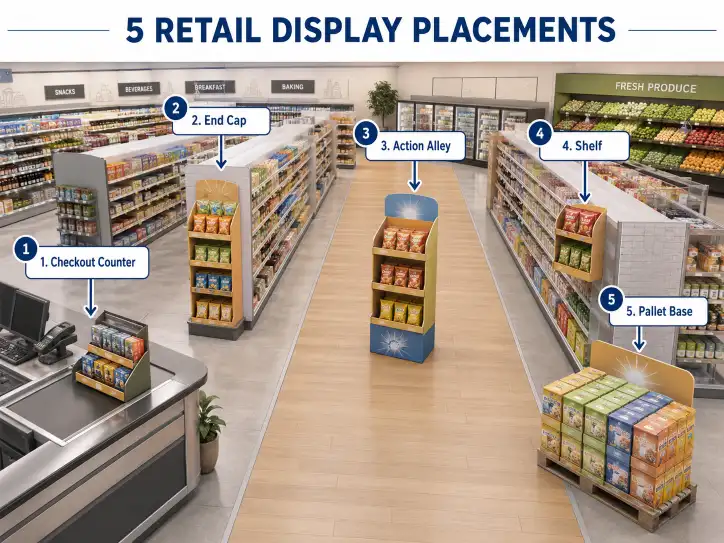
Floor displays are one of the most popular options in retail. They are placed in aisles or promotional areas to attract attention and hold a large number of products.
- best for: supermarkets, large stores
- advantage: high visibility
- limitation: requires space
2. Counter Displays
Counter displays are designed for smaller products and impulse purchases. They are usually placed near checkout areas.
- best for: small items
- advantage: high conversion
- limitation: limited capacity
3. PDQ Displays
PDQ displays are pre-packed and ready for fast placement. They reduce setup time and improve efficiency.
Learn more in our PDQ guide.
4. Pallet Displays
Pallet displays are used for bulk retail promotions. They hold large volumes of products and create strong visual impact.
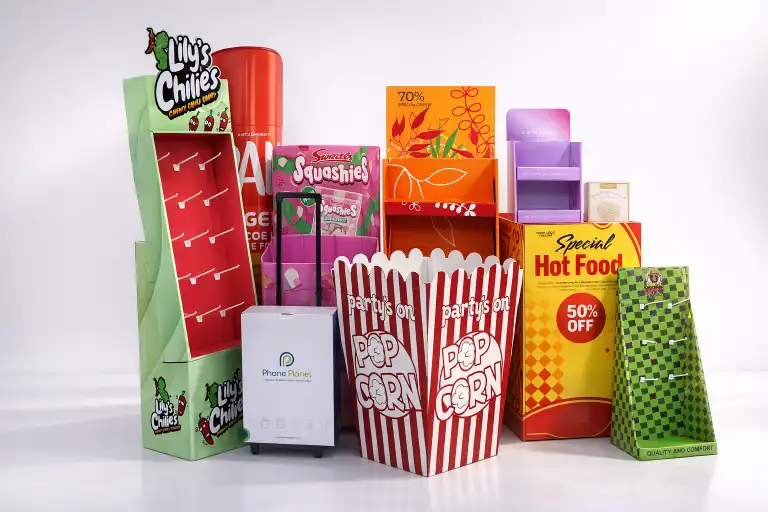
Comparison Table: Retail Display Options
| Type | Best Use | Strength | Limitation |
|---|---|---|---|
| Floor Display | Main promotion | High visibility | Needs space |
| Counter Display | Impulse sales | High conversion | Small capacity |
| PDQ | Fast setup | Efficiency | Less flexible |
| Pallet Display | Bulk sales | High volume | Logistics heavy |
How to Choose the Right Retail Display
The best choice depends on several factors:
- product size and weight
- retail space available
- campaign duration
- target quantity
- customer shopping behavior
Buyers should always match the display type to the real retail scenario.
Design Tips for Retail Displays
- use clear and simple graphics
- highlight key products
- keep layout organized
- avoid overcrowding
- ensure easy access
For printing and finishing decisions, see our printing guide.
Cost and Planning Considerations
Retail displays must balance cost and performance. Buyers should avoid over-designing while ensuring the display meets retail requirements.
Learn more:
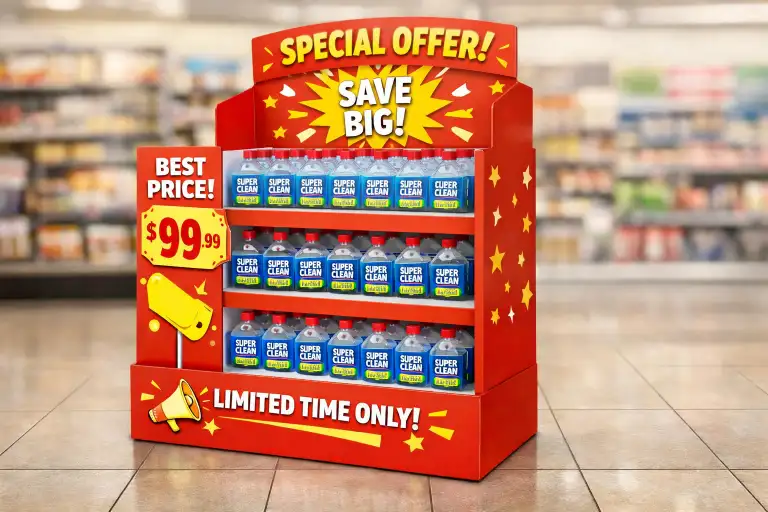
Buyer Checklist
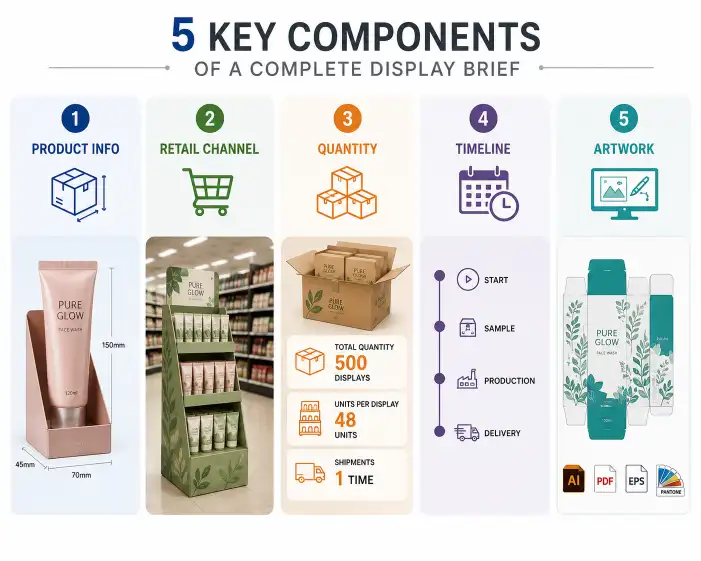
- confirm product details
- choose display type
- optimize layout
- plan shipping
- test sample
External References
Fibre Box Association
FEFCO Standards
Conclusion
The best cardboard display for retail depends on product type, store layout, and campaign goals. Floor displays, counter displays, PDQ units, and pallet displays all serve different purposes. Choosing the right option can significantly improve retail performance and sales.
If you are planning a retail display project, you can contact us for professional support.
FAQ
What is the best display for retail stores?
Floor displays are the most common choice.
Which display works for small products?
Counter displays are ideal.
Are PDQ displays useful?
Yes, they improve efficiency.
Do retail displays need strong material?
Depends on product weight.
How to improve display performance?
Focus on visibility and layout.
Can displays be customized?
Yes, fully customizable.