When sourcing a custom cardboard display, buyers often ask two questions at the same time: what is the MOQ, and how does it affect price? MOQ stands for minimum order quantity. In simple terms, it is the lowest quantity a supplier is willing to produce for a custom project under a given structure, material, printing, and production setup. MOQ is important because it affects unit price, production efficiency, sample planning, and the overall feasibility of the project.
For brands, retailers, and importers, understanding MOQ is not only about asking whether a factory can accept a small order. It is about understanding how order quantity changes the cost structure of a custom display project. In this article, we explain what MOQ means in cardboard display production, why factories set MOQs, how MOQ affects pricing, and how buyers can make smarter order decisions. If you are still exploring display formats, you can also review our custom cardboard display solutions for reference.
What Does MOQ Mean in Custom Cardboard Display Production?
MOQ means the minimum order quantity required for a specific custom project. In custom cardboard display manufacturing, MOQ is usually not a random number. It is connected to material procurement, printing setup, die-cutting preparation, labor arrangement, and packing efficiency. A supplier has to prepare these production steps whether the order is small or large, so very low quantities usually create higher cost pressure per unit.
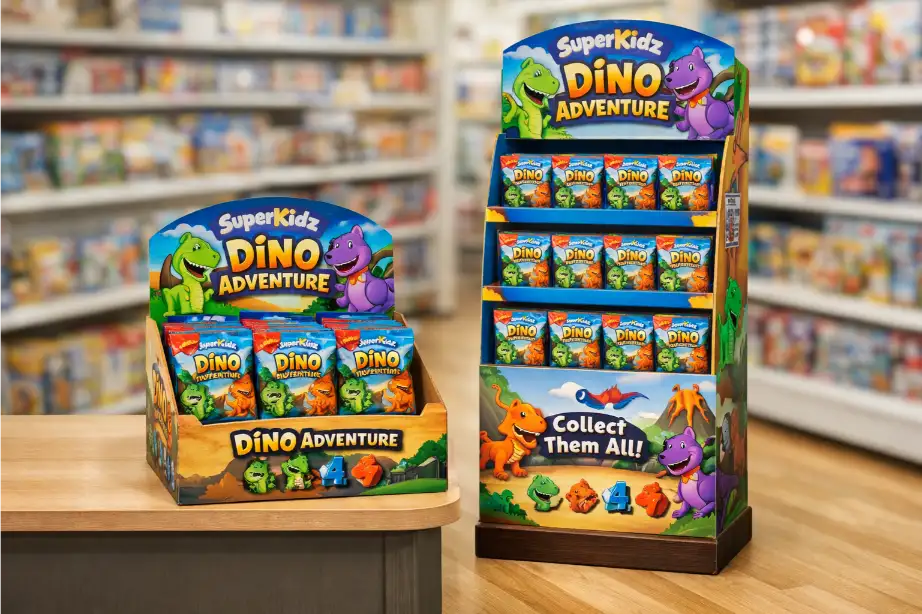
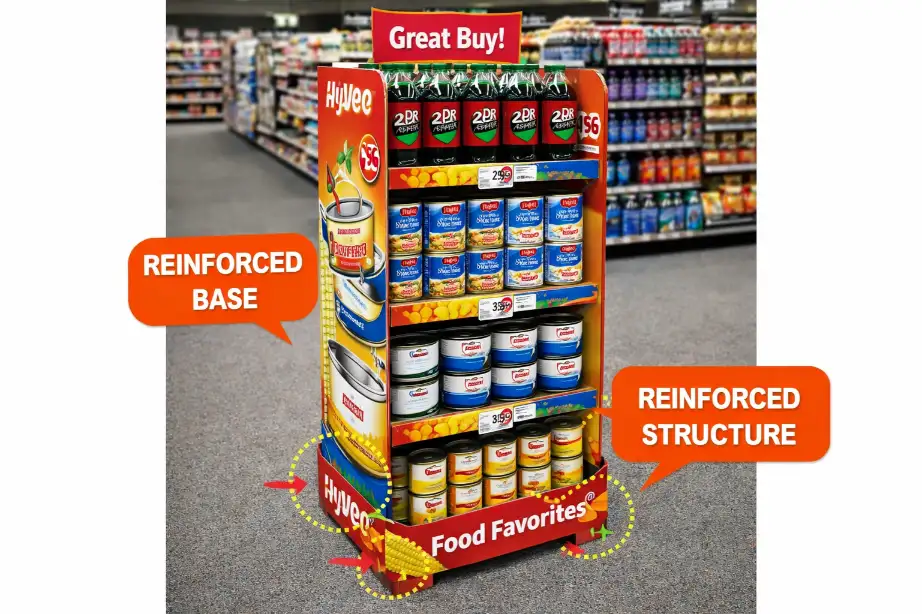
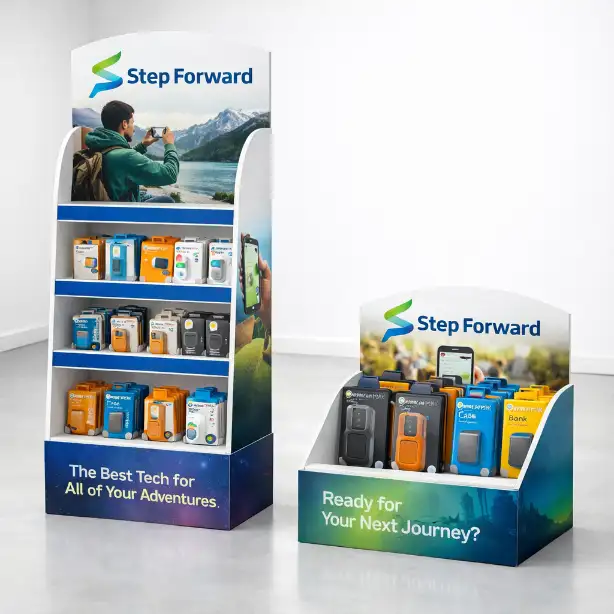
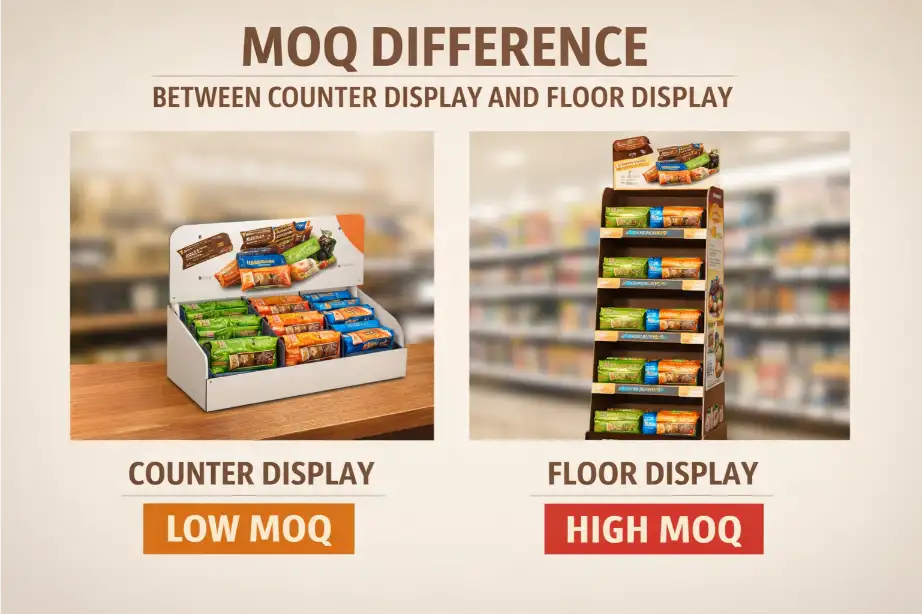
MOQ is also influenced by the display type. A simple counter display may have a lower MOQ than a large floor display with reinforced shelves, special printing, and export packing requirements. This is why buyers should not expect one universal MOQ for all cardboard displays.
Why Do Factories Set MOQ for Custom Displays?
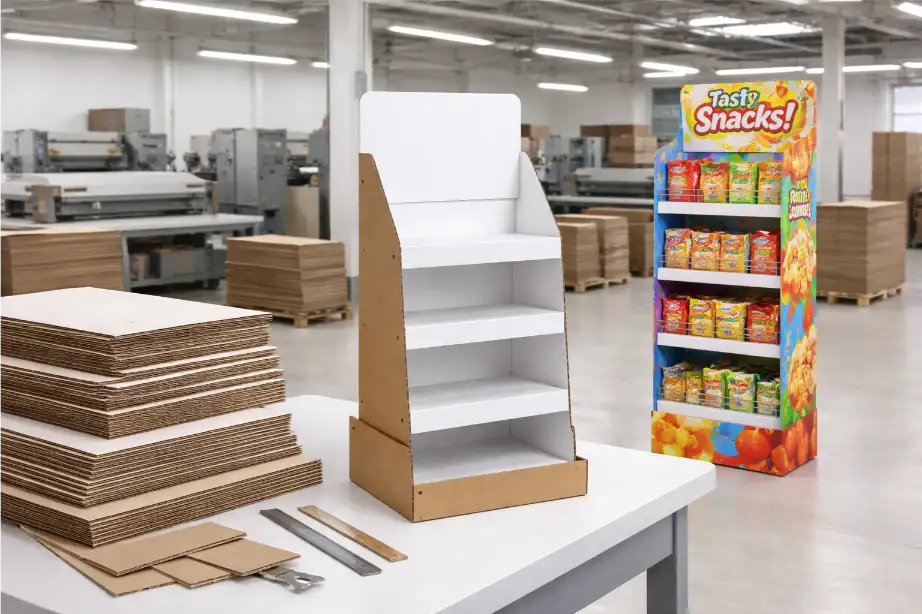
Factories set MOQ because every custom project includes preparation work before mass production begins. This preparation may involve structure design, board selection, print setup, cutting preparation, packing method confirmation, and quality checks. If the quantity is too low, the supplier still needs to complete much of the same setup work, but the cost is spread across fewer units. That makes the unit price much higher.
MOQ also helps the factory plan production resources more efficiently. For example, if a display project uses custom artwork, special board grade, or a dedicated die-cut structure, the supplier needs enough quantity to justify the setup and production scheduling.
How MOQ Affects Unit Price
MOQ is one of the biggest factors that affects unit price. In most custom cardboard display projects, smaller quantities mean a higher price per unit, while larger quantities usually reduce the average unit cost. This does not always mean buyers should order as much as possible, but it does mean that quantity planning is an important part of budgeting.
For example, an order of 300 units may have a much higher unit price than an order of 1,000 units because structure setup, printing preparation, and manual work still need to be completed in both cases. When the quantity increases, the production process becomes more efficient, and the fixed setup cost is shared across more units.
| Order Quantity | Typical Unit Cost Trend | What Buyers Should Know |
|---|---|---|
| Very low quantity | Highest unit cost | Best for testing, but not always cost-efficient |
| Medium quantity | More balanced pricing | Good for trial retail programs or regional launches |
| High quantity | Lower unit cost | Better production efficiency and price advantage |
Does Every Display Type Have the Same MOQ?
No. MOQ usually changes depending on the display type, display size, load-bearing requirement, printing complexity, and packing method. A lightweight peg display for small accessories may have a different MOQ from a floor display designed for beverages or pet food. More complex structures often require more setup work, which may influence the minimum quantity needed for efficient production.
Display type also affects how much material is used and how the display is packed for shipment. A compact countertop unit may be easier to produce in smaller batches, while a larger retail display may require more careful planning to keep the project economical.
If you are comparing different in-store merchandising formats, our retail display solutions page may help you understand which structure better matches your product and budget.
What Else Affects MOQ Besides Quantity?
Buyers sometimes think MOQ depends only on the number of units ordered, but that is not the full picture. MOQ can also be affected by the following:
- display size and structure complexity
- product weight and shelf load requirements
- board grade and material reinforcement
- full-color printing and finishing requirements
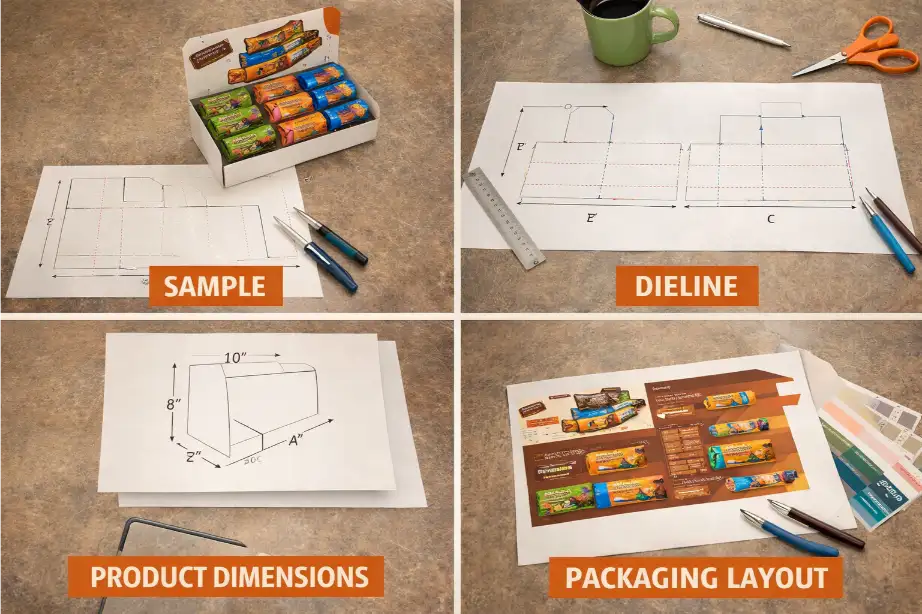
- whether the project needs a white sample or color sample
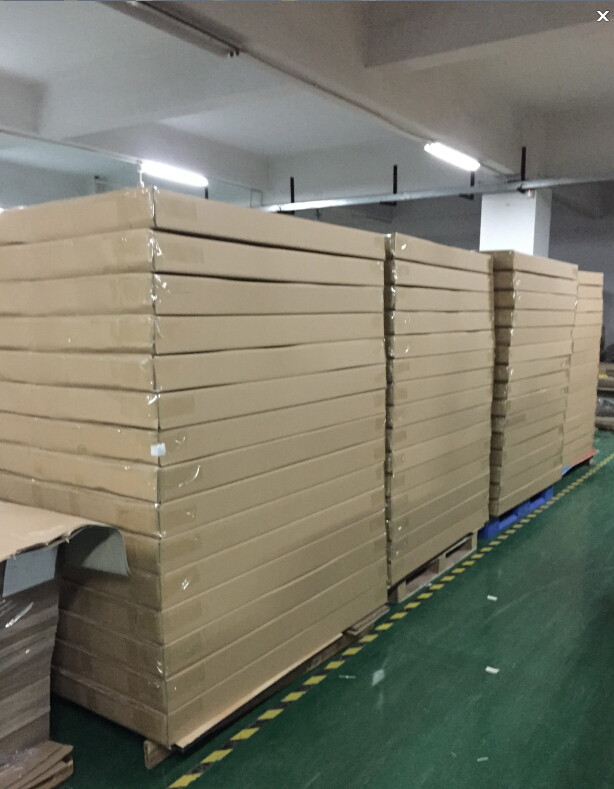
- export packing requirements
- whether artwork and dimensions are already finalized
This is why two projects with the same quantity may still receive different quotes or different MOQ guidance from the supplier.
Can Buyers Order Below MOQ?
Sometimes a supplier may still accept a lower quantity, but buyers should understand that the unit price will often be higher. In some cases, the supplier may recommend adjusting the structure, simplifying the printing, or using a more standard material option to make a smaller order more practical. A lower quantity is possible in some projects, but it is not always the most cost-effective choice.
For buyers testing a new product launch or a short-term retail program, a smaller quantity may still make business sense. The key is to understand the trade-off between flexibility and cost.
How Buyers Can Use MOQ to Plan Better Orders
MOQ should not be treated as just a factory limitation. It can also be used as a planning tool. Buyers who understand MOQ can compare quantity levels, calculate better unit pricing, and decide whether a higher order makes sense for broader distribution or future promotions.
Here are some practical ways to use MOQ more effectively:
- ask for tiered pricing at several quantity levels
- compare sample cost with mass production cost separately
- confirm whether structure simplification could lower MOQ pressure
- check whether multiple SKUs can share one display design
- evaluate storage and shipping cost together with production price
In many projects, the best decision is not the smallest order. It is the order size that gives the best overall balance between unit cost, inventory risk, and campaign needs.
MOQ, Sampling, and Production Planning
MOQ is closely connected to the sample and production process. A project with a clear structure, confirmed artwork, and final product dimensions is usually easier to move into efficient production. When details are unclear, the supplier may need additional revisions, which slows the project and can affect pricing expectations.
That is why buyers should prepare key project information early, including product size, weight, target display type, desired quantity, and shipping destination. If outer cartons or branded packs are also part of the project, you may also want to review our packaging capabilities for a more complete solution.
Should Buyers Focus Only on Low MOQ?
Not always. A low MOQ can be helpful for testing or pilot programs, but it is not always the best value. If the order quantity is too low, the unit price may become too high and reduce the competitiveness of the whole retail project. Buyers should compare the total cost, not only the minimum possible starting quantity.
Sometimes a slightly larger order can create much better value if it reduces the unit price enough to offset storage or inventory concerns. That is why experienced buyers often request multiple pricing levels instead of only asking for the lowest MOQ.
Useful Industry References for Buyers
If you are new to corrugated display production, it helps to understand some basic corrugated material knowledge and structure terminology. The Fibre Box Association overview of corrugated is a useful introduction. For recognized international structure terminology, you can also refer to the FEFCO code reference.
Conclusion
MOQ in custom cardboard display production is more than just a minimum number. It directly affects unit cost, sample planning, production efficiency, and the total value of the project. Buyers who understand MOQ can make smarter decisions about pricing, inventory, and campaign rollout. Instead of focusing only on the smallest possible quantity, it is usually better to compare several quantity levels and choose the option that fits your real business goal.
If you are planning a custom display project and want more accurate MOQ and pricing advice, feel free to contact us with your product details and target quantity.
FAQ
What does MOQ mean for custom cardboard displays?
MOQ means minimum order quantity. It is the lowest quantity a supplier is willing to produce for a custom display project under specific production conditions.
Does lower MOQ always mean lower total cost?
No. Lower MOQ usually means a higher unit price because setup and production preparation still need to be completed.
Can MOQ change depending on the display type?
Yes. Counter displays, floor displays, peg displays, and dump bins can all have different MOQ expectations depending on structure and production requirements.
Why do suppliers recommend tiered pricing?
Tiered pricing helps buyers compare different quantity levels and understand how MOQ affects unit cost and total project value.
What information should I provide before asking about MOQ?
You should provide product size, product weight, target quantity, display type, artwork or references, and shipping information if available.