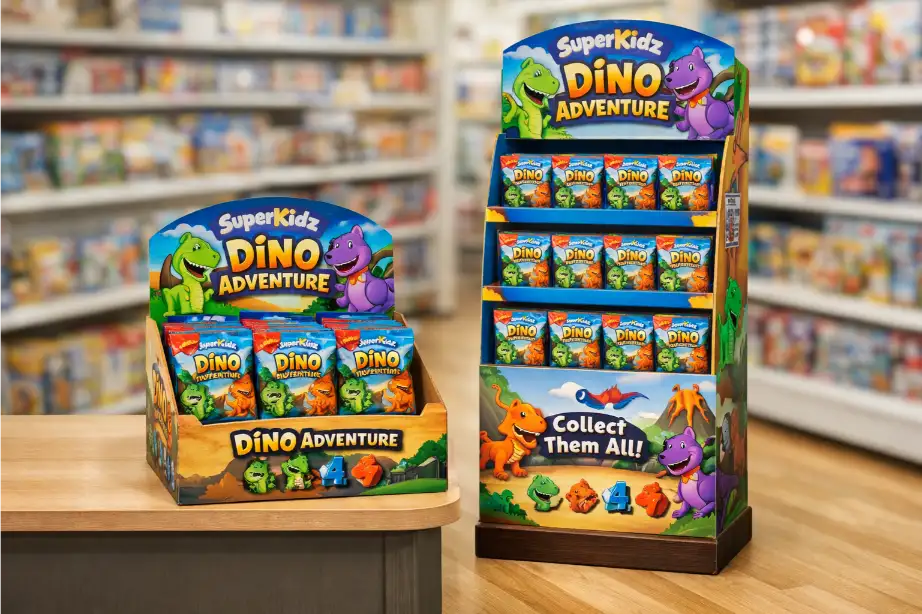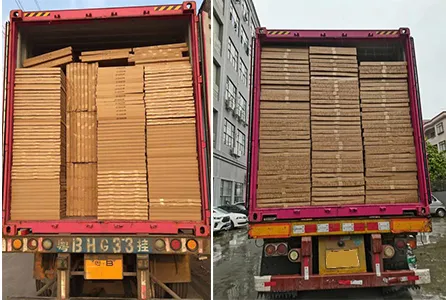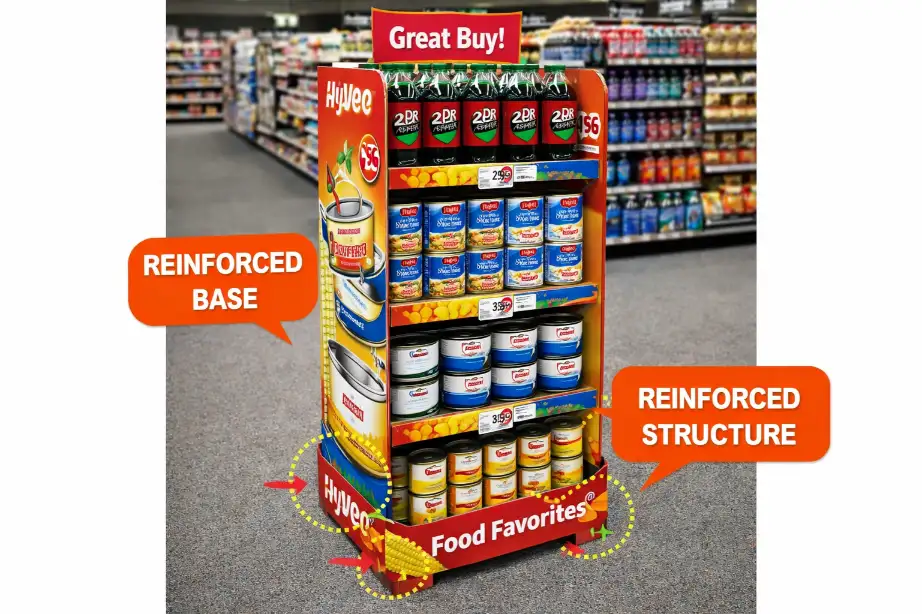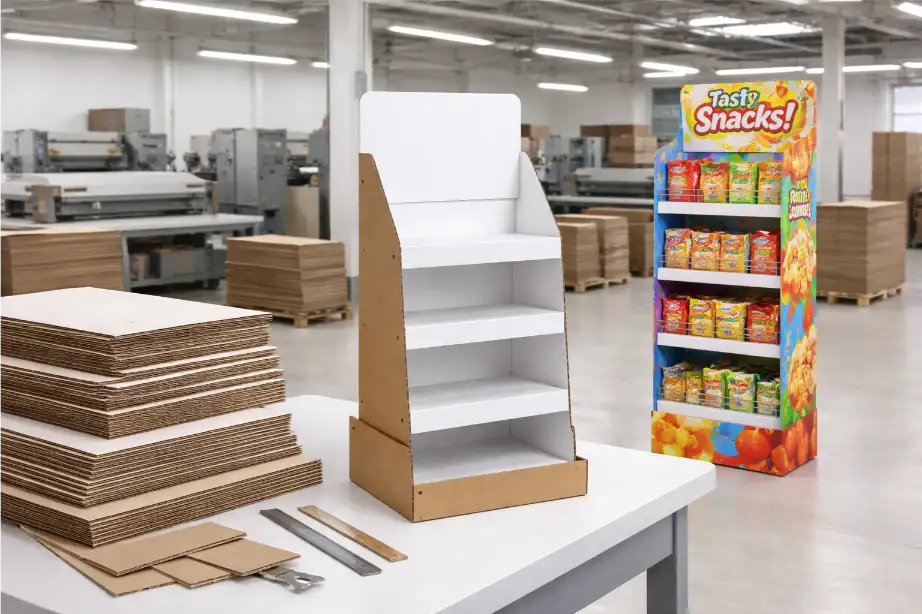
When buyers ask about custom cardboard display pricing, the most honest answer is this: there is no single fixed price. The cost of a custom display depends on structure, size, material grade, printing, quantity, sampling, and shipping requirements. A simple countertop display for lightweight products will cost very differently from a reinforced floor display designed for beverages, cosmetics, or large retail promotions.
For brands, retailers, and importers, the goal should not be to find the lowest possible quote without context. The real goal is to choose a display that fits the product, supports retail performance, and stays within budget. In this guide, we explain what affects display cost, what buyers should prepare before requesting a quote, and how to reduce unnecessary cost without making the display look cheap or unstable. You can also view our custom cardboard display solutions for reference.
Why Custom Cardboard Display Prices Can Vary So Much
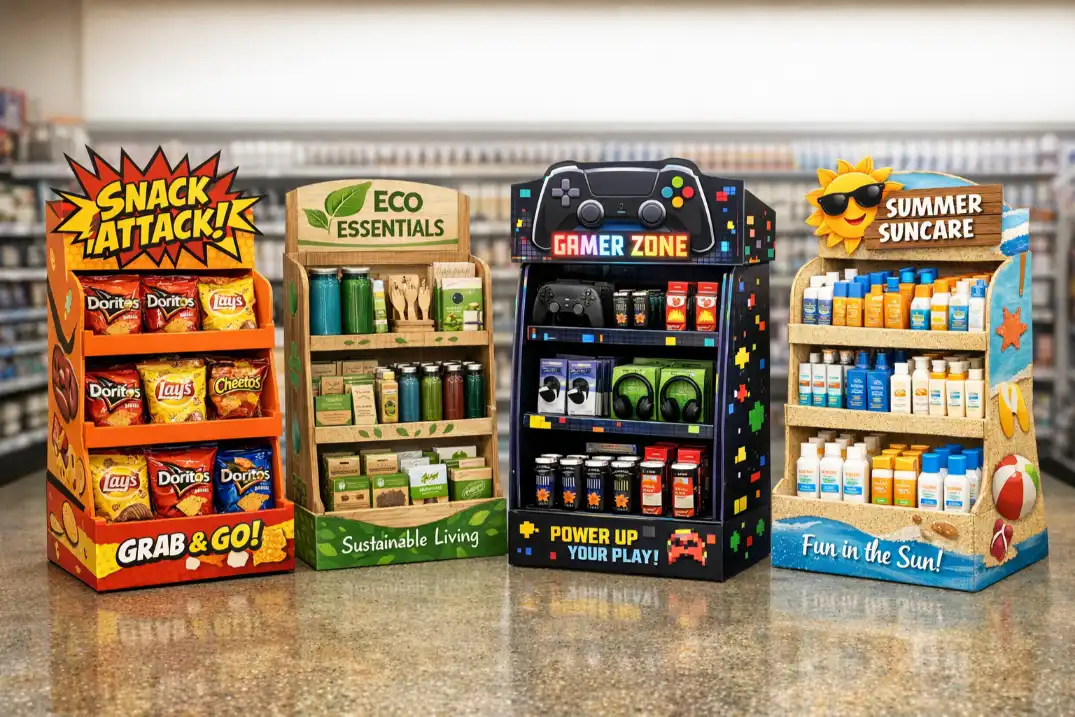
Custom cardboard displays are not standard stock products. Even if two displays look similar at first glance, they can have very different prices because of structural details, board strength, printing coverage, product loading requirements, and packing methods. A floor display for heavy products usually needs stronger corrugated board, better load distribution, and more material than a small counter display used for impulse items.
Another reason pricing varies is that every display project serves a different business purpose. Some displays are designed for short-term promotions, while others are made for longer in-store use. Some buyers only need simple branding, while others require premium printing, stronger visual impact, and precise sizing to fit retail shelves or shipping cartons. These differences all affect the final quote.
The Main Factors That Affect Custom Cardboard Display Cost
1. Structure and Display Type
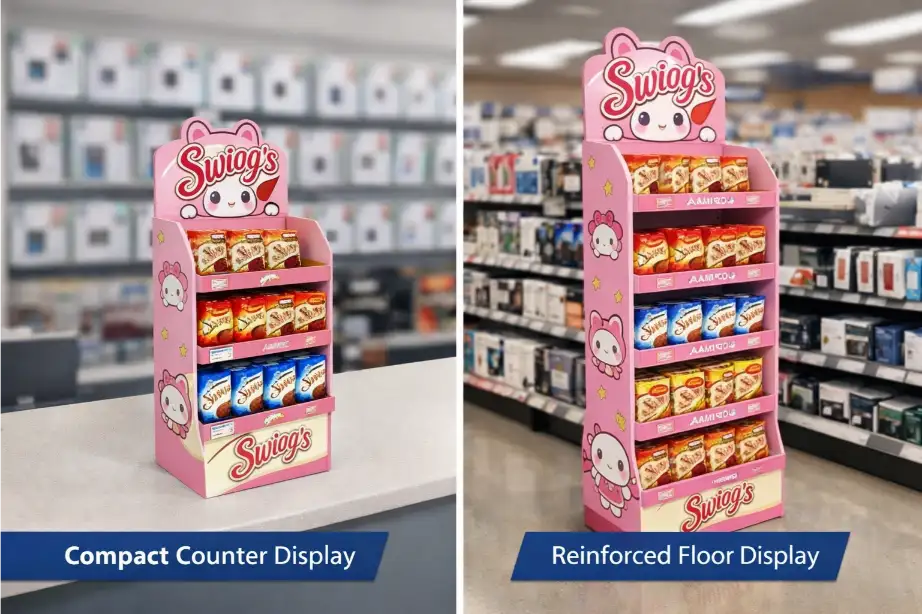
The structure is one of the biggest pricing factors. A countertop display is usually more affordable than a floor display because it uses less material and has a simpler structure. Displays with more shelves, hooks, side panels, header cards, or special shapes generally cost more to design and manufacture.
2. Size and Dimensions
Larger displays require more material and more support. A wider or taller unit may also need stronger reinforcement, which increases cost. Choosing the right size is important because oversized displays can raise both production and shipping expenses.
3. Product Weight and Load Capacity
Lightweight items such as cosmetics, sachets, and accessories usually need less structural reinforcement. Heavy products such as bottles, cans, or multi-pack retail items often require thicker corrugated board, better shelf support, and stronger base design. That naturally increases the cost.
4. Printing and Finishing
Simple printing is usually more economical than full-color branded graphics with premium finishing. Special effects such as gloss lamination, matte lamination, spot UV, embossing, or metallic details can improve shelf appeal, but they also increase production cost. Buyers should only use premium finishing where it truly adds value.
5. MOQ and Order Quantity
Lower quantities generally mean a higher cost per unit. This is because setup, sampling, die-cutting, and printing preparation still need to be done even for smaller orders. Larger quantities usually help reduce the unit price and improve production efficiency.
6. Sampling and Revisions
If you need a white sample, a color sample, or multiple rounds of revisions, the total project cost will increase. Sampling is still very important because it helps confirm structure, fit, and graphics before mass production. A good sample process often saves more money later by reducing errors.
7. Packing and Shipping
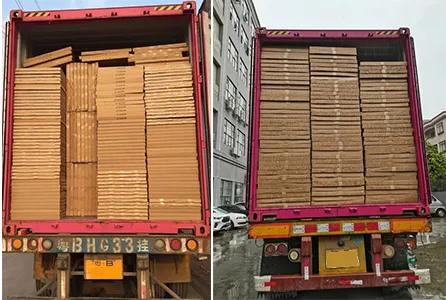
Shipping can make a big difference to total project cost. Flat-pack displays are often more efficient for export because they reduce storage space and freight cost. Packing methods, carton size, and shipping destination all influence the final landed cost.
Quick Buyer Table: What Usually Increases the Price?
| Cost Factor | What Increases the Cost | How to Control It |
|---|---|---|
| Structure | Complex shape, more shelves, more parts | Keep the structure practical and product-focused |
| Size | Larger dimensions and taller displays | Match display size to retail space and product count |
| Load Capacity | Heavy products and reinforced shelves | Share true product weight with the supplier early |
| Printing | Full-color coverage and premium finishing | Use premium effects only where needed |
| MOQ | Very small production runs | Ask for multiple quantity levels |
| Sampling | Multiple revisions and color proofs | Prepare clear product info and artwork in advance |
| Shipping | Bulky packing and inefficient carton layout | Choose flat-pack structures when possible |
What Buyers Should Prepare Before Asking for a Quote
Buyers who provide clear project details usually receive faster and more accurate quotations. Many delays happen because the supplier only receives a reference photo with no product dimensions, no weight, and no quantity information. That makes it difficult to estimate material usage, printing, structural support, and shipping arrangement.
Before asking for a quote, prepare the following information:
- product size and weight
- how many products the display should hold
- target display type such as floor, counter, peg, or dump bin
- target order quantity
- retail environment or store type
- artwork files, logo files, or visual references
- special finishing requirements
- shipping destination and packing preference
If you are still comparing different in-store formats, you can also review our retail display solutions to see which display type fits your product better.
[Insert Image 2 here: sample, dieline, size notes, and color swatches on a worktable | ALT: information needed for a cardboard display quote]
How to Reduce Cost Without Making the Display Look Cheap
Reducing cost does not always mean removing quality. Smart cost control usually comes from making the structure more efficient, avoiding unnecessary finishing, and choosing a packing method that reduces freight expense. A display can still look professional and attractive without using every premium printing option.
Here are several practical ways buyers can control cost:
- choose a simpler structure if the product does not require heavy reinforcement
- optimize the size so the display fits real retail space
- use standard finishing where premium effects are not necessary
- request flat-pack packing for better shipping efficiency
- prepare artwork correctly to reduce revision rounds
- ask for tiered pricing at different order quantities
In many cases, the lowest initial quote is not the lowest real project cost. A weak display that fails in-store, damages in shipping, or wastes retail space can become more expensive than a slightly stronger and better-planned design.
Counter Display vs Floor Display: Which One Usually Costs More?
In most projects, floor displays cost more than counter displays because they are larger, require more material, and usually carry more products. Counter displays are more compact and often simpler to produce, which helps control budget. However, cost should always be linked to the product goal. A counter display may be cheaper, but it will not work well if your product needs more visibility, higher load capacity, or stronger promotional impact.
For buyers working with packaging and display together, it is also useful to review our packaging capabilities so the retail presentation can stay consistent across both display and box design.
Sample Cost vs Mass Production Cost
Many buyers are surprised when sample pricing looks different from unit pricing in mass production. That is normal. Samples include extra manual work, structure testing, and revision time. Mass production becomes more efficient after the structure and artwork are approved, which is why the unit price often improves once the order moves into regular production.
Instead of focusing only on sample price, buyers should treat sampling as a quality-control step. A good sample can help avoid production errors, loading issues, and artwork problems later in the project.
Should Buyers Ask for One Quote or Several Quantity Levels?
It is usually better to ask for tiered pricing instead of just one number. For example, you can request pricing for 500 units, 1,000 units, and 3,000 units. This helps you understand how MOQ affects the unit price and whether increasing quantity would give you better overall value. It also helps buyers make better purchasing decisions when planning retail promotions or multi-store rollouts.
Useful Industry References for New Buyers
If you are new to corrugated display sourcing, learning a little about corrugated materials and structure standards can help you communicate more clearly with suppliers. The Fibre Box Association overview of corrugated is a useful starting point. The FEFCO code reference is also helpful for understanding common corrugated structure terminology.
Conclusion
So, how much does a custom cardboard display cost? The answer depends on structure, size, weight capacity, printing, MOQ, sampling, and shipping. Buyers who prepare complete information and ask the right questions usually get more accurate quotations, better sample results, and fewer delays during production.
If you are planning a new display project, you can contact us with your product details, target quantity, and display idea for a more accurate quotation.
FAQ
What is the biggest factor in custom cardboard display cost?
The biggest factors are usually structure, size, product weight, printing requirements, and order quantity.
Does lower MOQ always mean lower total cost?
Not always. A lower MOQ reduces the first order size, but it usually increases the unit price. Buyers should compare tiered pricing before making a decision.
Do I need a sample before mass production?
In most custom projects, yes. Sampling helps confirm structure, fit, and graphics before full production and reduces the chance of costly mistakes.
How can I reduce shipping cost for cardboard displays?
Flat-pack design, efficient carton packing, and optimized display dimensions usually help reduce freight and storage costs.
What should I send to get a more accurate quote?
You should send product size, product weight, target quantity, display type, artwork or references, and shipping information if available.