A cardboard display for warehouse clubs must do more than look attractive. It needs to hold bulk products, survive long retail hours, support fast replenishment, and still arrive in good condition after export packing. For B2B buyers, the best choice depends on product weight, selling location, refill method, and club-store display rules.
Warehouse clubs are different from supermarkets, pharmacies, and convenience stores. The shopper expects bulk packs, value packs, multipacks, seasonal cartons, and larger product volumes. That means the display structure must be planned around strength first, then visual impact.
Why Warehouse Club Displays Need a Different Structure
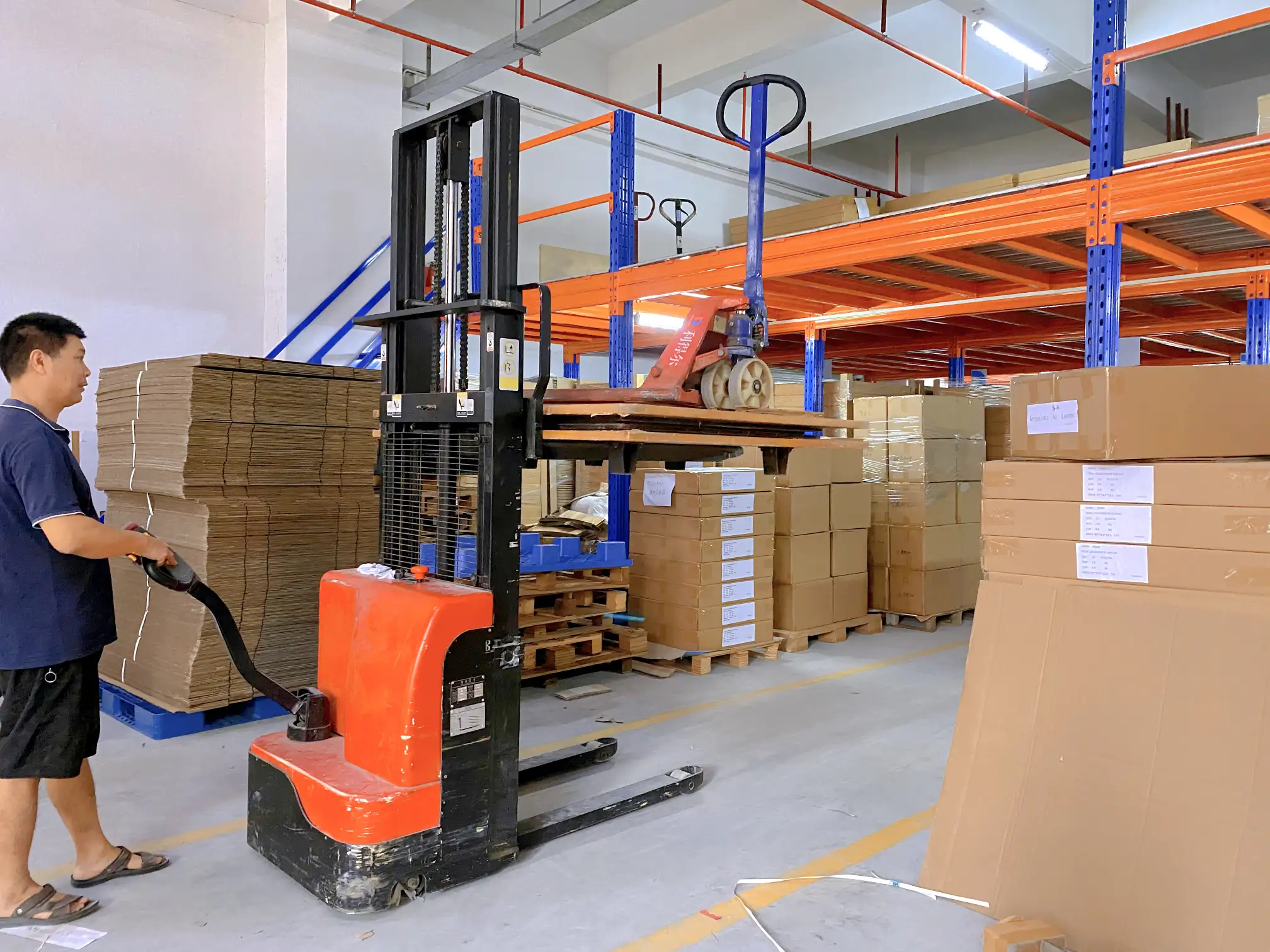
A standard floor display may work well in a chain store aisle, but warehouse clubs often need stronger and wider structures. Many products are sold directly from trays, cartons, pallet bases, or modular display units. The display must also match forklift handling, pallet movement, aisle spacing, and store replenishment routines.
From a manufacturer’s perspective, the key question is not “Which display looks best?” The better question is: “Which structure can sell the product safely, ship flat, assemble fast, and stay neat after repeated shopping?”
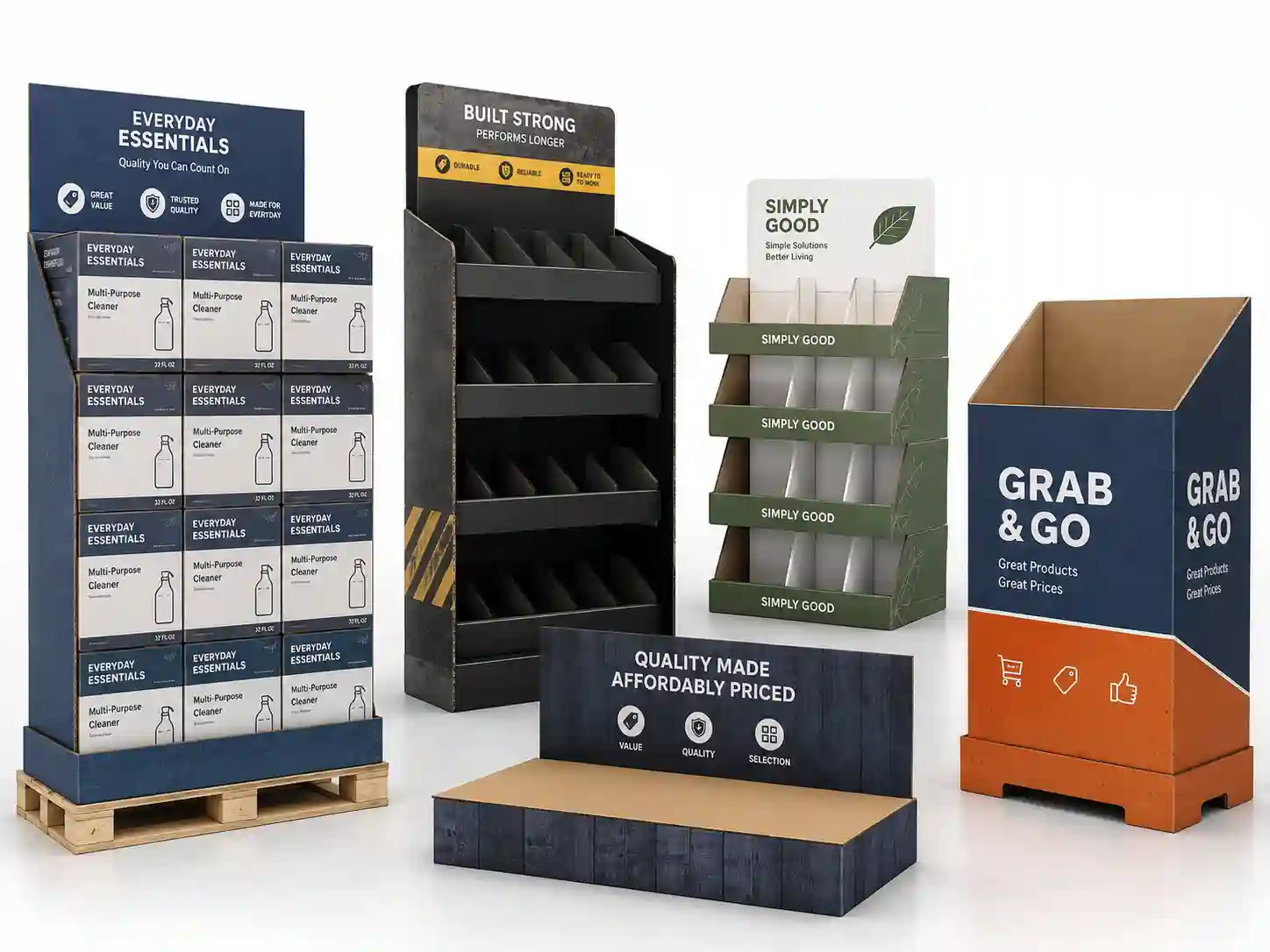
For many warehouse club projects, the best solution is a pallet display, pallet skirt with stacked trays, heavy-duty floor display, or PDQ tray system placed on a pallet. Each option has a different use case.
The Best Display Types for Warehouse Clubs
Pallet Displays for Heavy or Bulk Products
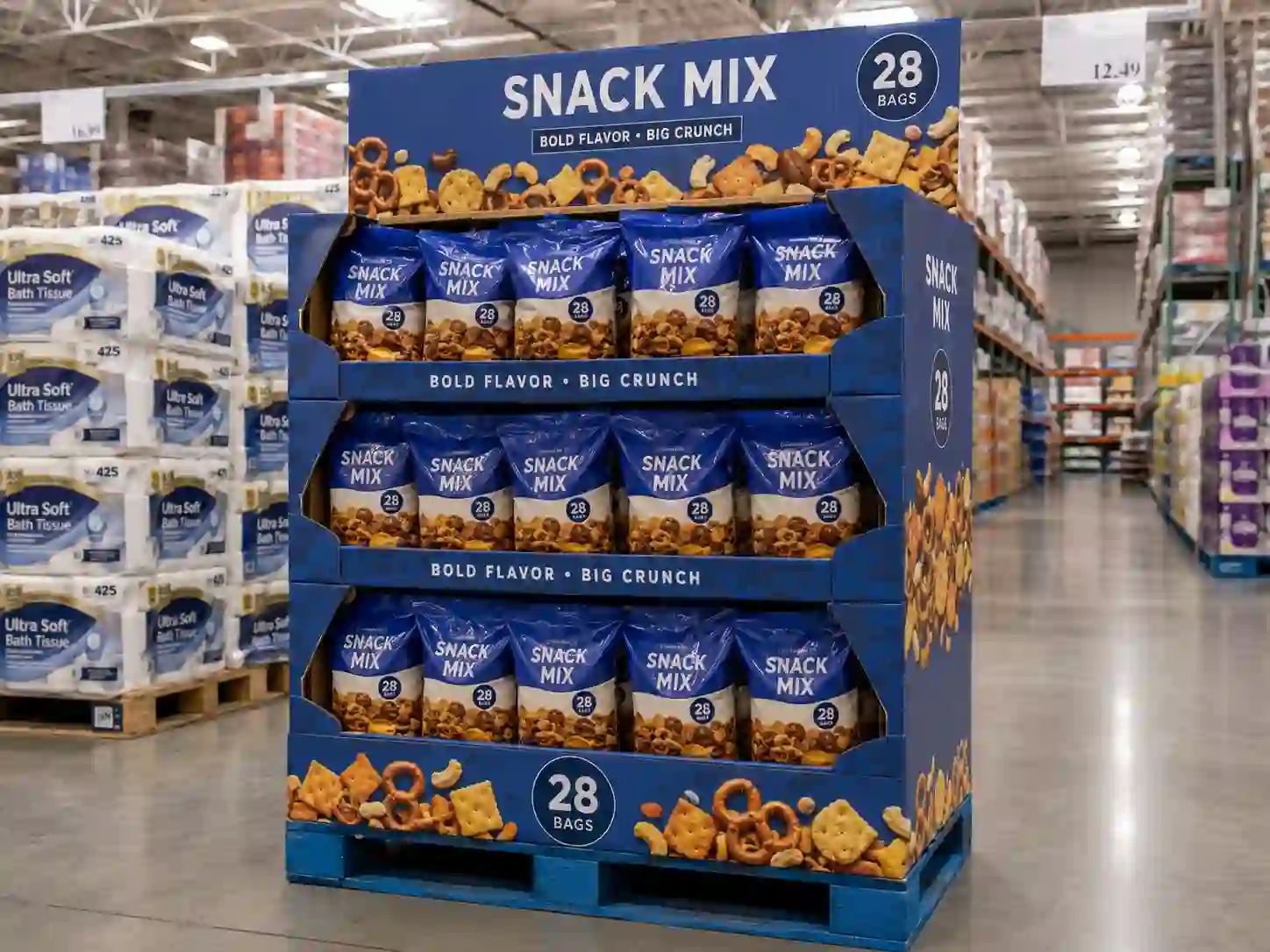
A pallet display is often the strongest choice for warehouse clubs. It works well for beverages, snacks, pet products, cleaning supplies, household goods, seasonal gift packs, and other high-volume items.
The product sits on or inside a pallet-ready structure. The display can include a printed pallet skirt, header card, side panels, tray layers, dividers, or stacked retail cartons. This format supports large product quantities and reduces the need for frequent restocking.
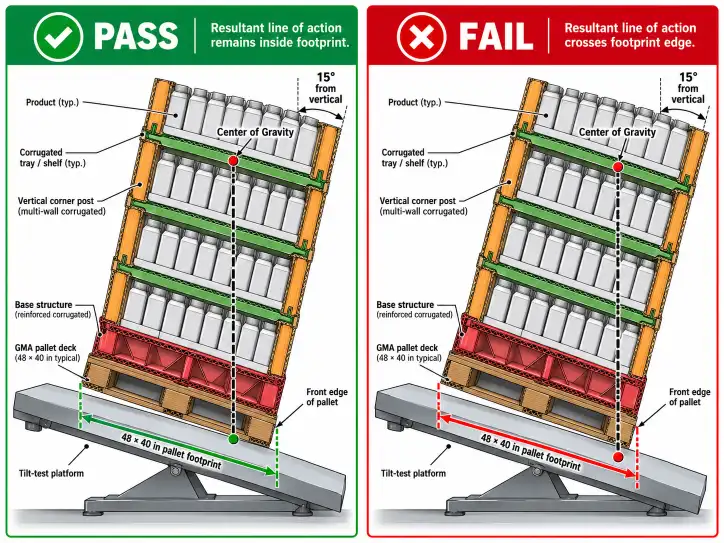
For heavy products, the display needs load-bearing planning. The paperboard grade, corrugated flute, support panels, internal dividers, tray height, and pallet layout all affect performance. A good manufacturer checks whether the display will carry weight through the base, sidewalls, or product cartons.
PDQ Trays for Case-Ready Selling
PDQ trays are useful when products are packed in smaller retail units but sold in quantity. In warehouse clubs, PDQ trays can be stacked, placed on shelves, or arranged on a pallet.
This option suits snacks, cosmetics multipacks, supplements, small tools, electronics accessories, and promotional items. A PDQ tray is easy for staff to place and refill. It also helps maintain product-facing order during busy sales periods.
For more information about display formats, buyers can review Leader Display’s custom cardboard display solutions and compare different structural options before starting a project.
Heavy-Duty Floor Displays for Medium-Weight Products
A heavy-duty floor display works well when the product needs stronger branding than a plain pallet stack but does not require a full pallet footprint. This display can include reinforced shelves, double-wall side panels, stronger back panels, and a wide base.
It suits boxed food, wellness products, home goods, promotional packs, small appliances, toy sets, and gift bundles. The shelf depth, shelf lip, product angle, and loading plan must be tested during sampling.
If the product is picked often, shelf strength and front-edge protection matter. A weak shelf lip can bend after repeated contact. A shallow tray can allow products to fall forward. These small details affect store appearance.
Dump Bin Displays for Loose or Flexible Products
Dump bins work well for lightweight or flexible goods, such as apparel packs, plush items, packaged snacks, seasonal accessories, and promotional products. In warehouse clubs, dump bins can create a strong value-shopping effect.
The structure needs a stable base, strong corner support, and a clear product opening. If the bin is too deep, shoppers may have trouble reaching products near the bottom. If the bin is too shallow, product capacity may be too low for warehouse club traffic.
Pallet Skirts and Header Combos for Simple Club Programs
For some club-store promotions, the product carton already provides much of the structure. In this case, a printed pallet skirt, header, and side graphics may be enough.
This is a cost-efficient option when the product is shipped in strong master cartons. It reduces display material cost while still giving the pallet a branded retail look. It also keeps assembly simple for store teams.
Quick Comparison Table for B2B Buyers
| Display Type | Best For | Key Structure Focus | Refill Method | Typical B2B Advantage |
|---|---|---|---|---|
| Pallet display | Heavy products, bulk packs, high-volume sales | Base strength, tray layers, pallet fit | Refill by carton or tray | Strong capacity and club-store impact |
| PDQ tray | Small products, multipacks, shelf-ready packs | Tray wall height, product facing, stack plan | Replace tray or refill units | Fast setup and clean product organization |
| Heavy-duty floor display | Medium-weight boxed goods | Reinforced shelves, side panels, base width | Refill by shelf | Better branding than plain cartons |
| Dump bin display | Lightweight flexible goods | Corner support, opening height, base stability | Top refill | High product capacity with simple shopping |
| Pallet skirt + header | Carton-based club promotions | Graphic wrap, header support, carton layout | Replace carton layers | Lower display material cost |
How to Choose the Right Cardboard Display for Warehouse Clubs
Start With Product Weight
Product weight decides the structure. A display for bottled drinks, detergent, canned food, or pet supplies cannot use the same board grade as a display for socks or small gift packs.
During project planning, provide the display manufacturer with unit weight, carton weight, full display loading weight, product dimensions, and expected quantity per display. This allows the engineering team to choose the correct corrugated grade and support method.
For heavy products, the structure may need double-wall corrugated board, reinforced partitions, inner support columns, thicker shelves, or load transfer through product cartons. The goal is to avoid bending, leaning, or base collapse during retail use.
Match the Display to Store Placement
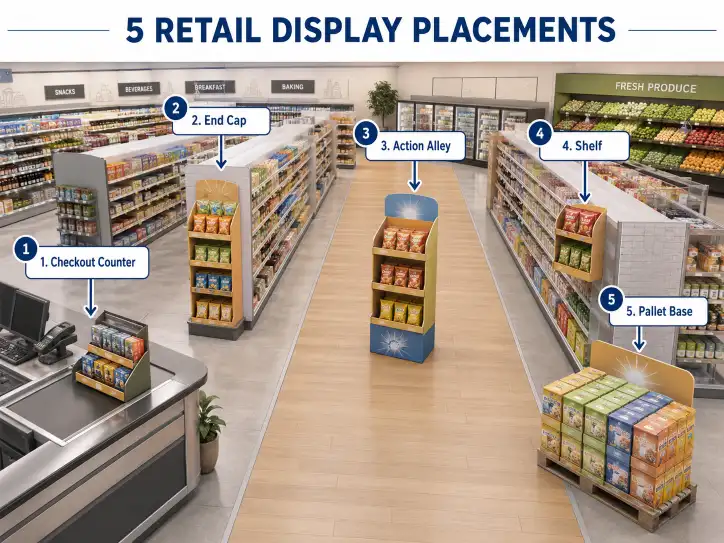
Warehouse club displays are often placed in wide aisles, endcaps, seasonal zones, entrance areas, or promotional rows. Placement affects display size and viewing angle.
A pallet display in a main aisle needs strong side graphics because shoppers may approach from multiple directions. A display placed against a wall may need a large front panel and header. A shelf-ready PDQ tray may need clear product-facing graphics instead of tall signage.
Good display design supports the way shoppers move. Big text, clean benefit points, and visible product access matter more than crowded artwork.
Plan for Assembly Time
Warehouse club programs often involve many display units. If the setup takes too long, store teams may damage the structure or skip parts. A practical display should include simple folding steps, clear locking tabs, and stable trays.
As a manufacturer, Leader Display often considers whether the display can be shipped flat, semi-assembled, or pre-packed. Flat packing usually saves freight cost, while pre-packed displays can reduce store labor. The best option depends on product value, packing method, destination country, and retailer requirements.
Material Choice and Structural Testing
Corrugated Board Selection
Material selection affects strength, printing quality, shipping cost, and assembly. For warehouse club displays, corrugated cardboard is often the main choice because it balances strength and printability.
Common decisions include single-wall versus double-wall corrugated board, flute type, surface paper, laminated printed sheets, and inner reinforcement. If the product is heavy, the display may need stronger load paths instead of thicker board alone.
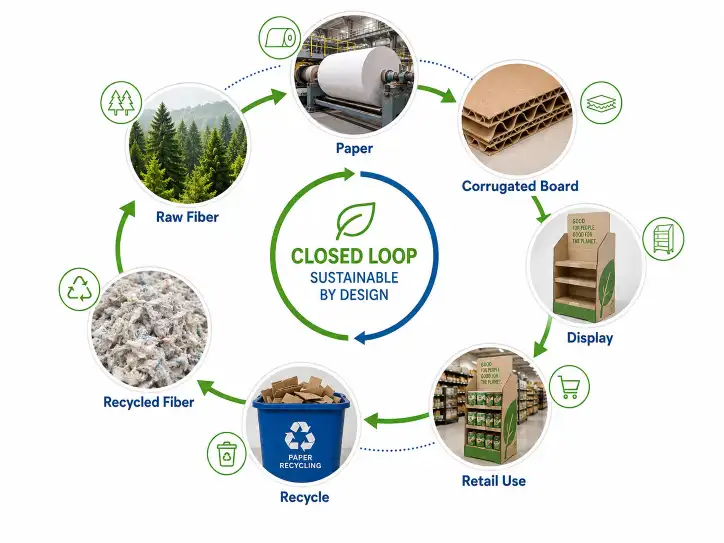
Buyers can reference packaging organizations and standards when discussing structure. FSC is relevant when buyers need responsible paper sourcing. ISO systems may relate to production quality management. FEFCO references can help when discussing corrugated packaging styles and transport cartons.
Sampling Before Bulk Production
Sampling is not a decoration step. It is a risk-control step.
For a cardboard display for warehouse clubs, sampling should check product fit, shelf loading, tray stability, header height, print alignment, folding lines, locking tabs, and packing method. If the display will hold heavy products, a loaded sample test is recommended before bulk production.
A practical sample review should answer these questions:
Can the display hold the planned quantity?
Can one person assemble it without tools?
Do products stay front-facing after handling?
Does the base remain stable when shoppers remove items?
Can the display fit the pallet and export carton plan?
These checks help prevent retail problems before production begins.
Printing and Branding for Warehouse Club Buyers
Large retail spaces need clear display graphics. The shopper may view the display from several meters away. This means the header, side panels, and front tray panels should communicate the offer fast.
For B2B buyers, the artwork should focus on product category, value message, usage occasion, quantity, and seasonal promotion. A warehouse club display does not need crowded copy. It needs clear hierarchy.
Many display projects use offset printing with lamination for better color and surface protection. Spot UV, foil stamping, or embossing can be used for premium campaigns, but structure should still come first. A beautiful display that cannot carry the product will fail in store.
Buyers who need broader format ideas can also explore Leader Display’s cardboard display product range before finalizing the structure.
Refill, Durability, and Store Operations
Refill Access
A strong display should be easy to refill. Store teams need quick access, especially during seasonal promotions or product launches.
For pallet displays, refill may happen by replacing tray layers, opening new carton layers, or topping up product units. For PDQ trays, the team can replace the full tray. For dump bins, top refill is common.
The display opening should match the refill method. If a tray wall is too high, shoppers may not see the product clearly. If it is too low, products may fall out during handling.
Keeping the Display Neat
Warehouse clubs receive heavy foot traffic. Shoppers pick products, compare packs, return items, and sometimes move cartons. The display must remain neat after repeated contact.
Simple features can help:
A front lip keeps products aligned.
Side dividers reduce product movement.
Printed tray fronts keep branding visible after products are removed.
A strong base keeps the display square.
Clear refill cartons help store staff reload the display in the correct direction.
These details may seem small, but they make a difference during a multi-week promotion.
Export Packing Considerations
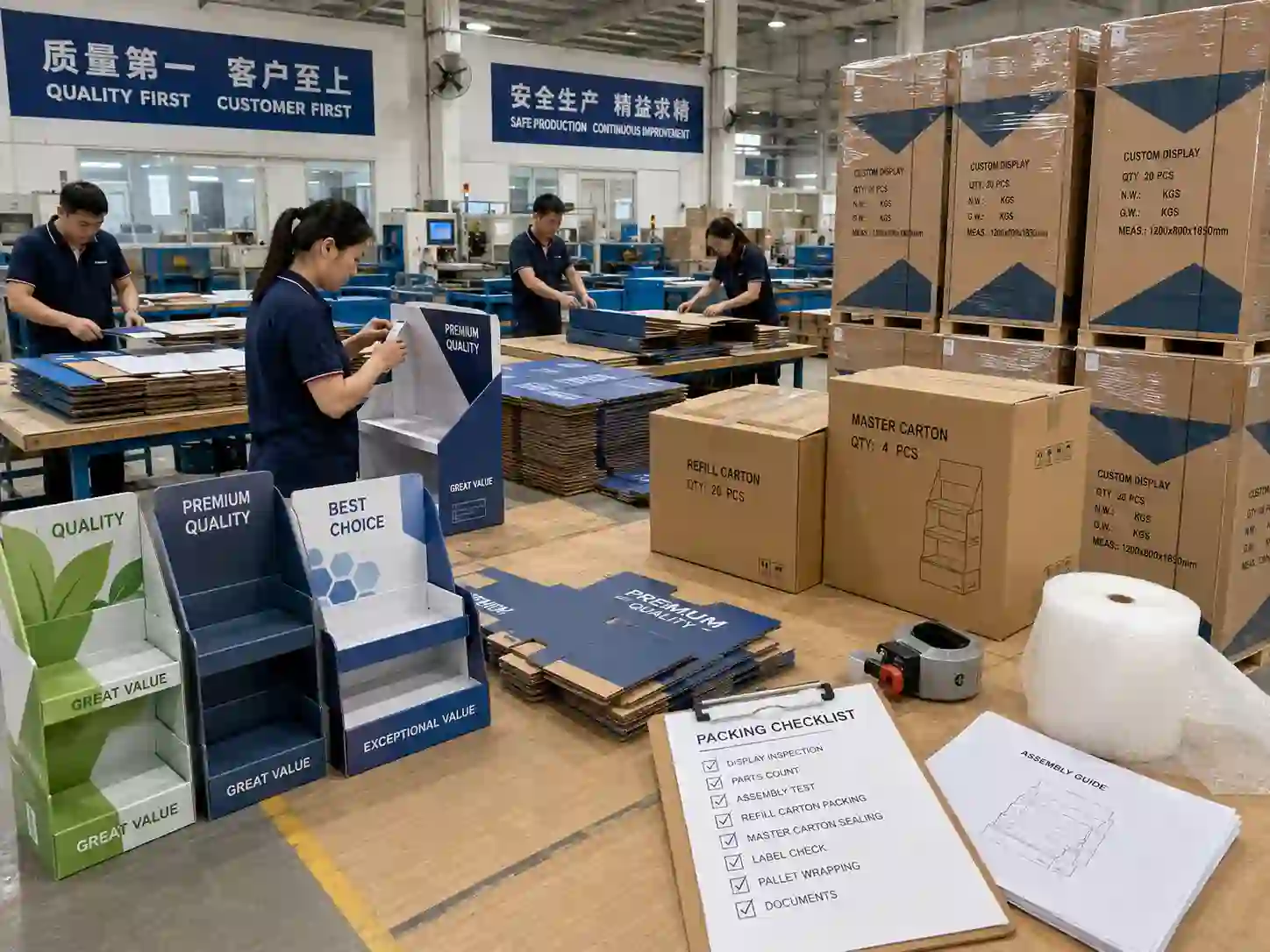
For international B2B projects, export packing is part of display design. A display may look good in the sample room, but it still needs to survive sea freight, warehouse transfer, customs inspection, and local delivery.
Leader Display usually considers flat-pack size, master carton strength, corner protection, pallet loading, moisture protection, label placement, and assembly instructions. If product samples are available, the team can check how the display parts and product cartons work together.
Flat packing is common for custom cardboard displays because it reduces shipping volume. However, some club displays may require semi-assembled parts or pre-packed trays. The decision depends on labor cost, retailer setup rules, and freight budget.
When a Pallet Display Is the Best Answer
A pallet display is often the best choice when the product is heavy, the sales volume is high, and the display must create a strong retail block. It gives the buyer more product capacity and supports the warehouse club shopping style.
Choose a pallet display when:
The product is sold in bulk packs or multipacks.
The promotion needs a large retail footprint.
The product weight requires pallet-level support.
The display must be easy to move in the store.
The buyer wants strong visibility from multiple sides.
For these projects, the display structure should be developed around the pallet size, product carton layout, loading quantity, and export packing plan.
When a PDQ or Tray System Works Better
A PDQ or tray system works better when the product is smaller, lighter, or sold in organized retail packs. It can also reduce assembly time because each tray can be packed and placed with less handling.
This is useful for cosmetics, health products, small electronics accessories, candy packs, stationery, and promotional items. The tray can be designed with a printed front panel, side walls, dividers, or tear-away shipping carton.
For warehouse club buyers, this format can offer a clean balance between product organization and fast replenishment.
How Leader Display Supports Custom Warehouse Club Projects
A good factory partner should not only print the display. It should help test whether the display can work in a warehouse club environment.
Leader Display supports custom cardboard display projects from structure planning to sample making, printing, finishing, bulk production, flat packing, and export packing. Since different buyers may need pallet displays, PDQ trays, dump bins, or reinforced floor displays, the structure should be built around the product and retail placement.
B2B buyers can share product size, unit weight, target quantity, display location, artwork direction, and packing requirements. With this information, the engineering and production team can suggest a practical structure and prepare a sample for review.
For buyers comparing suppliers, it helps to work with a factory that understands both display design and production limits. Leader Display’s custom retail display manufacturing experience can support brand owners, wholesalers, and purchasing teams that need dependable display programs for club-store promotions.
Practical Buying Checklist Before You Request a Quote
Before requesting a quote for a cardboard display for warehouse clubs, prepare the main project details. This reduces back-and-forth communication and helps the manufacturer quote the right structure.
Share the product dimensions and weight.
Confirm the quantity per display.
Define the display location, such as pallet floor, aisle, endcap, or shelf.
Explain whether the display should ship flat, semi-assembled, or pre-packed.
Provide artwork files or brand direction.
Confirm target market and export packing requirements.
Mention any FSC, ISO, or retailer packaging expectations.
Request a structural sample before bulk production.
These details allow the supplier to recommend a display that fits the product, store, and logistics plan.
Final Recommendation for B2B Buyers
For most warehouse club programs, start by considering a pallet display if the product is heavy, bulky, or sold in high volume. Consider PDQ trays when the product needs cleaner organization and faster refill. Use dump bins for lightweight value products and heavy-duty floor displays for medium-weight boxed goods that need stronger branding.
The right display should protect the product, support retail operations, reduce assembly problems, and present the brand clearly. When product weight, placement, refill, sampling, and export packing are planned together, a warehouse club display can move from concept to store floor with fewer production risks and better commercial impact.