A stronger cardboard display factory is not judged by a lower unit price alone. For B2B buyers, the true difference appears when the project moves from an idea to a retail-ready display that can hold product weight, match artwork, pack flat, ship safely, and assemble smoothly in store.
When comparing suppliers, look at three areas first: design understanding, sampling control, and mass production discipline. These points decide whether your cardboard display can support a product launch, supermarket promotion, chain store campaign, or seasonal retail program without costly rework.
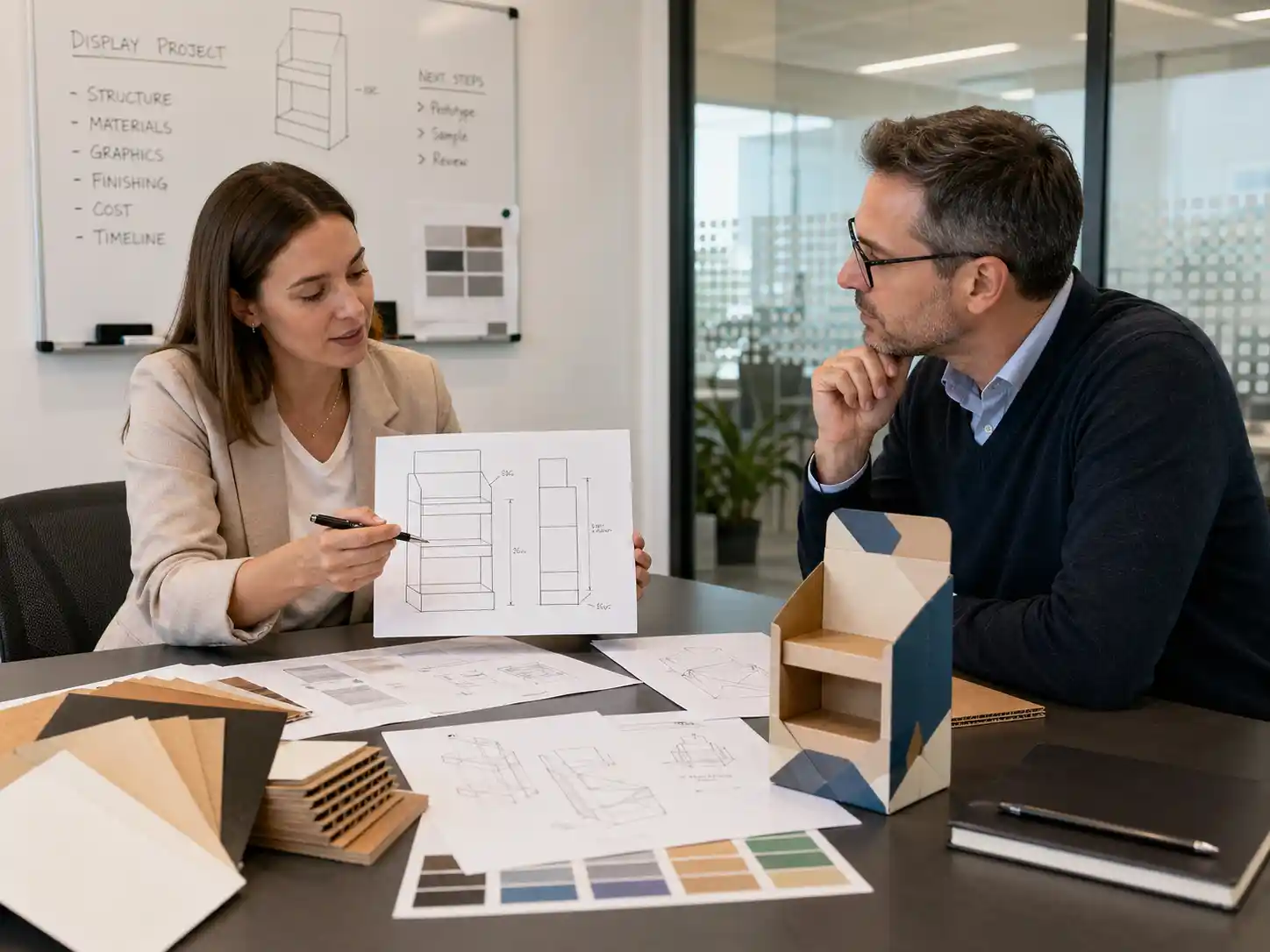
Why Cardboard Display Factory Strength Matters Before Quotation
Many buyers start by asking for a quick price. That is normal. But a cardboard display project is not a simple printed box order.
A display must sell products in a live retail space. It needs structure, printing, product fit, assembly logic, and packing protection. If the factory only quotes from a picture, key risks may stay hidden until sampling or bulk production.
A stronger supplier will ask practical questions before confirming price:
- What product will be placed on the display?
- What is the size and weight of each unit?
- How many units should each shelf or tray hold?
- Will the display stand on a floor, counter, pallet, or shelf edge?
- Will retail staff assemble it, or should it arrive pre-packed?
- What is the target store channel?
- Does the project need FSC paper, specific board grade, or retailer compliance support?
These questions are not delays. They protect the project.
For buyers planning a new retail display, custom cardboard display solutions are easier to evaluate when the supplier can connect structure, artwork, sampling, and production from the beginning.
Comparing Cardboard Display Design Capability
Design strength is not only about making a display look attractive. In B2B retail programs, design must balance selling impact with production feasibility.
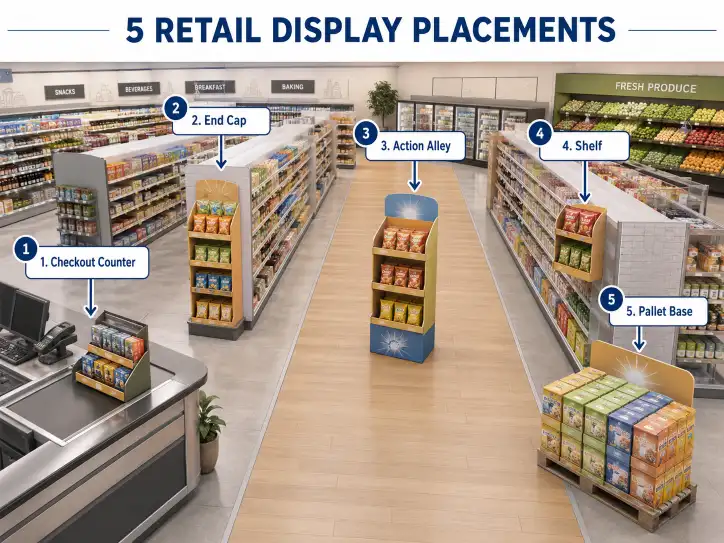
A factory with stronger design capability will consider the display type, product load, store position, packing method, and assembly sequence before creating the structure. This matters for PDQ displays, counter displays, sidekick displays, peg hook displays, floor displays, pallet displays, dump bin displays, and paper display stands.
Structure Must Match Product Weight
A lightweight cosmetic item does not need the same support as bottled drinks, hardware products, pet food, or multi-pack snacks. The cardboard display structure should be built around real product weight.
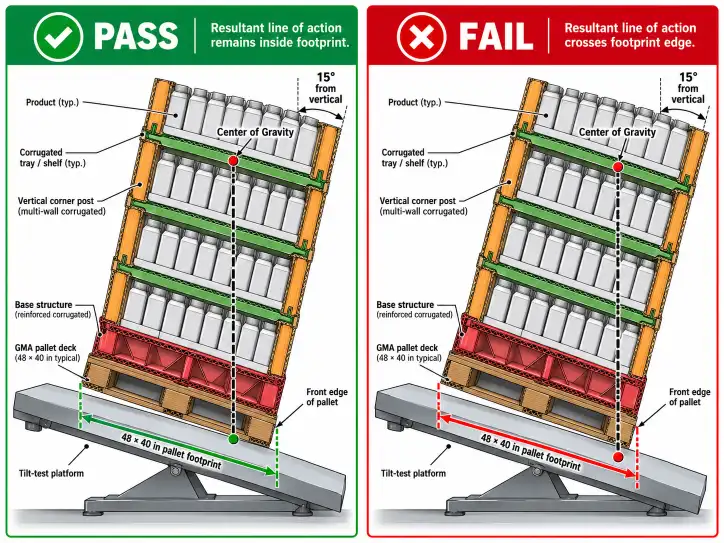
For example, a counter display for small beauty items may use a simple tray and divider system. A floor display for beverages may need reinforced shelves, stronger side panels, back support, and careful weight distribution. A pallet display needs even more attention because product cases may be stacked higher and handled during transport.
Weak structure causes shelf bending, leaning side panels, damaged graphics, and poor store presentation.
A capable factory checks:
- Board thickness and flute direction
- Shelf depth and load-bearing area
- Support tabs, locking panels, and side strength
- Product contact points
- Center of gravity
- Store assembly process
- Flat packing pressure during export shipping
Small details decide the result.
Artwork Must Work With the Display Shape
A cardboard display is both a structure and a communication tool. The printed graphics must fit the die line, shelf lips, header panel, side panels, and product visibility area.
A good supplier checks whether important artwork will be cut, folded, blocked by products, or hidden after assembly. For retail promotions, the front lip, header, and side panels often carry the most important message. These areas should stay clean and readable.
Brand teams may focus on artwork first. Purchasing teams may focus on cost. Retail teams may focus on store setup. A strong display manufacturer connects these needs into one workable plan.
Sampling Shows the Real Factory Level
Sampling is where a cardboard display project becomes visible. It is also where many supplier differences become clear.
A weak sample may look acceptable in photos but fail when real products are placed on it. A stronger sample shows whether the display can handle product size, load, print alignment, tray fit, insert design, and assembly steps.
What a Useful Sample Should Confirm
A sample should not be treated as a decoration. It should answer production questions.
Useful sample checks include:
- Product fit inside trays, slots, hooks, or compartments
- Shelf strength under expected load
- Header panel stability
- Print color direction compared with approved artwork
- Lamination, spot UV, embossing, or foil effect if used
- Folding lines and locking tabs
- Assembly speed and difficulty
- Packing size after flat folding
- Risk of abrasion during shipping
- Retail presentation after product loading
For a paper display stand, the sample should also confirm store placement. A slim sidekick display may need to hang or stand near shelves. A counter display should not take too much cashier space. A floor display should be stable enough for shoppers to interact with it.
You can learn more about in-store selling support through paper display stands for retail, especially when comparing how different display types work in retail environments.
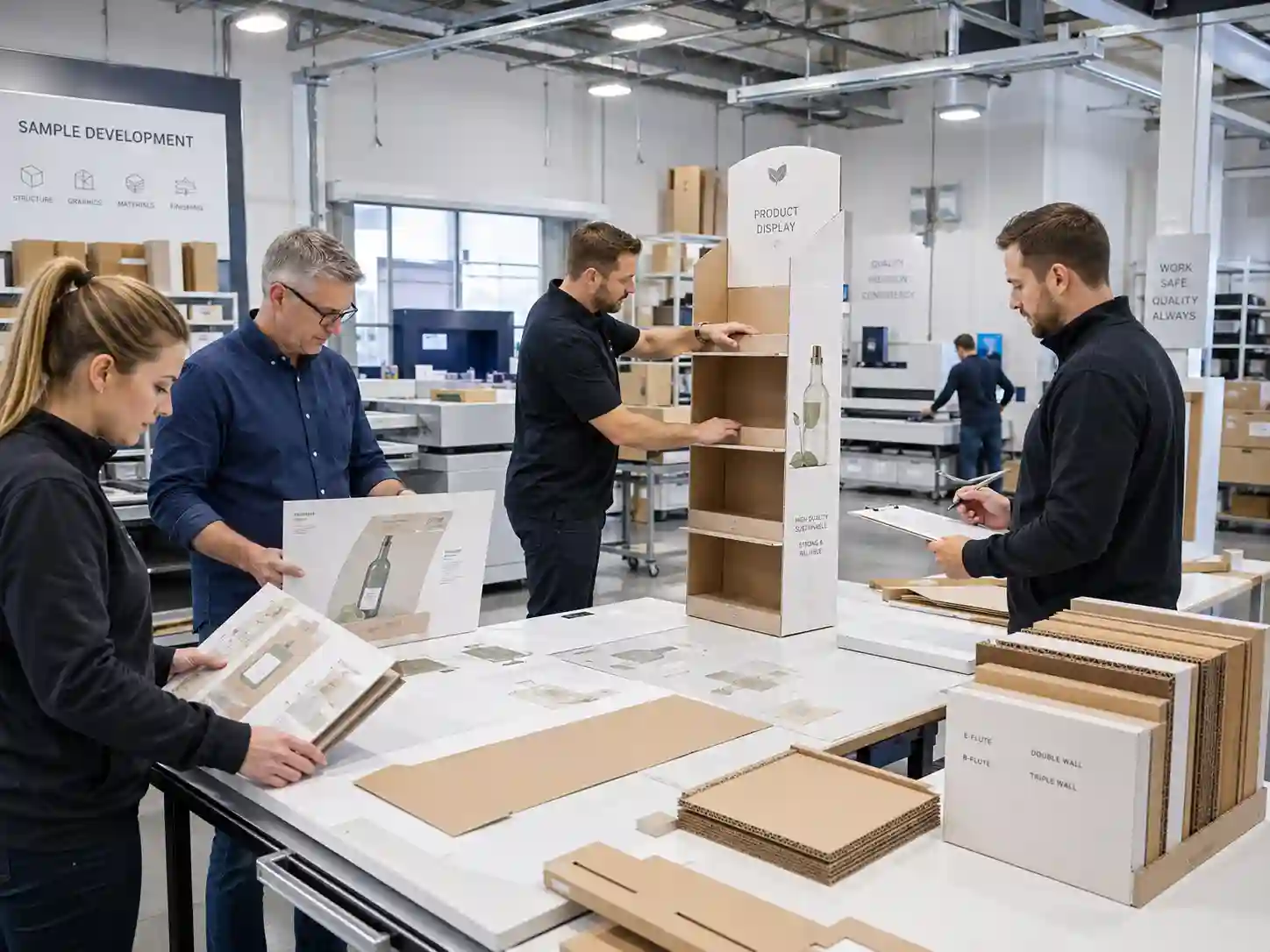
Cardboard Display Production Control Is the Real Test
A sample proves the idea. Mass production proves the factory.
This is where supplier strength becomes measurable. Can the factory keep structure, color, cutting accuracy, folding quality, packing method, and schedule consistent across hundreds or thousands of units?
Material Selection Should Not Be Guesswork
Different cardboard display projects need different board combinations. A display for lightweight skincare products may use paperboard with corrugated support. A display for drinks or food packs may need stronger corrugated board and reinforced shelf design.
Material selection should consider:
- Product weight per facing
- Total display load
- Display height
- Shelf span
- Store environment
- Flat packing method
- Export carton strength
- Expected handling during shipment
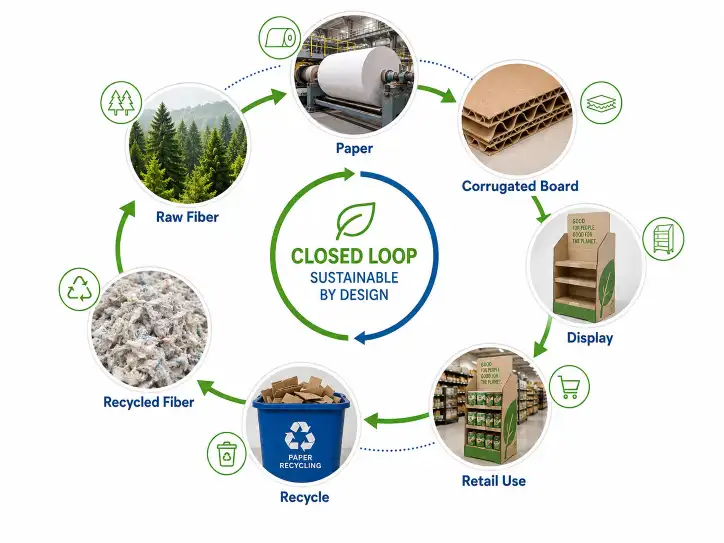
If sustainability or paper sourcing is important, buyers may request FSC-related support or documentation from official certification bodies. If quality management is part of the buying process, ISO-style production control may also be discussed during supplier evaluation.
A practical factory does not overpromise. It explains which material is needed and why.
Printing and Finishing Must Stay Consistent
Cardboard display printing is not only about bright colors. It must stay consistent across panels and production batches.
In retail, uneven color can make the display look unprofessional beside branded products. Poor lamination may scratch during packing. Incorrect folding pressure may crack printed surfaces.
Production teams should check:
- Artwork file resolution
- Color reference or proof approval
- Print registration
- Coating or lamination effect
- Folding line pressure
- Surface scratches
- Ink rub resistance
- Panel alignment after assembly
For seasonal campaigns or product launches, timing is often tight. A supplier with organized pre-production checks can reduce mistakes before bulk printing starts.
Supplier Comparison Table for B2B Buyers
The table below helps buyers compare cardboard display factories beyond price.
| Buying Factor | Weak Supplier Signal | Stronger Factory Signal | Why It Matters |
|---|---|---|---|
| Structure design | Quotes from picture only | Checks product size, weight, load, and placement | Reduces shelf bending and unstable displays |
| Sampling | Sends appearance sample only | Tests product fit, assembly, print, and strength | Finds problems before mass production |
| Material choice | Uses one standard board for all projects | Selects board based on display type and load | Improves safety and retail performance |
| Printing control | No clear proof process | Confirms artwork, color, finishing, and die line | Protects brand presentation |
| QC process | Checks after packing only | Checks material, printing, cutting, assembly, and final packing | Catches problems earlier |
| Packing method | Basic carton packing | Flat packing, export carton, edge protection, and assembly logic | Reduces shipping damage |
| Communication | Gives short answers | Explains trade-offs and asks project questions | Helps buyers make practical decisions |
| Production planning | Unclear timeline | Confirms sample, approval, bulk production, inspection, and shipment stages | Supports launch schedule |
How to Compare Sampling, QC, and Mass Production
A cardboard display project should move through a controlled process. Each stage has a different purpose.
Stage 1: Project Review
The supplier should review product information, display goals, retail channel, quantity, and lead time. A clear project review helps avoid wrong assumptions.
Useful details to send include:
- Product photos
- Product size and weight
- Number of products per display
- Target display type
- Reference structure
- Artwork file or brand guide
- Quantity range
- Packing preference
- Expected shipment plan
This gives the factory enough information to suggest a practical solution.
Stage 2: Structural Proposal
The next step is structure planning. The factory may suggest a PDQ display, counter display, sidekick display, peg hook display, floor display, pallet display, or dump bin display depending on the product and retail setting.
The proposal should explain how the display will hold products, how it will be assembled, and how it will be packed. A strong factory can also point out risks. For example, a narrow floor display with heavy product at the top may need a wider base or lower product placement.
Stage 3: Sample Development
Sampling should confirm structure and presentation before bulk order. For printed samples, buyers should check product fit, color direction, finishing effect, display stability, and packing size.
Do not approve a sample only from a front-view photo. Ask for assembled views, side views, product-loaded views, and flat-packed views when possible.
Stage 4: Pre-Production Confirmation
Before mass production, the factory should confirm final artwork, material, die line, quantity, packing method, carton marking, and inspection points.
This stage is important for retail display packaging because several teams may be involved: marketing, procurement, logistics, and retail operations.
Stage 5: Bulk Production and Inspection
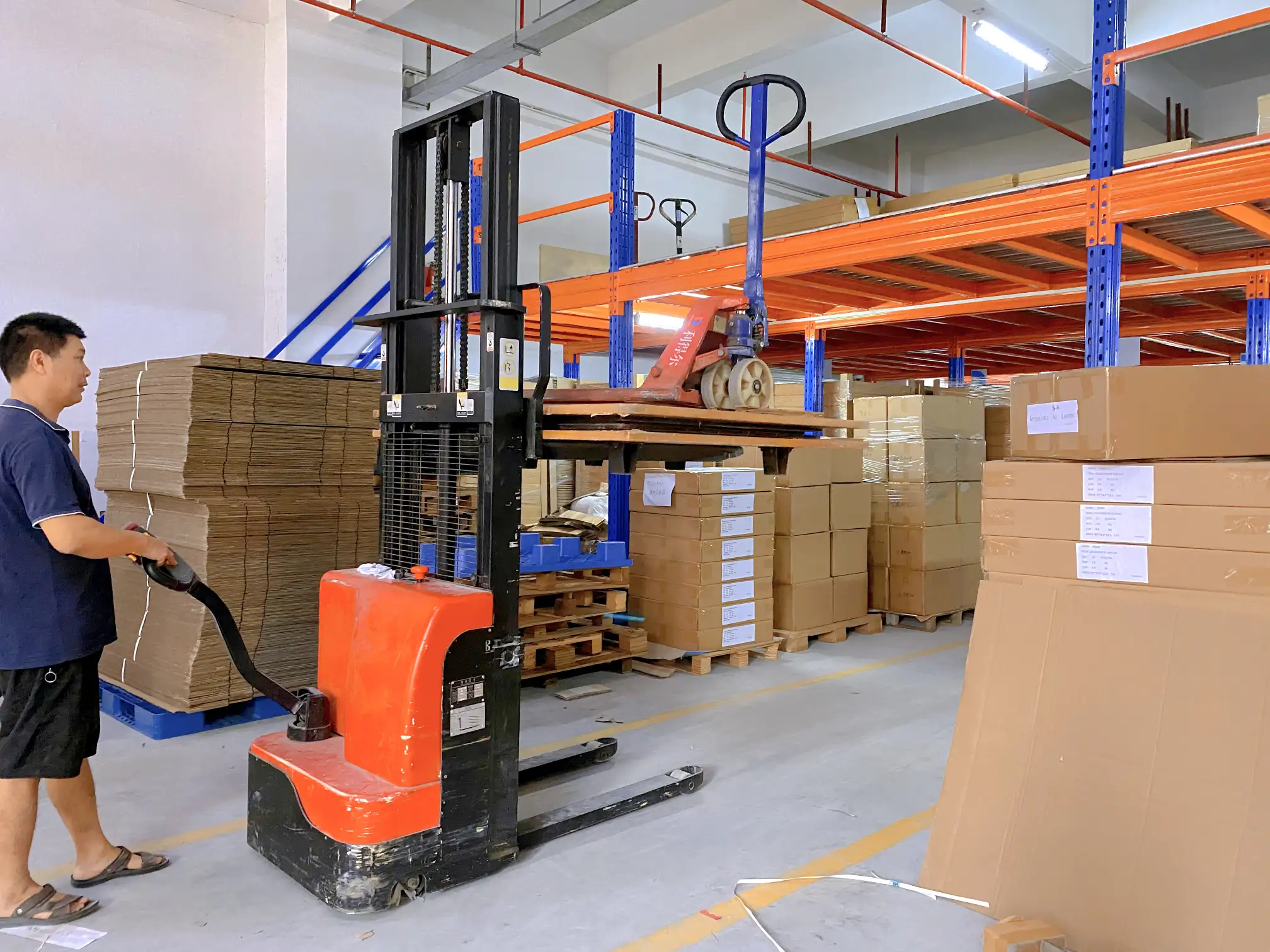
Bulk production should include checks at different points, not only at the end. Material inspection, printing review, cutting accuracy, folding test, assembly test, and carton packing inspection all matter.
A stronger factory documents the process and communicates if something needs adjustment.
Packaging and Shipping Protection Can Decide the Final Result
Many cardboard display problems happen after production. Displays may look correct in the factory but arrive with crushed corners, scratched graphics, or bent panels.
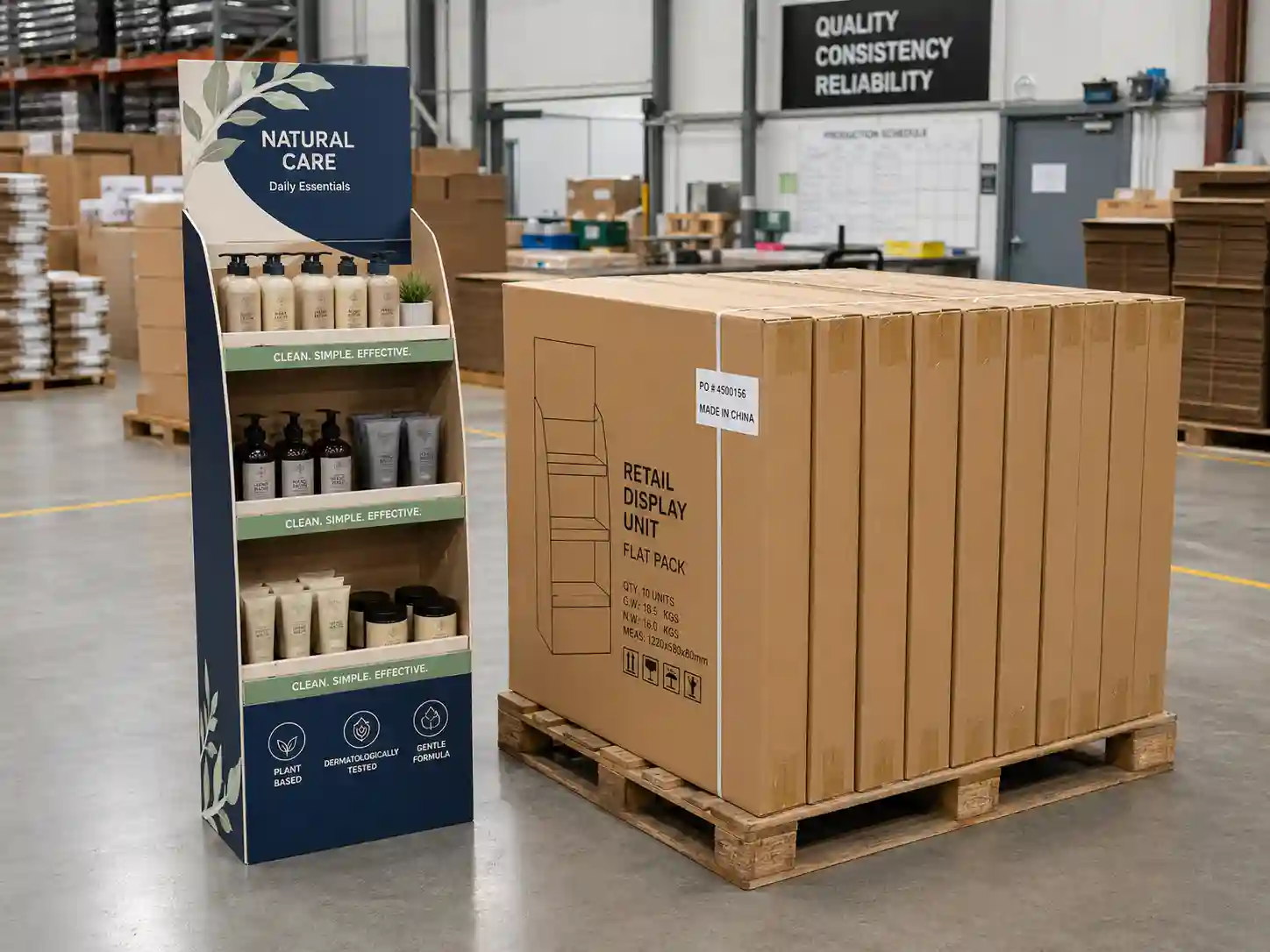
Flat packing is common for export orders because it saves space. But the packing plan must protect printed surfaces and structural parts. Export cartons should match display size, weight, and shipping route.
A practical packing plan may include:
- Flat-packed display components
- Clear assembly grouping
- Protective paper between printed panels
- Reinforced outer cartons
- Edge or corner protection
- Carton labels for easy sorting
- Assembly instruction sheet
- Sample carton drop or handling review when needed
For retail programs, assembly logic is part of shipping success. If store staff cannot understand how to assemble the display, the project may fail at the final step.
Questions to Ask Before Choosing a Cardboard Display Factory
Before selecting a supplier, ask questions that reveal the factory’s working method.
Use this checklist during comparison:
- Can you suggest the right display structure based on our product size and weight?
- Can you make a sample with real product loading?
- How do you choose the board material?
- Can you review artwork against the die line before printing?
- What checks do you do before bulk production?
- How do you inspect printing, cutting, folding, and assembly?
- How will the displays be packed for export shipment?
- Can you support flat packing and clear assembly instructions?
- What information do you need from us before giving a reliable quotation?
- How do you handle structure changes after sample review?
The answers will show whether the supplier understands display production as a complete project.
A Stronger Cardboard Display Factory Helps Buyers Make Decisions
The stronger cardboard display factory is the one that helps buyers reduce uncertainty. It does not only provide a price. It helps confirm structure, material, sample performance, printing quality, packing safety, and mass production control.
For B2B buyers, that support matters when a display needs to arrive on time, look consistent, hold products safely, and work in real retail conditions.
When preparing an inquiry, send product size, product weight, display type, quantity, target retail channel, artwork status, packing method, and expected lead time. With those details, Leader Display project support can review the project more clearly and help move the idea toward a workable custom display plan.