Struggling to make your sunglasses stand out? An effective display can transform customer interest and drive sales, but the wrong one will just gather dust.
The right sunglasses display not only showcases your products but also protects them and enhances your store's aesthetic. From sleek, modern designs to rustic, wooden stands, the perfect display solution aligns with your brand and space.
Choosing the right display can feel overwhelming with so many options available. It’s not just about aesthetics; it’s about functionality, security, and creating an experience that encourages customers to try on and purchase. Let's explore how to select the best display to elevate your brand and boost your sales.
What Are the Main Types of Sunglasses Displays Available?
Tired of cluttered and unappealing sunglasses displays? The right display type can dramatically improve your store's look and feel, making it easier for customers to browse and buy.
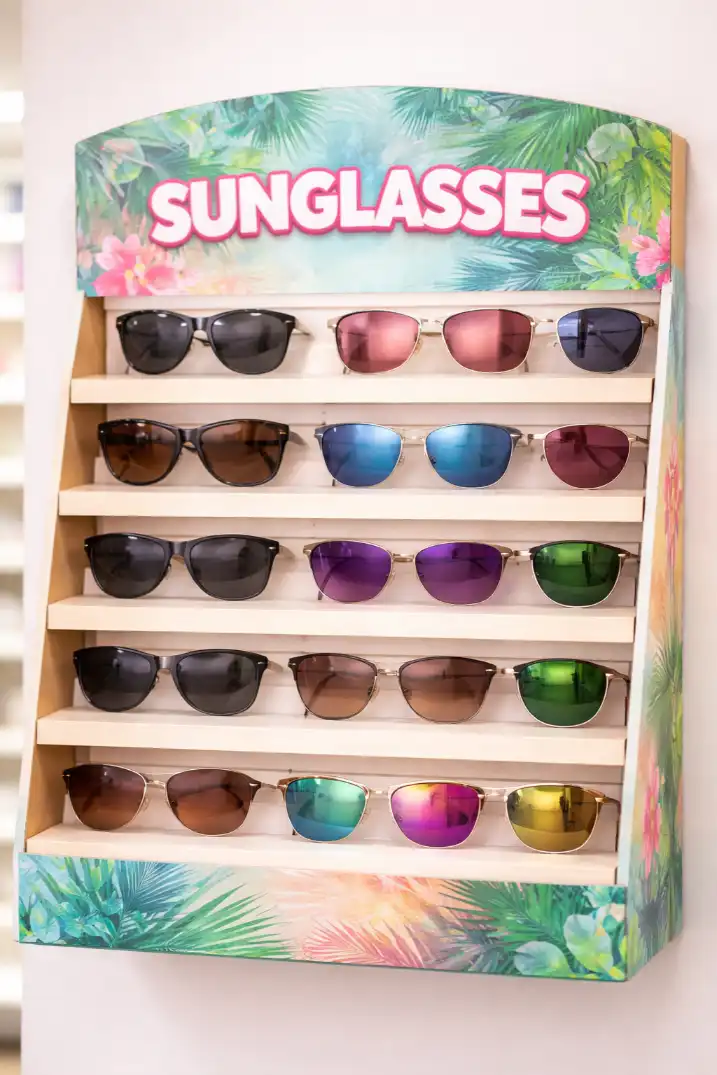
From wall-mounted units to rotating floor stands, the main types of sunglasses displays include cabinet, wall-mounted, tabletop, and freestanding displays. Each offers unique benefits for showcasing your eyewear collection effectively. [1]
When I first started in the display industry, I remember a client who was struggling with low sunglasses sales despite having a premium collection. Their displays were basic, hidden in a corner, and did little to attract customers. We worked together to replace their old, ineffective displays with a combination of well-lit, wall-mounted units and interactive tabletop displays. The transformation was immediate. Customers were drawn to the bright, organized displays, and sales increased by over 40% in the first month. This experience taught me a valuable lesson: the right display isn't just a fixture; it's a powerful sales tool. To help you choose the best option for your store, let's break down the different types of displays in more detail.
Understanding the Options
Choosing the right display depends on your store's layout, the size of your collection, and your brand's image. Here’s a closer look at the most common types of sunglasses displays:
| Display Type | Best For | Key Advantages |
|---|---|---|
| Cabinet Displays | High-end, luxury eyewear | Provides security, reduces dust, and creates a premium feel. [1] |
| Wall-Mounted Displays | Smaller stores or maximizing space | Utilizes vertical space efficiently, can be backlit for added appeal. [1] |
| Tabletop Displays | Promoting specific collections or new arrivals | Versatile, easy to change, and encourages customer interaction. [1] |
| Freestanding Displays | Large collections and high-traffic areas | High capacity, can be rotated, and are often budget-friendly. [1] |
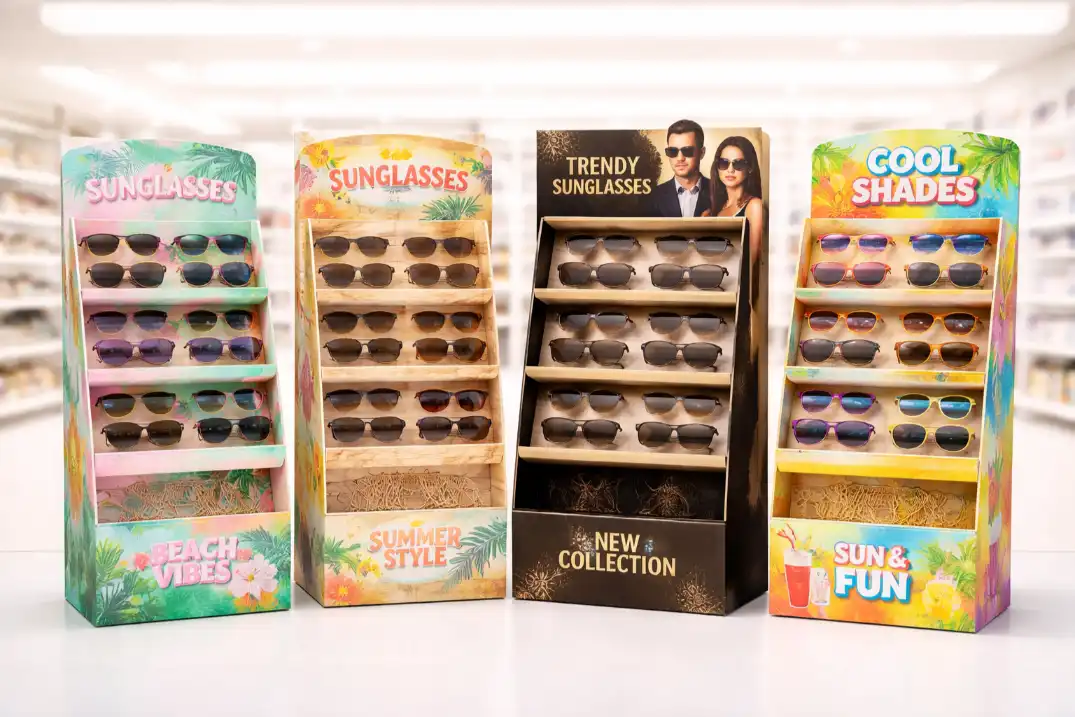
These are just the basic categories, and within each, there are countless variations. For instance, freestanding displays can be gondolas, dump bins for impulse buys, or even elaborate display cases for high-value items. The key is to think about how your customers will interact with the display and what will best showcase your products. A combination of different display types often works best to create a dynamic and engaging retail environment.
How Can You Customize a Display to Match Your Brand?
Are generic displays failing to capture your brand's unique identity? A custom display can create a memorable brand experience that resonates with your customers and sets you apart from the competition.
Customization allows you to incorporate your brand's logos, colors, and specific design elements into the display. This ensures that every aspect of the display, from the materials used to the overall layout, reflects your brand's personality and values.
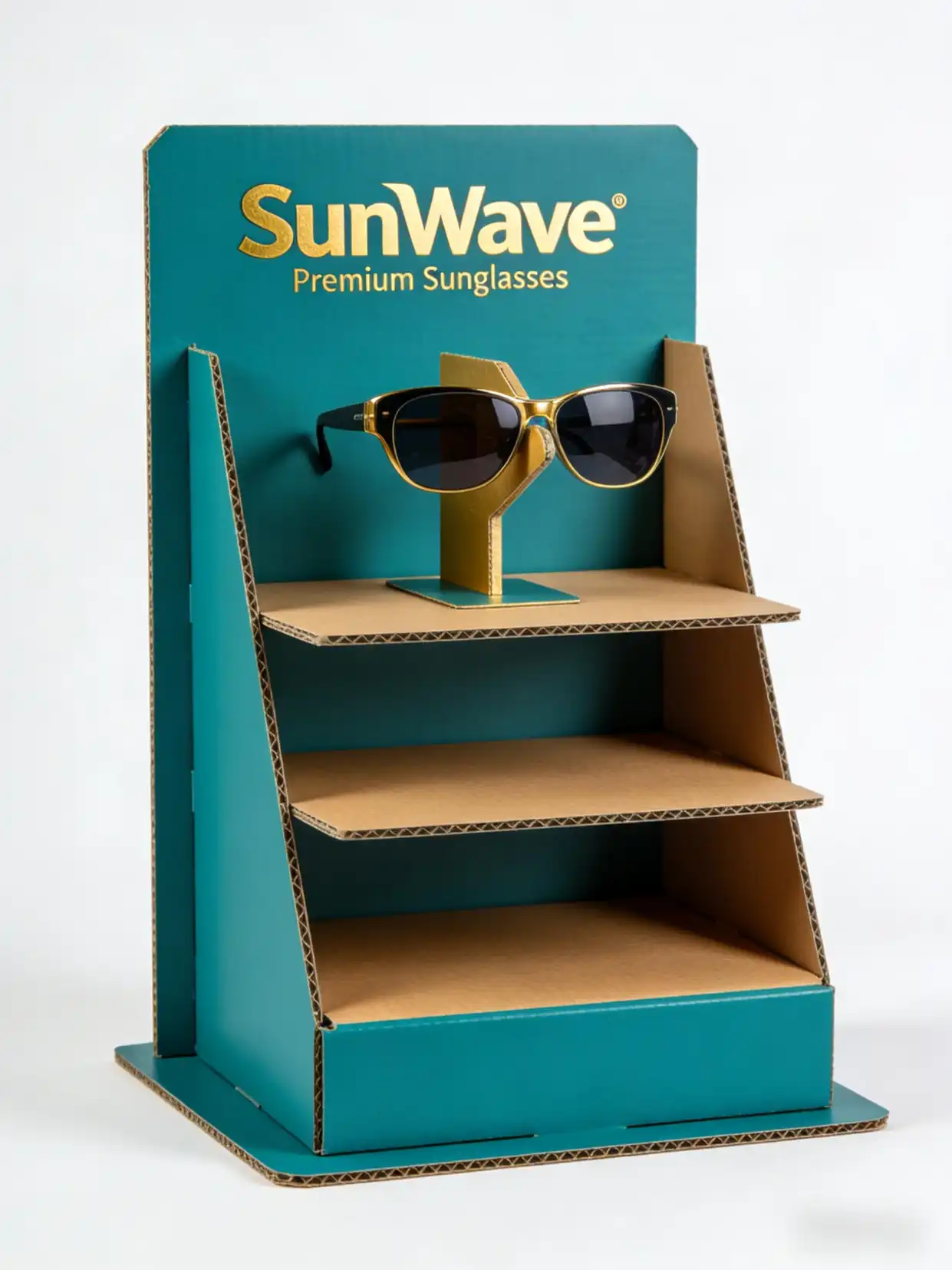
I once worked with a startup that had a fantastic line of eco-friendly sunglasses but was using standard, off-the-shelf acrylic displays. Their branding was all about sustainability, but their displays didn't reflect that. We designed custom displays made from reclaimed wood and recycled materials. This not only aligned with their brand's message but also created a compelling story that resonated with their target audience. Customers were not just buying sunglasses; they were buying into the brand's philosophy. This is the power of customization. It goes beyond just looking good; it's about creating a cohesive and authentic brand experience.
Bringing Your Brand to Life
Customization is where you can truly get creative and make your displays an integral part of your brand's story. Here are some key areas to focus on when designing a custom display:
- Materials and Finishes: The materials you choose can say a lot about your brand. Wood can create a warm, natural feel, while metal and acrylic can convey a more modern and sleek aesthetic. Consider using unique finishes or textures to add another layer of brand personality.
- Branding Elements: Your logo, brand colors, and tagline should be seamlessly integrated into the display. This can be done through printing, engraving, or even illuminated signage. Remember to keep branding consistent across all your displays to create a unified look.
- Layout and Functionality: The layout of the display should not only be visually appealing but also practical. Think about how many pairs of sunglasses you need to display, how you want to categorize them, and how you can make it easy for customers to try them on. Features like built-in mirrors and storage can greatly enhance the customer experience. [3]
- Lighting: The right lighting can make a world of difference. Backlighting, spotlights, or LED strips can be used to highlight your products and create a more dramatic effect. [3] Think about how lighting can be used to draw attention to specific features of your sunglasses.
By focusing on these elements, you can create a custom display that is not only beautiful but also a powerful tool for building brand recognition and driving sales.
What Are the Best Practices for Arranging Sunglasses on a Display?
Are your sunglasses getting lost in a sea of clutter? A well-arranged display can guide your customers' eyes to the right products and make the shopping experience more enjoyable.
The key to an effective arrangement is to create a visual hierarchy and tell a story with your products. This can be achieved through techniques like color blocking, grouping by style, and using props to create a theme.
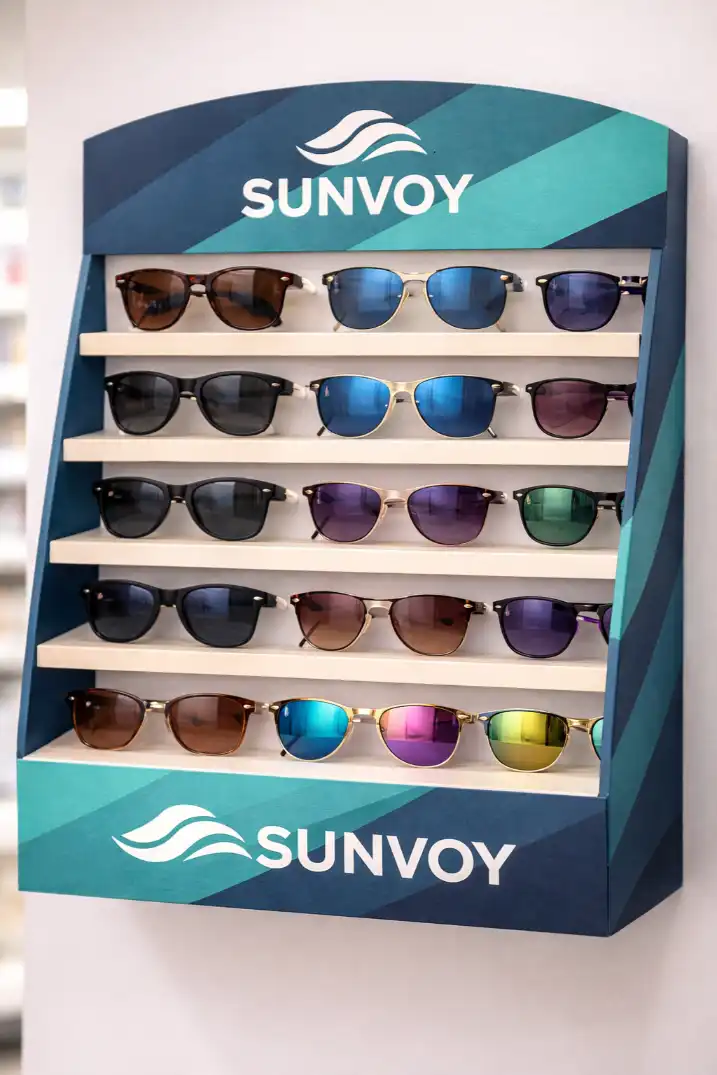
In my years of designing displays, I've learned that a "less is more" approach is often the most effective. I remember visiting a store where the owner had crammed every single pair of sunglasses they owned onto a single display. It was overwhelming for customers, and as a result, very few pairs were being sold. We worked together to declutter the display, organizing the sunglasses by brand and style, and leaving plenty of empty space. We also added a few simple props to create a more curated look. The result was a much more inviting and shoppable display, and sales started to climb.
Creating a Visually Appealing Layout
Arranging sunglasses on a display is both an art and a science. Here are some best practices to help you create a layout that is both visually appealing and effective at driving sales:
- Create a Focal Point: Your display should have a clear focal point that draws the customer's eye. This could be a new arrival, a best-seller, or a particularly eye-catching pair of sunglasses. Use lighting or a unique prop to highlight this focal point.
- Group by Category: Grouping sunglasses by category makes it easier for customers to find what they're looking for. You can group by brand, style (e.g., aviator, wayfarer, cat-eye), color, or even price point.
- Use Color to Your Advantage: Color blocking, or arranging sunglasses in blocks of color, can create a visually stunning effect. You can also use a color story to create a specific mood or theme. For example, you could create a display with all-black sunglasses for a chic, sophisticated look, or a display with a rainbow of colors for a fun, playful vibe.
- Tell a Story: Use props and signage to tell a story with your display. For example, you could create a beach-themed display with sand, seashells, and a backdrop of a tropical beach. This helps to create an emotional connection with the customer and makes the shopping experience more memorable.
- Leave Some Breathing Room: Don't overcrowd your display. Leaving some empty space will make your display look more curated and high-end. It also makes it easier for customers to see and appreciate each individual pair of sunglasses.
By following these best practices, you can create a sunglasses display that is not only beautiful but also a powerful tool for driving sales and enhancing the customer experience.
Conclusion
Finding the perfect sunglasses display is about more than just aesthetics; it's about creating an experience. The right display will showcase your products, reinforce your brand, and ultimately drive sales.