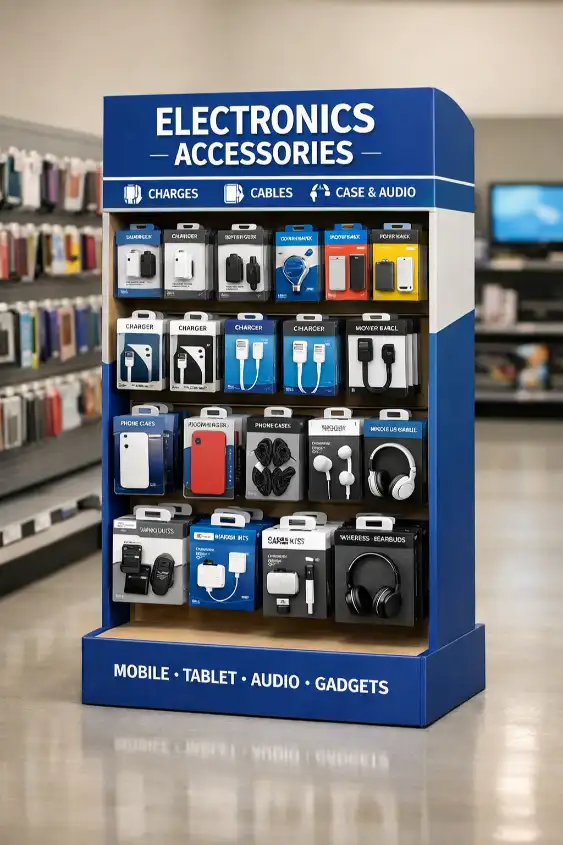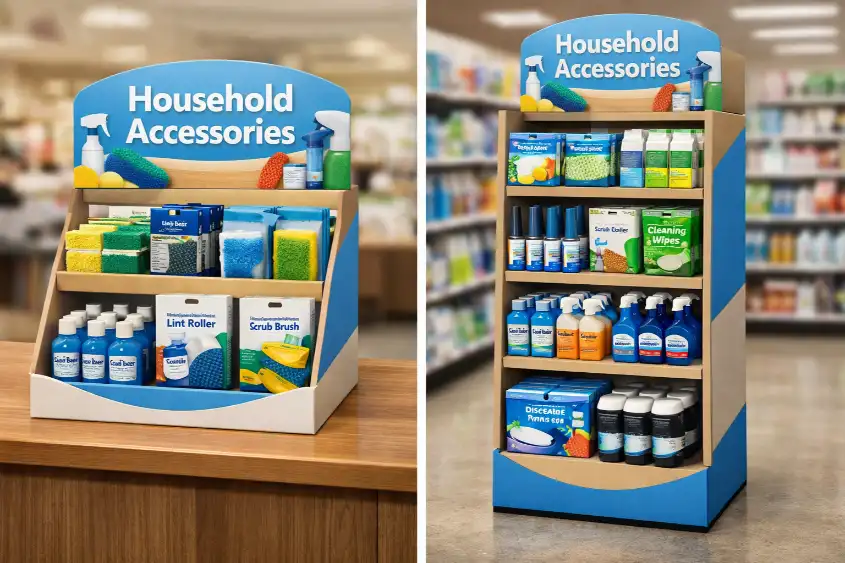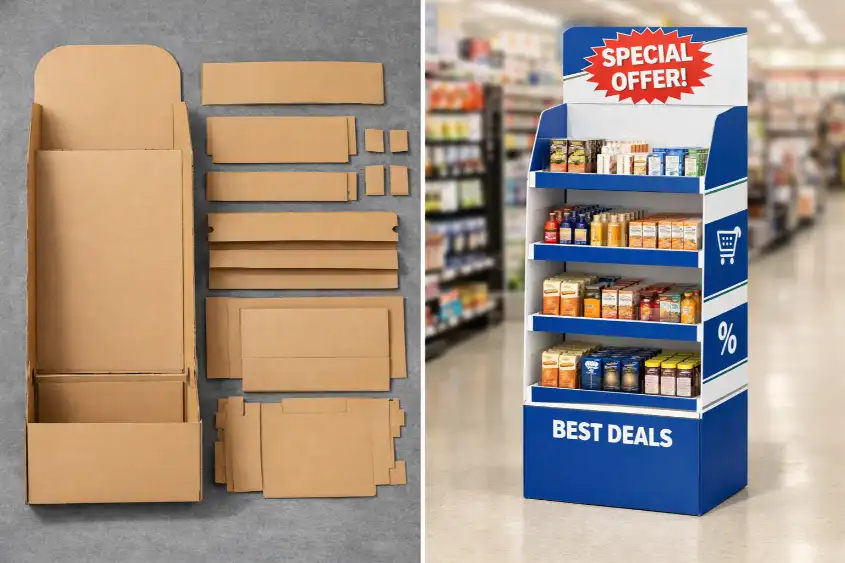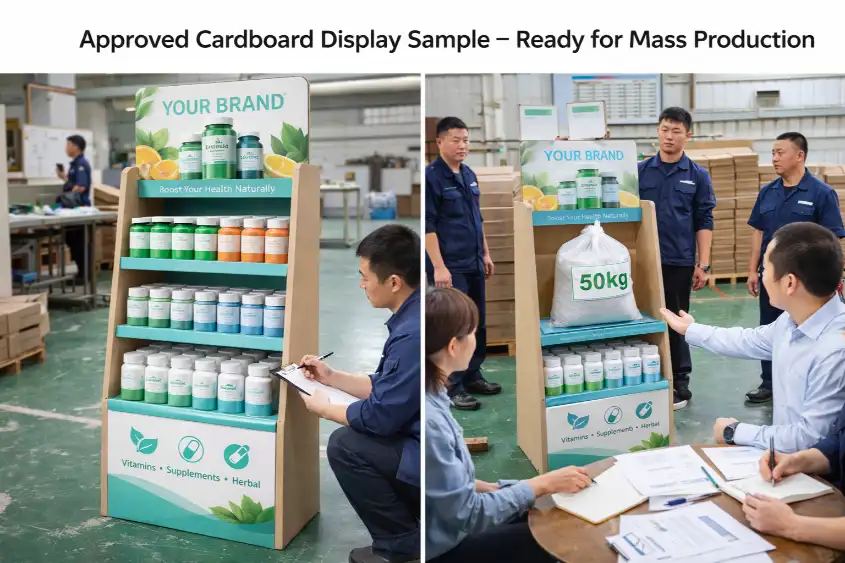
Your amazing product gets lost on crowded store shelves. Shoppers walk right by, and potential sales disappear. A Free Standing Display Unit (FSDU) can grab their attention and make your product shine.
An FSDU, or Free Standing Display Unit, is a standalone retail display typically made from cardboard. Its main job is to showcase products away from main shelving. This placement grabs customer attention, promotes special offers, and can significantly increase sales through impulse purchases.
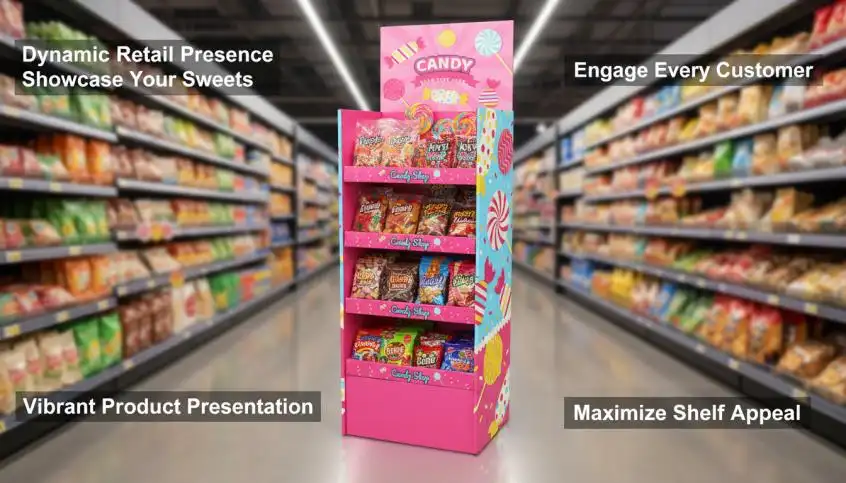
Over my 16 years in this industry, I’ve seen FSDUs work wonders. They seem simple, but a powerful strategy is behind every successful unit. A great FSDU acts as your best silent salesperson, while a poorly designed one is just expensive clutter. It’s crucial to get it right. So, let’s explore what makes these displays such a powerful tool for any brand.
What makes an FSDU so effective in a retail store?
You want to boost sales, but your marketing budget is tight. Traditional advertising is expensive and its impact is hard to measure. How can you make a direct impact at the point of purchase?
FSDUs are effective because they interrupt the normal shopping journey. They use bold graphics and strategic placement to attract attention. This high visibility makes them perfect for launching new products, running promotions, and encouraging customers to make unplanned purchases right in the store aisle.
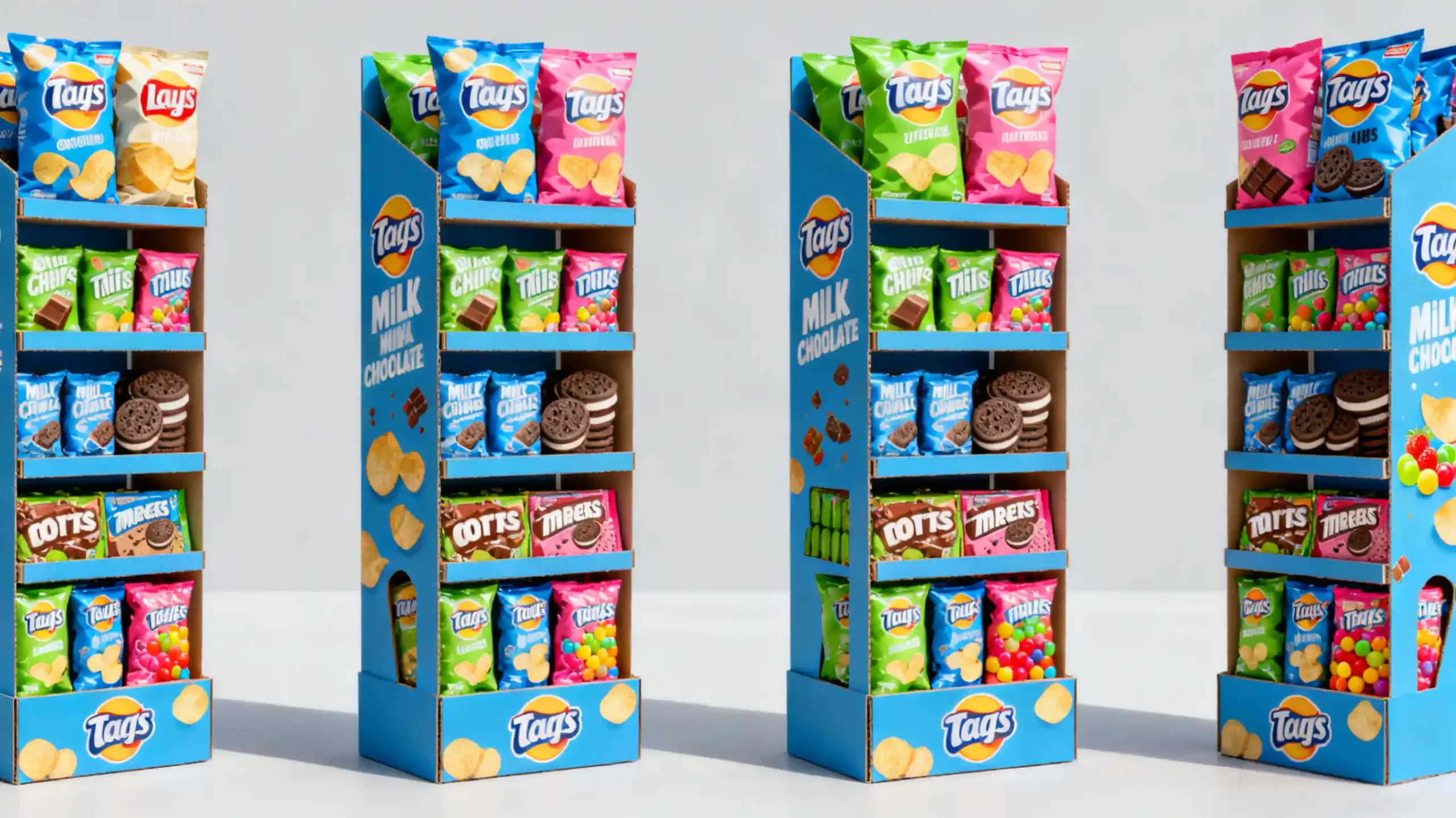
In my experience, the power of an FSDU comes down to three core principles. It’s not just about holding products; it’s about creating a mini-storefront within the store itself. This approach changes how customers interact with your brand at the most critical moment—when they are ready to buy. Let's break down why they work so well.
Increased Visibility
The average supermarket has thousands of products competing for attention. An FSDU physically separates your product from this noise. By placing it in an aisle, at the end of a gondola, or near the checkout, you create a "destination" that breaks the shopper's routine. This disruption makes them stop and look.
Targeted Promotions
FSDUs are the perfect vehicle for special offers. Whether it’s a "Buy One, Get One Free" deal, a seasonal discount, or a new product launch, the display itself becomes the advertisement. Clear messaging combined with an attractive product arrangement encourages immediate action. It turns a passive shopper into an active buyer.
Brand Building
A well-designed FSDU tells your brand's story. The colors, shapes, and graphics all work together to communicate your brand identity. It’s an opportunity to create an emotional connection with the customer that a standard shelf placement simply can't achieve.
| Benefit | How It Works | The Result |
|---|---|---|
| High Impact | Placed in high-traffic areas, it interrupts the shopping flow. | Grabs immediate customer attention. |
| Sales Lift | Perfect for promotions and impulse buys. | Directly increases sales volume at the point of sale. |
| Cost-Effective | Cheaper than permanent fixtures or big media campaigns. | High return on investment for in-store marketing. |
What different types of FSDUs can you choose from?
You need a display, but you know that one size doesn't fit all. Choosing the wrong type can waste money and fail to present your product effectively. How do you pick the perfect FSDU for your specific needs?
You can choose from several FSDU types. Standard shelved displays are versatile for various products. Dump bins are perfect for small or irregular items. Pallet displays are ideal for high-volume goods. Each type serves a different purpose based on product shape and sales strategy.
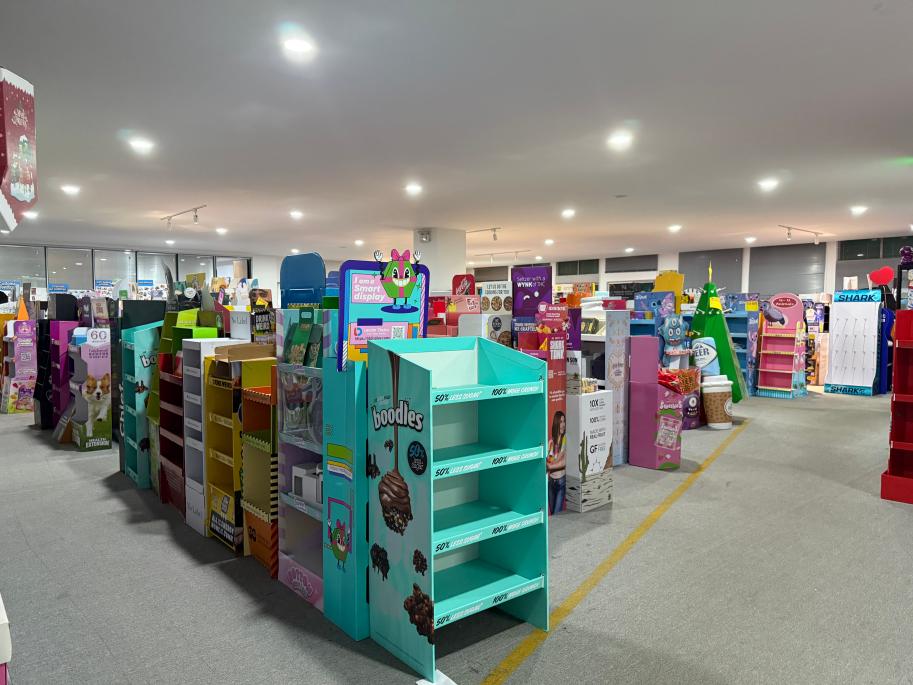
Choosing the right structure is the first step in a successful design. I always advise my clients to think about the product first. How will customers interact with it? Is it a "grab-and-go" item or something they need to examine? The answer to these questions will guide you to the perfect display type. Let’s look at the most common options I work with every day.
Tiered Shelf Displays
This is the most classic and versatile FSDU. It uses multiple shelves to neatly organize products, just like a miniature shelving unit. It’s perfect for products that need to be presented in an orderly way, such as boxes, bottles, or jars. The structure allows for clear branding on a header card and on the shelves themselves.
Dump Bin Displays
When a client has small, lightweight, or irregularly shaped products like candy, toys, or socks, I often recommend a dump bin. It’s essentially a large, open-topped box that encourages shoppers to "rummage" and discover items. They create a sense of a treasure hunt and are excellent for promoting clearance items or impulse buys near the checkout.
Pallet Displays
For heavy, bulky, or fast-moving consumer goods, a pallet display is the workhorse. These displays are shipped on a pallet directly to the retail floor, which minimizes setup time for store staff. They can hold a large volume of products, making them ideal for major promotions in wide-open spaces within a store.
| FSDU Type | Best For | Key Feature |
|---|---|---|
| Tiered Shelf | Boxed goods, bottles, organized items | Structured and versatile presentation |
| Dump Bin | Small, irregular, or discounted items | Encourages interaction and impulse buys |
| Pallet Display | High-volume, bulky, or heavy goods | Easy logistics and high product capacity |
How do you design an FSDU that actually works?
A great design idea can fail if it is not practical. It might look fantastic on a computer screen but turn out to be unstable or a nightmare for store staff to assemble. So, how do you balance creativity with structural reality?
A successful FSDU design must be structurally sound, easy to assemble, and visually compelling. It needs clear branding and a strong call-to-action. The design should guide the customer's eye to the product. Always consider the product's weight and the retail environment first.
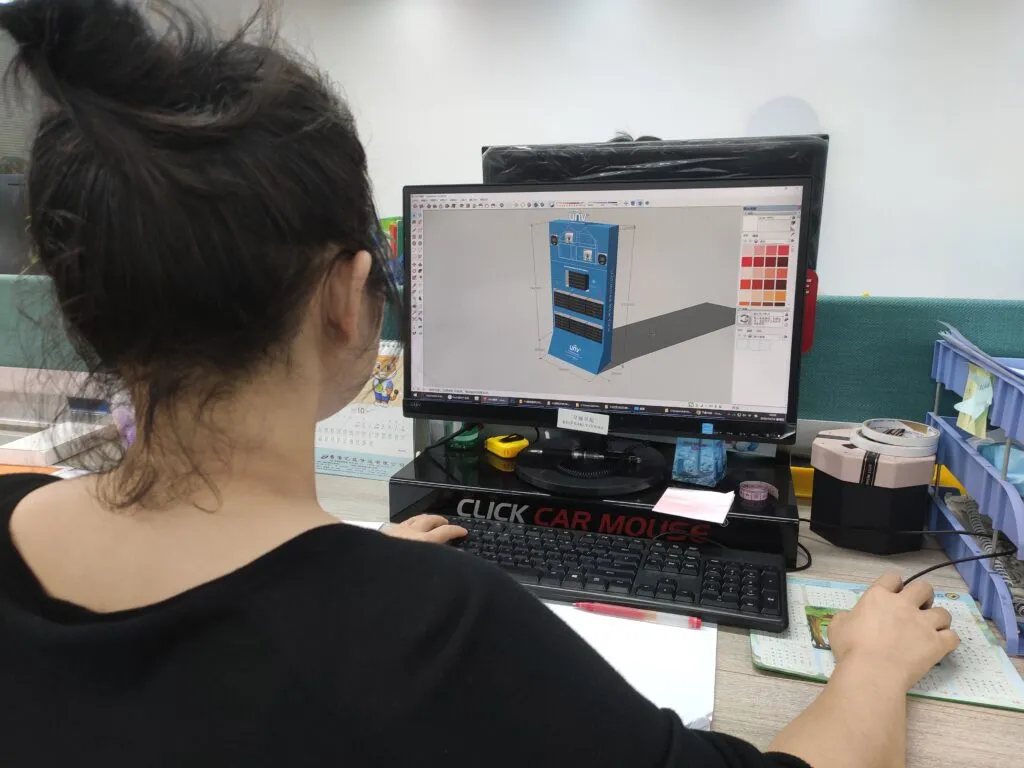
I've worked with hundreds of product designers like Peter over the years. The most successful projects are the ones where we collaborate to find the perfect balance between vision and function. A beautiful display that collapses under the weight of the products is a failure. An ugly display that is strong but doesn't attract customers is also a failure. Success lies in the middle.
Structural Integrity is Key
The first question I always ask is: "How much does your product weigh?" The entire design depends on this. We need to choose the right material thickness and internal support structure to ensure the display remains stable for the entire promotion period. This includes thinking about how shoppers will interact with it. A wobbly display does not inspire confidence and can be a safety hazard.
Graphics that Grab Attention
Your graphics have about three seconds to catch a shopper's eye. This means you need a clear, concise message. Use a bold headline, vibrant brand colors, and high-quality imagery. The goal isn't to tell your company's entire history; it's to communicate one key benefit or offer. Keep it simple and focused. The "hero" of the display should always be the product itself.
The Shopper Experience
Think about the customer's journey. Is it easy for them to take a product off the display? Is the pricing clear? Is the call-to-action obvious? A good design makes the purchasing process effortless. If a customer has to struggle to get a product from the display, you might lose the sale.
| Design Element | Key Question to Ask |
|---|---|
| Stability | Can the display hold 1.5x the total product weight without tipping or bending? |
| Assembly | Can a store employee assemble it in under 10 minutes with simple instructions? |
| Messaging | Can a shopper understand the main offer or product benefit in 3 seconds? |
| Accessibility | Is it easy for a customer to reach and remove the product from any part of the display? |
What are the best materials for building a durable and affordable FSDU?
You need a display that lasts through the entire campaign but won't destroy your budget. Plastic is expensive and harmful to the environment. Wood is heavy and costly. How do you find a material that is strong, sustainable, and affordable?
Corrugated cardboard is the best material for most FSDUs. It offers an excellent balance of strength, low cost, and light weight. It is also highly customizable for printing and is 100% recyclable. Different flute types can be selected based on the required structural strength.
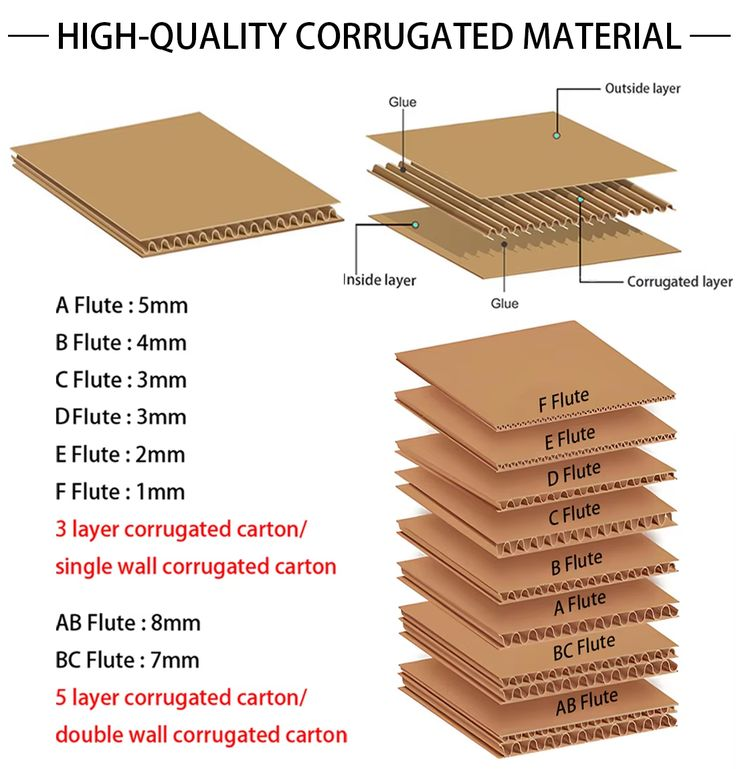
When people hear "cardboard," they often think of flimsy boxes. But the engineered material we use for a cardboard display is incredibly sophisticated. As an expert in this field, I can tell you that understanding the properties of corrugated board is essential for creating a display that not only looks great but also performs perfectly in the busy retail environment.
Why Corrugated Cardboard Wins
Corrugated board is made by gluing a flat sheet of paper (a liner) to a wavy, fluted sheet. This simple structure creates a surprisingly strong and rigid material that is also lightweight. This strength-to-weight ratio is why it's the industry standard. It's strong enough to hold beverages but light enough to keep shipping costs down. Plus, we can print high-resolution graphics directly onto it, allowing for endless creative possibilities.
Understanding Flutes and Liners
The "flute" is the wavy layer in the middle. Different flute profiles offer different properties. For example, a B-flute is thinner and provides a great printing surface, making it ideal for high-graphic displays holding lighter products. A C-flute is thicker and offers more cushioning and strength. For very heavy products, we can even combine flutes, like a BC-flute, to create an incredibly strong double-wall board.
Sustainable Choices
More than ever, brands and consumers care about sustainability. Cardboard is the perfect choice. It's typically made from a high percentage of recycled content and is fully recyclable after its use. This makes it a responsible choice that aligns with modern corporate values.
| Flute Type | Key Characteristic | Common Use |
|---|---|---|
| E-Flute | Very thin, excellent print surface | Small boxes, lightweight displays |
| B-Flute | Good balance of strength and printability | Standard FSDUs, POP displays |
| C-Flute | Strong and durable, good cushioning | Shipping boxes, displays for heavier items |
| BC-Flute | Double-wall, very high strength | Pallet displays, displays for very heavy goods |
Conclusion
An FSDU is a powerful tool. By focusing on smart design, the right materials, and strategic placement, you can make your product the center of attention and significantly boost your sales.