Struggling to make your products pop in a crowded store? You have a fantastic product, but it's getting lost on the shelf. It’s a common pain point for many brands.
A floor display is a standalone retail fixture designed to sit on the store floor, separate from standard shelving. It's a point-of-purchase (POP) display used to attract customer attention and highlight specific products, promotions, or seasonal items, ultimately driving impulse buys and boosting sales.

Getting your product noticed is half the battle in retail. I've seen countless great products fail simply because they didn't have the right presentation. A well-designed display can be the difference between being seen and being sold. It’s about creating a unique space for your brand right where customers are making their decisions. It’s a challenge, but one that presents a huge opportunity to connect with shoppers. Let's explore how these displays work and what they can do for your brand.
What does floor display mean?
You've got a product ready for the big leagues, but how do you make it stand out? Placing it on a crowded shelf feels like sending it into a yelling match.
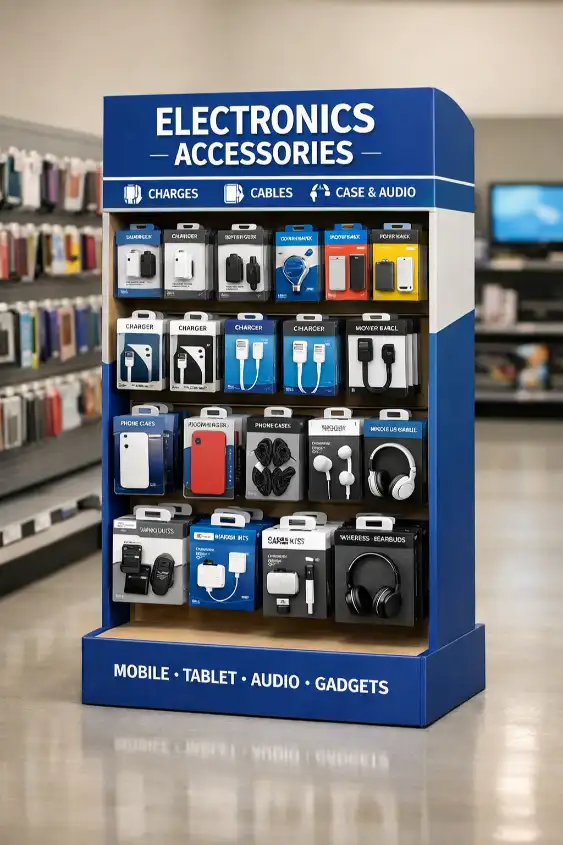
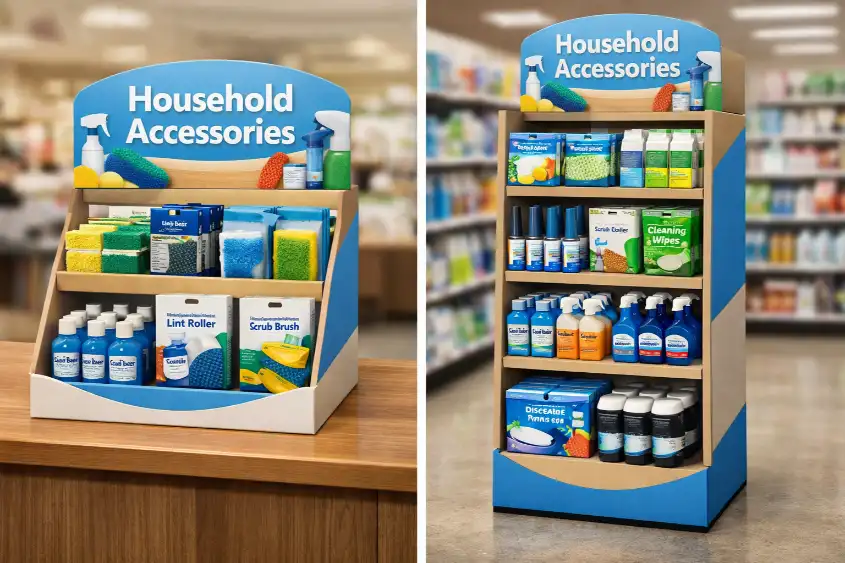
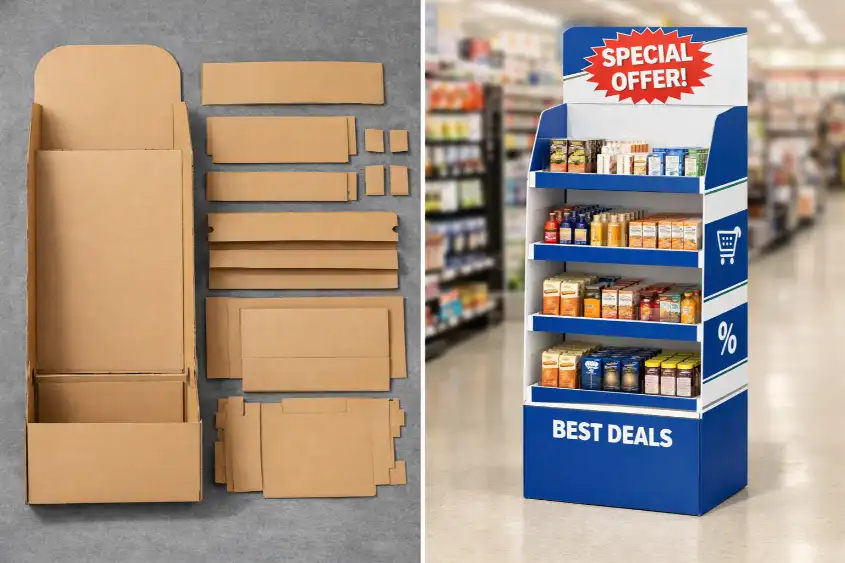
A floor display, or floorstand, means creating a dedicated, branded island for your product right in the middle of a store's high-traffic areas [6]. It’s a type of point-of-purchase (POP) display built to grab attention and make it easy for customers to grab your product.
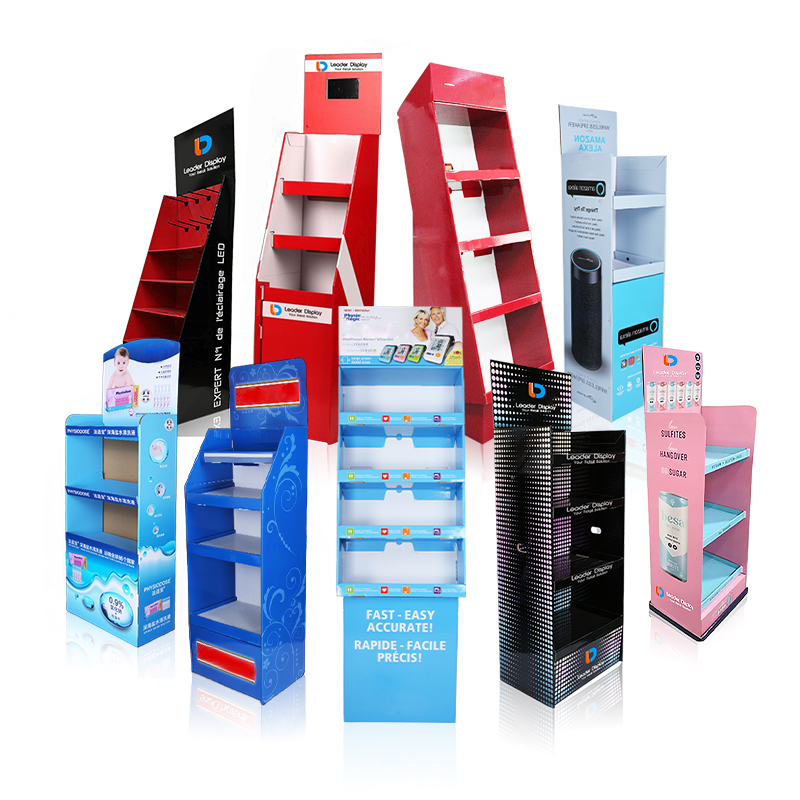
When I first started in this industry 16 years ago, I learned a crucial lesson: presentation is everything. A floor display is more than just a box; it’s a silent salesperson. It’s your chance to tell a story. Think about it from the customer's perspective. They are walking down an aisle, bombarded with choices. A floor display breaks that monotony. It creates a focal point, a destination. I remember working with a client, Peter, a talented designer who was struggling to get a new snack brand noticed. We moved the product from the shelf to a custom-designed floor display at the end of an aisle. Sales tripled in a week. It wasn't magic; we simply gave the product its own stage. The display did the hard work of capturing attention and making the sale.
Key Aspects of a Floor Display
- Placement: They are best used in high-traffic areas to maximize visibility.
- Types: Can be designed as dump bins, shelved units, or gravity-fed displays [6].
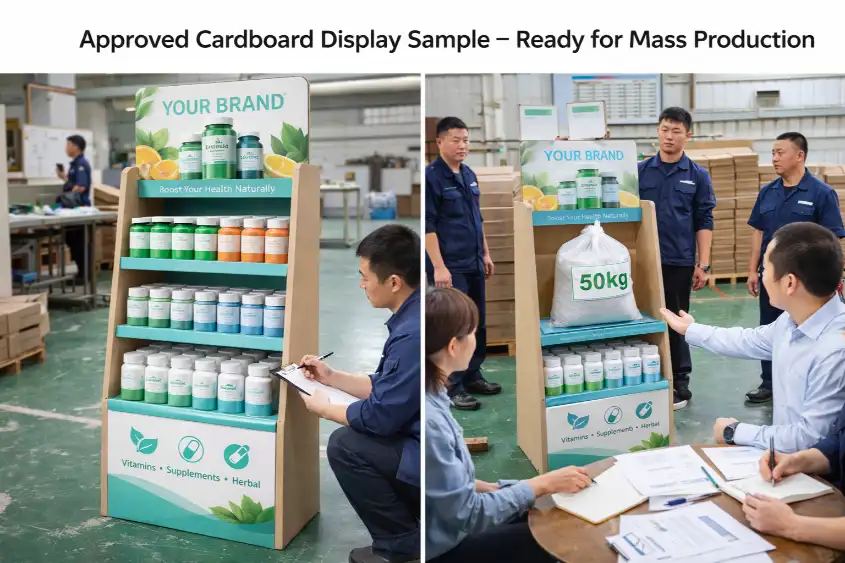
- Customization: Full printing options allow for bold, attention-grabbing graphics that align with your brand.
- Function: Ideal for new product launches, promotions, or increasing brand presence in a retail environment.
What are the three types of display?
Walking into a store, you're surrounded by products. But have you ever noticed how they are presented? Not all displays are created equal, and understanding the basic types is key.
While there are many specific styles, freestanding retail displays can be grouped into three main categories: counter displays, middle-floor displays (or island displays), and wall displays [1, 2, 9, 22]. Each serves a distinct purpose in guiding the customer and showcasing products effectively.
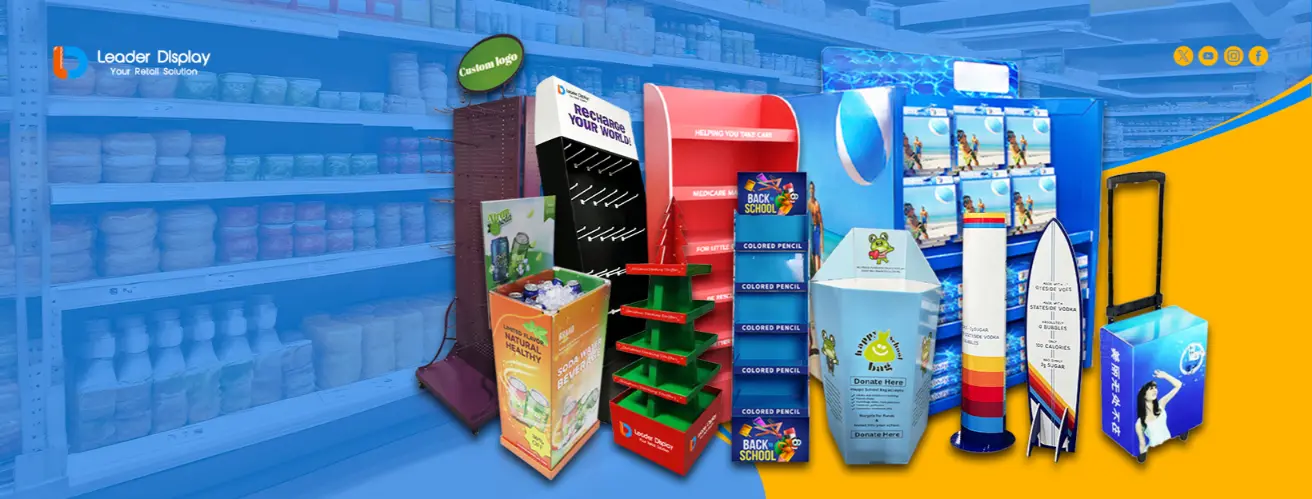
Understanding these three core types helps you see a store not just as a room full of stuff, but as a strategically designed space. When I work with a designer like Peter, we always start by mapping out the store's landscape. Where do people walk? Where do they pause? Where do they make decisions? A counter display is perfect for those last-minute impulse buys, right at the checkout. A wall display is great for telling a bigger brand story without cluttering the main walkways. But the middle-floor display, that’s where the real action is. It’s a 360-degree opportunity to engage a customer from any angle [2]. I’ve always seen these as the most dynamic. They have to be structurally sound, visually appealing from all sides, and perfectly placed to interrupt the customer's journey in a good way. It’s about choosing the right tool for the right spot on the retail battlefield.
| Display Type | Location | Primary Purpose |
|---|---|---|
| Counter Display | At the point of sale (checkout counter). | To encourage last-minute, impulse purchases. |
| Middle-Floor Display | In open areas, like main aisles. | To attract attention from all directions and showcase promotions. |
| Wall Display | Against a wall. | To display a large amount of stock or create a brand destination. |
What are the 5 types of displays with examples?
Beyond the three main categories, how can you really bring your product to life? There are many specialized displays, each with its own strengths for different products and goals.
Five common and effective types of visual merchandising displays are window displays, in-store shelving, promotional or seasonal displays, mannequins, and point-of-sale (POS) displays [16]. Each type creates a unique touchpoint for the customer, from the first glance outside to the final purchase decision.
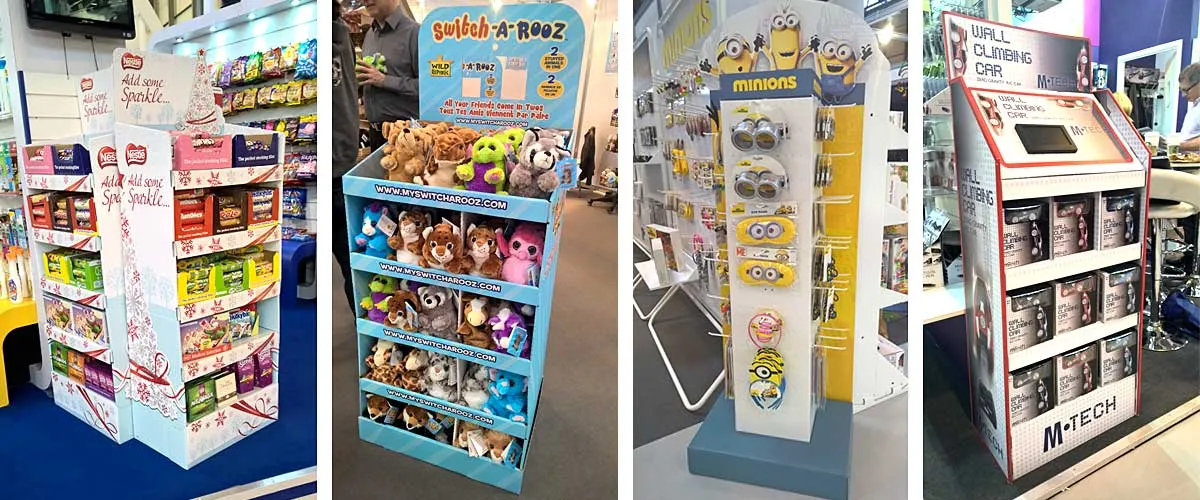
Every display tells a story, and as a designer, you're the author. I remember a project with Peter where we had to launch a new line of winter coats. We used a combination of these display types to create a full experience. We started with a window display that created a snowy, winter-wonderland scene, stopping people on the street. Inside, mannequins were styled in complete outfits, showing customers not just a coat, but a whole look. We used special promotional displays at the end of aisles with bold "New Arrival" signs. The main collection was on shelving units, organized by size and color to make selection easy. Finally, at the checkout counter, we placed a small point-of-sale display with matching hats and gloves. By using these different types, we guided the customer from initial attraction to final, complementary purchase. It’s about creating a complete and cohesive brand journey within the four walls of a store.
What does floor model display mean?
You've seen a piece of furniture or an appliance in a store with a "floor model" tag and a lower price. What does that actually mean, and is it a good deal?
A floor model display is an item that has been taken out of its packaging and placed on the showroom floor for customers to see, touch, and test [21]. Because it has been handled and used for demonstration, it's often sold at a discount to clear it out.
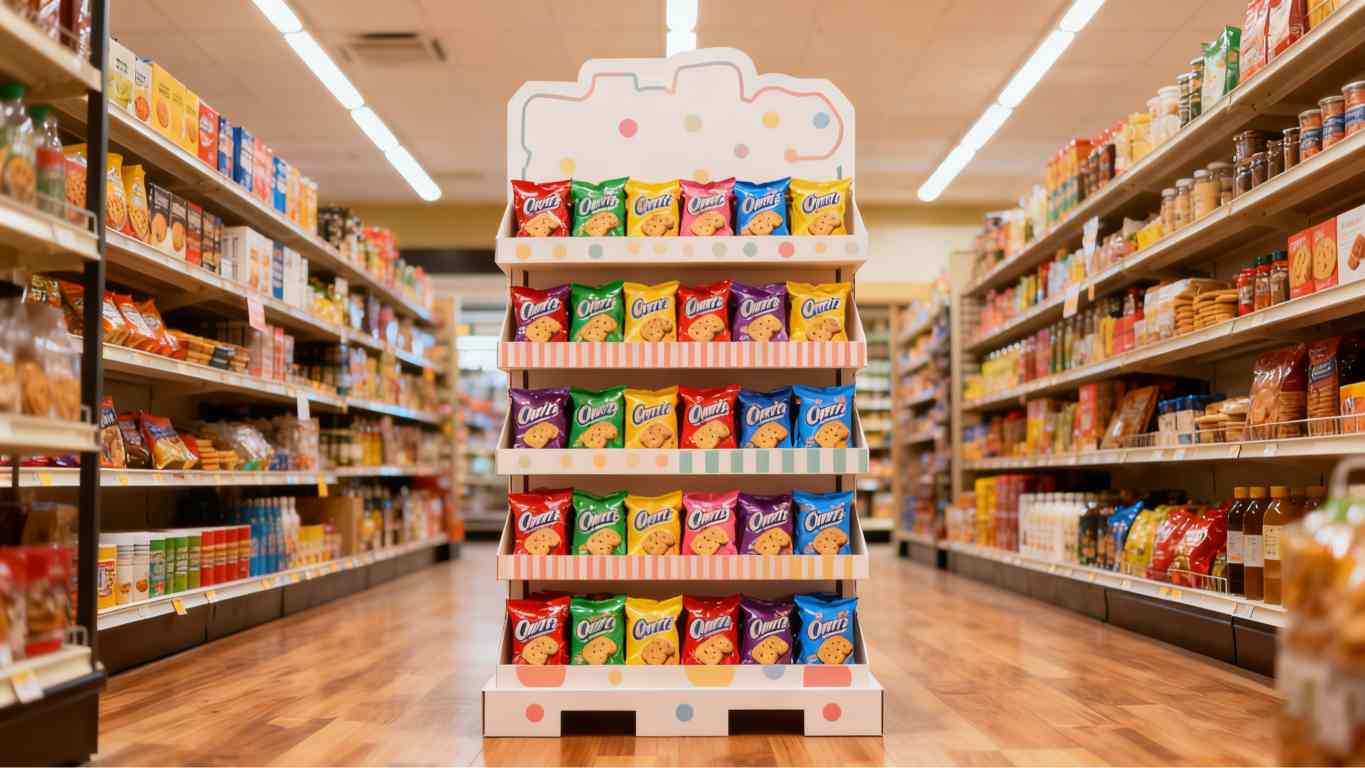
From my perspective in the custom display industry, a "floor model" is very different from a "floor display." A floor display, like the cardboard stands I create, is a marketing tool designed to be temporary and sell the products it holds. A floor model, on the other hand, is the product being sold. I've had clients get confused by this. They'll ask for a "floor model," thinking of a permanent, high-end fixture. But what they often need is a cost-effective, eye-catching cardboard floor display. The key difference is purpose and permanence. A floor model has been subject to wear and tear from customer interaction and is usually a one-off sale [21]. My floor displays are designed to be pristine carriers for the products, protecting both the item and the brand image until everything is sold. They are part of the product's launch strategy, not the leftover demo unit.
Conclusion
A floor display is your brand’s salesperson on the retail floor. Understanding its meaning, types, and strategic purpose is the first step to making your product stand out and succeed.