Struggling to get your products noticed in crowded stores where standard shelving makes your brand invisible? A well-designed PDQ display can be your secret weapon, grabbing customer attention right where it matters most.
A PDQ, or "Pretty Darn Quick," display is a form of retail-ready packaging designed for fast, easy setup. It typically arrives at the store pre-filled with products, allowing staff to place it directly on shelves or as a standalone unit. This saves valuable stocking time and boosts your product's visibility instantly.
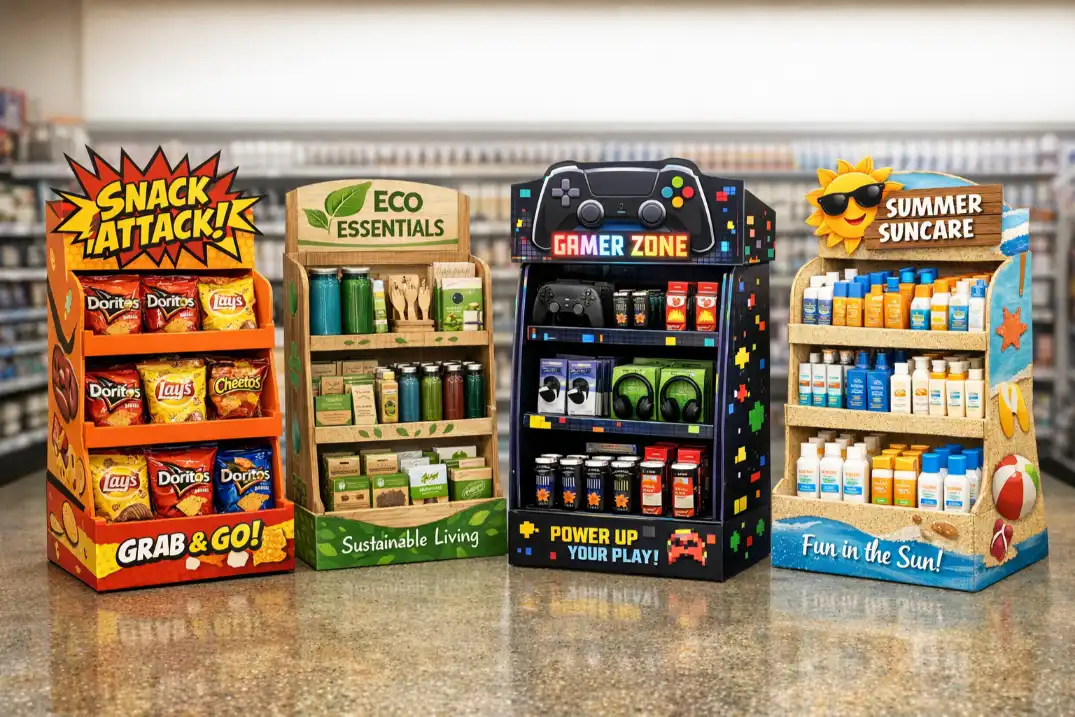
Over my 16 years in the cardboard display industry, I've seen countless brands go from overlooked to bestsellers, all thanks to a smart display strategy. A PDQ isn't just about convenience for the retailer; it's a powerful tool for you, the brand owner, to control how your product is presented to the customer. It's your chance to create a small, branded world on a busy store shelf. But how does this simple cardboard box actually translate into more sales?
How Do PDQ Displays Actually Boost Sales?
Are your product sales flat while competitors seem to be grabbing all the customer attention? A strategically placed PDQ display can interrupt shopper patterns, create a focal point, and drive those crucial impulse buys.
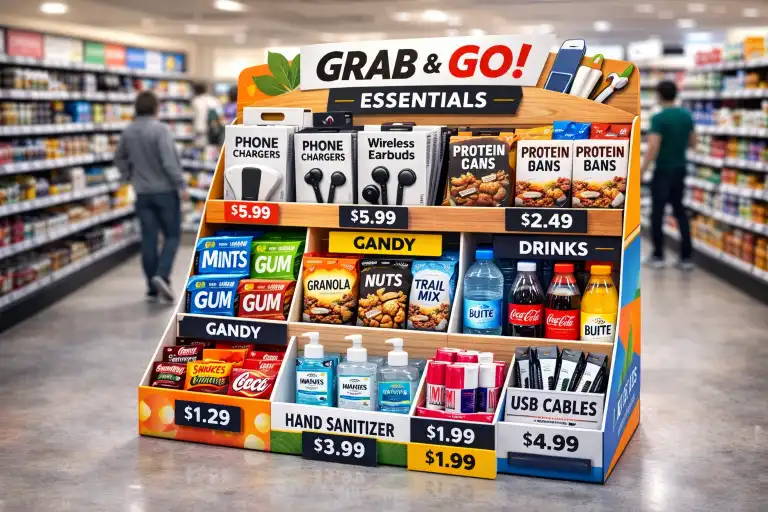
PDQ displays boost sales by dramatically increasing your product's visibility at key decision-making moments. Placed at checkout counters, on prominent endcaps, or within aisles, they act as a silent salesperson. Their eye-catching graphics and easy accessibility encourage impulse purchases and make your brand stand out from the competition.
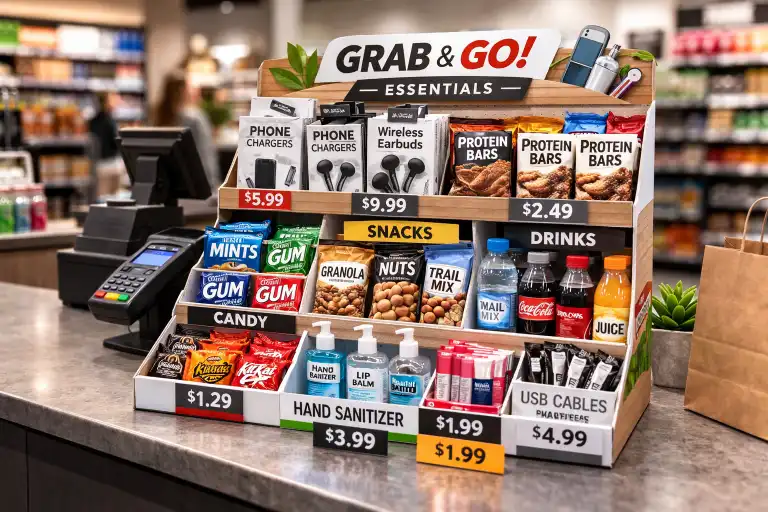
A standard retail shelf is a crowded, noisy place. Your product is often sitting right next to its biggest rival. A PDQ display lifts your product out of that sea of competition. I've worked with clients who saw a double-digit sales lift almost overnight, simply by moving their product from the shelf into a custom-designed countertop display. The display does more than just hold the product; it tells a story. It uses color, shape, and messaging to stop customers in their tracks. This is especially powerful for new products or special promotions. It gives you a platform to say, "Hey, look at me! I'm new, I'm special." It breaks the routine of the regular shopping trip and introduces a moment of discovery for the customer. Think of it as your own personal billboard, placed exactly where your target audience is ready to buy. See how our custom display solutions can make this happen for you.
| Metric | Without PDQ Display | With PDQ Display | Percentage Increase |
|---|---|---|---|
| Weekly Units Sold | 50 | 85 | +70% |
| Customer Engagement | Low | High | - |
| Brand Recall | Poor | Excellent | - |
What Are the Different Types of PDQ Displays?
You know you need a PDQ, but the sheer number of options can feel overwhelming. Choosing the wrong type is more than a mistake; it's a wasted budget and a missed opportunity. Understanding the main types helps you pick the perfect fit for your product.
PDQ displays come in various forms to suit different products and store locations. The most common types include countertop displays for small impulse items, shelf trays that sit within store aisles, and larger floor displays or sidekicks that act as standalone fixtures. Each is designed for a specific purpose.
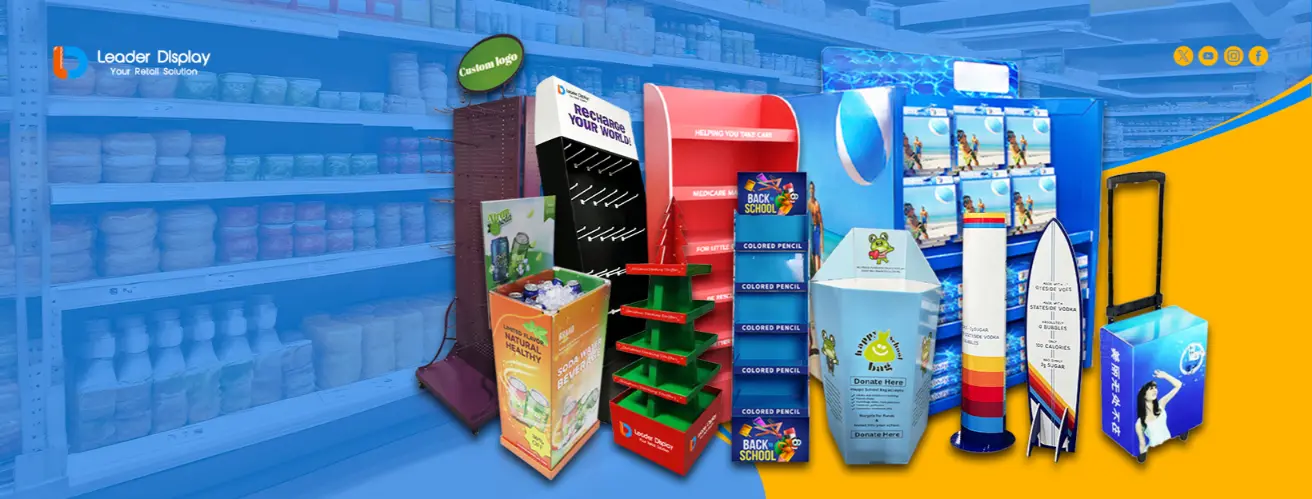
Choosing the right display is the first step toward a successful retail campaign. As a designer myself, I always start with the product and the goal. Is it a small, lightweight item like a lip balm? A countertop PDQ near the register is perfect. Are you selling a beverage that should be displayed cold? A sidekick PDQ that attaches to the refrigerated section is your best bet. I once worked with a snack company that was getting lost in the chip aisle. We designed a simple but bold shelf tray that elevated their bags above the others. It was a small change, but it ensured their brand was seen first. The key is to match the display's form and function to your product's needs and the retailer's environment. Explore our range of display types to find the perfect match.
Matching the Display to Your Goal
| PDQ Type | Best For... | Common Location | Material Tip from My Experience |
|---|---|---|---|
| Countertop Display | Small, lightweight, impulse items (candy, cosmetics) | Checkout lanes, service desks | B-flute corrugated is strong but still looks premium. |
| Shelf Tray | Products sold in-aisle (sauces, snacks, boxes) | Standard retail shelving | E-flute offers a smoother surface for high-quality printing. |
| Sidekick/Power Wing | Cross-promoting with related products (batteries, accessories) | Endcaps, attached to existing shelving | Needs strong clips and a lightweight but rigid design. |
| Floor Display | New product launches, seasonal promotions, high-volume items | Main aisles, store entrances, open spaces | Use double-wall BC-flute for maximum durability and stability. |
How Do I Design a PDQ That Retailers and Customers Will Love?
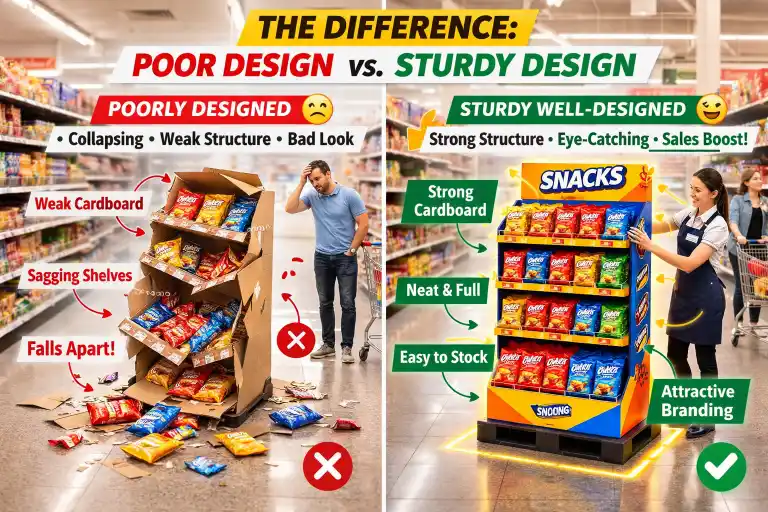
Does your display design look fantastic on your computer screen but fail once it's in the store? It's a common problem. If retailers reject it for being unstable or customers walk right past it, your entire investment is lost. A great design must balance the practical needs of the retailer with the visual desires of the customer.
To design an effective PDQ, you must focus on three things: structural integrity, clear branding, and easy setup. The design must survive shipping, look great on the shelf, clearly communicate your product's value, and be assembled by store staff in seconds. Always start with the retailer's specific guidelines.
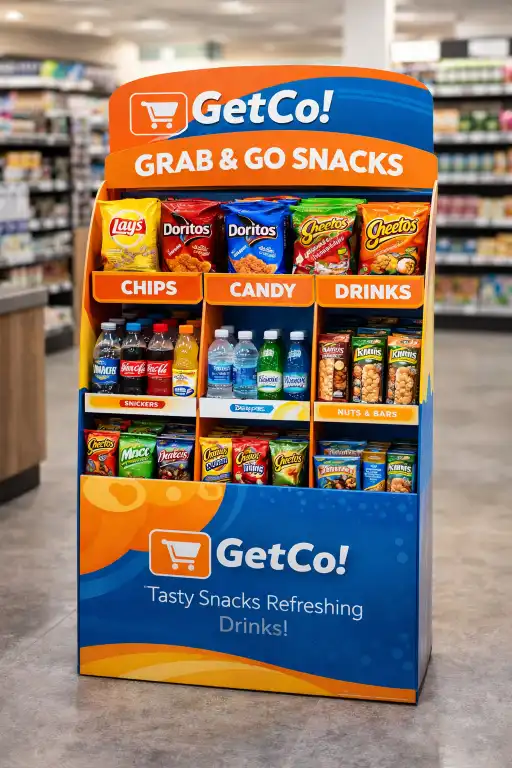
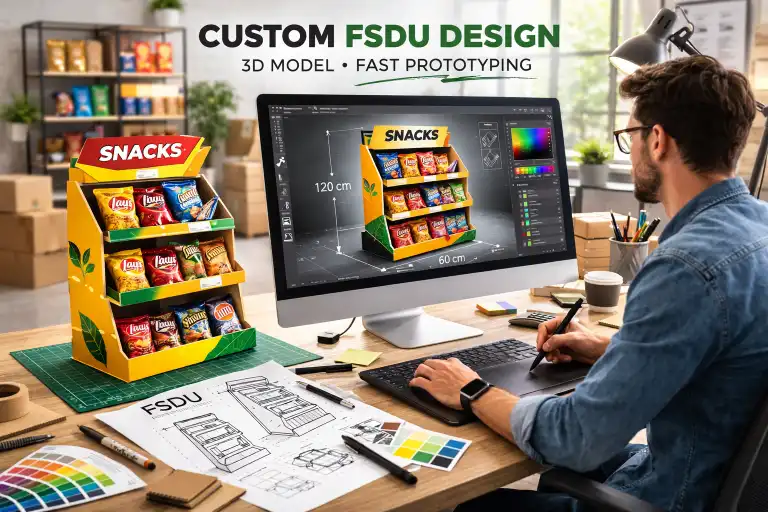
I'll never forget a project from early in my career. A client wanted a display with many complex, interlocking parts. It looked like a work of art on my screen. The reality? It arrived at stores and the staff, who have minutes to set things up, couldn't figure it out. The displays ended up in the back room, and the campaign failed. It was a hard lesson: simplicity is genius. Today, my first questions are always about the supply chain and the retail environment. Can it withstand being bumped by a cart? Can someone assemble it in under 60 seconds with no tools? Is the branding visible from 10 feet away? You have to design for the real world, not just the boardroom. A successful PDQ is a masterclass in efficiency, from its structure to its messaging. If you need help with a design that works in the real world, get in touch with our team.
Balancing Retailer and Customer Needs
The Retailer's Checklist:
- Is it stable? The display must not tip over easily.
- Is it easy to stock? Staff need to be able to set it up and restock it quickly.
- Does it fit the space? Every retailer has specific size guidelines (known as specs) that you must follow.
- Is it safe? No sharp edges or weak points that could cause injury.
The Customer's Perspective:
- Does it grab my attention? Use bold colors and a clear focal point.
- What is it? The product and brand should be identifiable in under 3 seconds.
- Why should I buy it? A single, strong call-to-action (e.g., "New Flavor," "Limited Time") is crucial.
- Can I get the product easily? The display shouldn't be a puzzle to shop from.
Conclusion
PDQs are far more than just "pretty darn quick" boxes; they are a vital sales and marketing tool. By designing them strategically, you boost visibility, increase sales, and build a stronger brand presence.