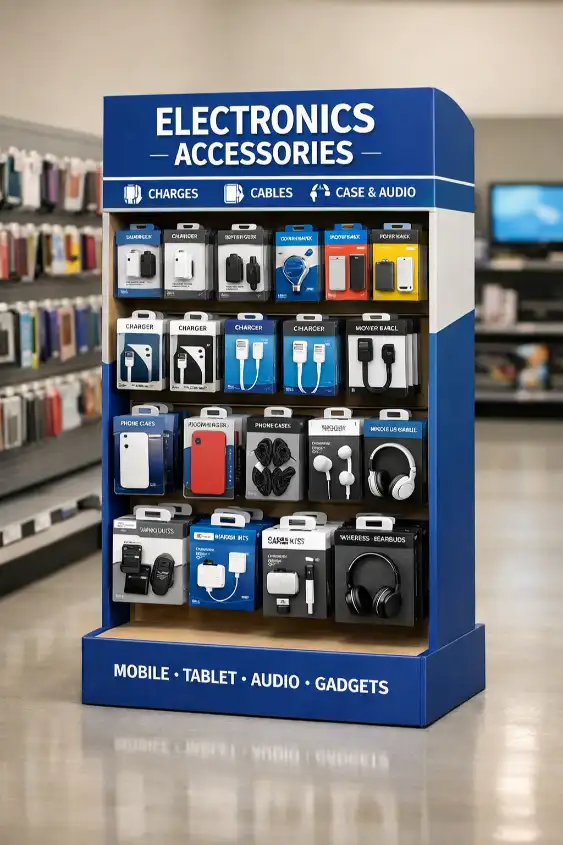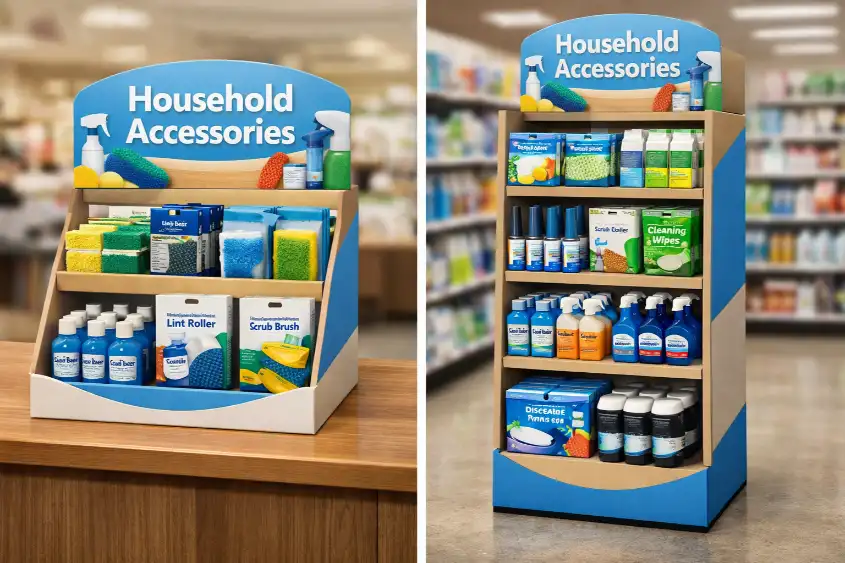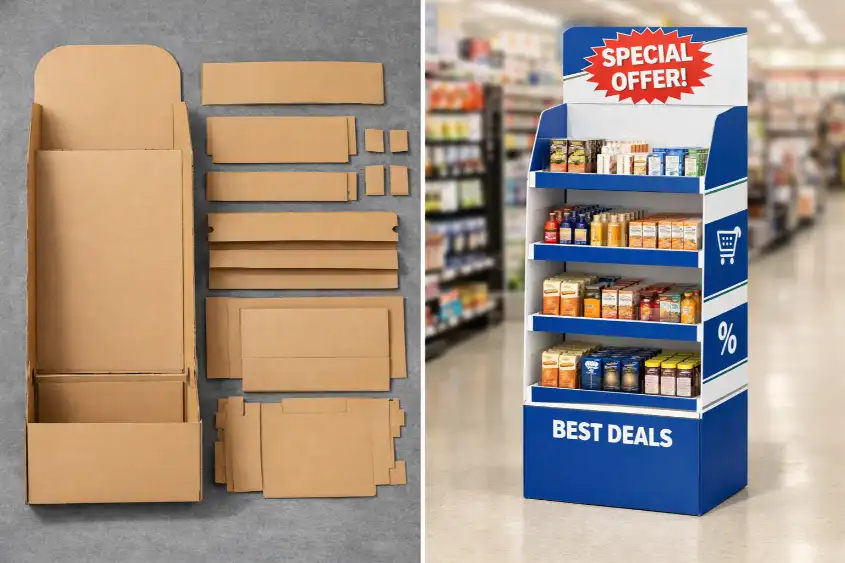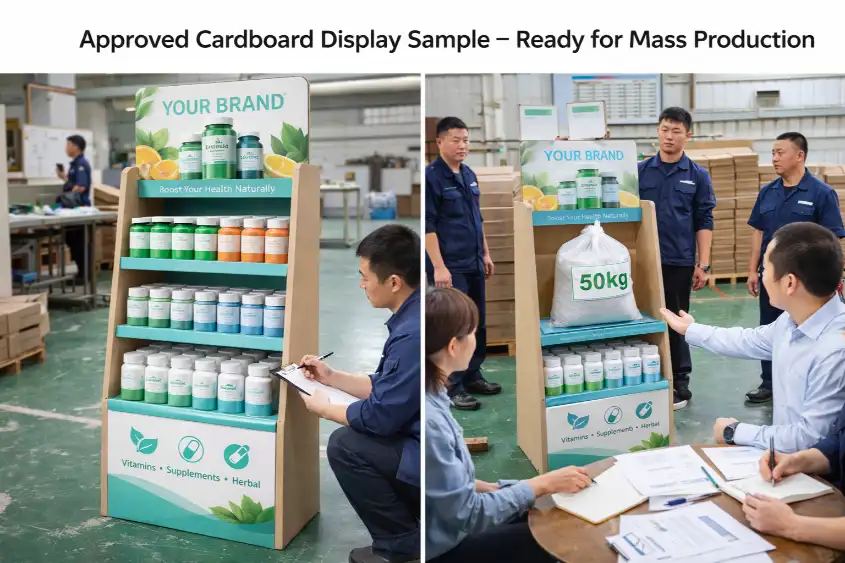
Your store's displays feel outdated and aren't grabbing attention. You see customers walk by without a second glance, and you know you're missing out on sales because of it.
The latest display rack trends focus on creating experiences. This includes integrating technology like digital screens, using sustainable and eco-friendly materials, and adopting modular designs that allow for flexibility. Customization to match brand identity is also a top priority for creating a memorable shopping journey for customers. [1, 2, 3]
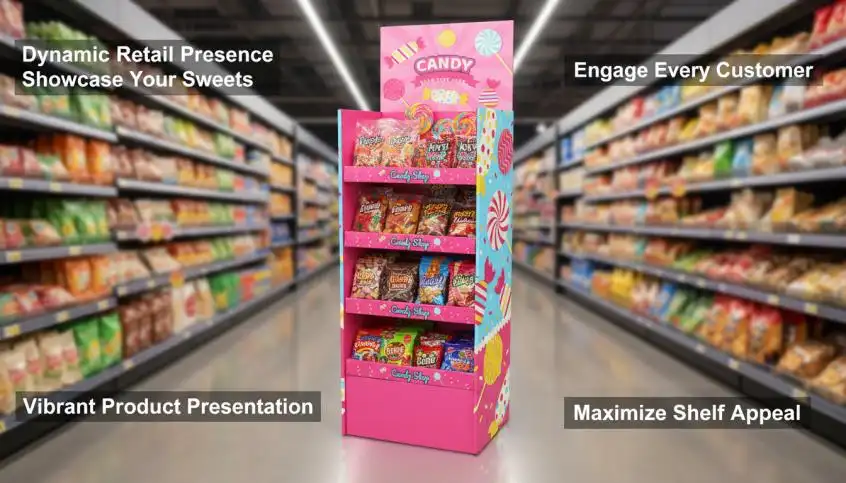
Keeping up with these changes can feel overwhelming, but it's essential for staying competitive. As a designer with 16 years in the trenches of cardboard display and packaging, I've seen these shifts firsthand. It's not just about holding products anymore; it's about telling a story and connecting with your customers on a deeper level. Let's break down the most important trends I'm seeing and how you can use them to make your products stand out.
How is technology changing the way we display products?
Are your static displays failing to stop customers in their tracks? You worry that without something more engaging, your products will continue to be overlooked in a busy retail environment.
Technology integration is transforming displays from passive shelves into active sales tools. By incorporating digital screens for video content, interactive touchpoints for product information, and LED lighting to highlight features, you can create a dynamic and captivating experience that grabs attention and boosts engagement. [1, 3]
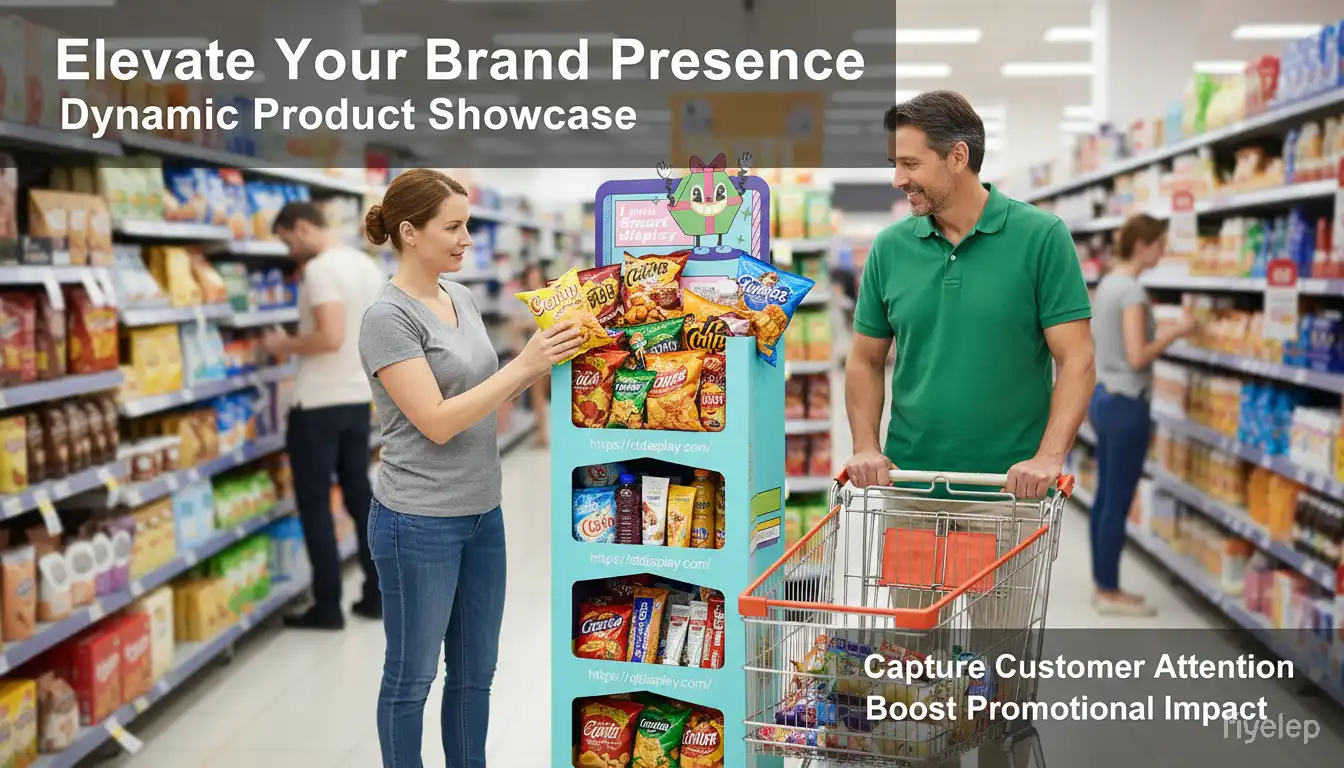
Over my years in the industry, I've seen the power of a well-placed screen or a strip of light. It's about creating a moment of discovery for the customer. When we were designing a display for a new electronics brand, we initially created a standard cardboard stand. It was functional, but it lacked excitement. The client felt it didn't reflect their innovative product. So, we went back to the drawing board and added a small LCD screen that looped a product demo. The difference was night and day. The display suddenly had energy. It drew people in from across the aisle. This experience taught me that technology isn't just a gimmick; when used correctly, it becomes a crucial part of the storytelling process. It helps answer customer questions before they even ask them and provides a richer, more informative shopping experience.
Key Technological Integrations
| Technology Feature | Primary Benefit for Retailers | Customer Experience Impact |
|---|---|---|
| Digital Screens | Allows for dynamic content, promotions, and brand storytelling that can be updated easily. [1] | Provides engaging video and product information, reducing the need for staff assistance. |
| LED Lighting | Highlights specific products, creates a mood, and draws the eye to key areas of the display. | Enhances product appearance and makes the display visually appealing and modern. |
| Interactive Elements | Engages customers directly, allowing them to explore features, colors, or options on their own. | Creates a memorable, hands-on experience that increases dwell time and product understanding. |
| QR Codes | Links physical displays to online content, such as reviews, tutorials, or extended product lines. [2] | Bridges the gap between in-store and online, offering customers more information and confidence. |
Why is sustainability becoming a crucial factor in display design?
You want your brand to be seen as responsible, but your current displays are made of single-use plastics. This disconnect worries you, especially as customers become more environmentally conscious.
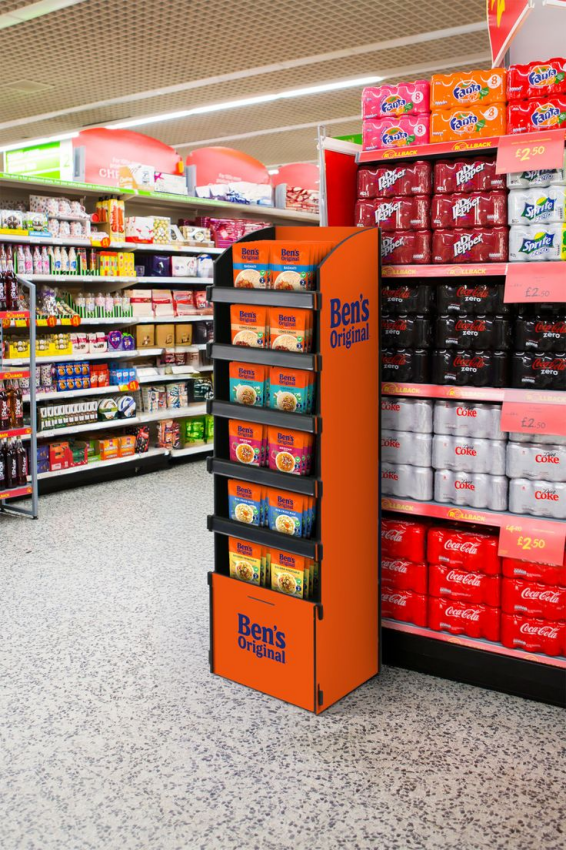
Sustainability in display design is now a core expectation. Brands are choosing racks made from recyclable or renewable materials like cardboard, wood, or metal to align with green initiatives. This not only appeals to eco-conscious shoppers but also strengthens brand trust and modernizes store aesthetics. [1, 2, 3]
I remember working with a cosmetics company that was launching an all-natural product line. Their whole brand identity was built on being organic and kind to the planet. It would have been a huge mistake to put those products on a plastic display. We worked closely with them to design a custom display made entirely from recycled corrugated cardboard, printed with water-based inks. The final design wasn't just a container for their products; it was a physical representation of their brand values. Customers noticed. The feedback was incredible, with people commenting on how the display itself felt as natural as the products. This project solidified my belief that the materials we choose are just as important as the structure. They send a powerful message about who you are as a brand before the customer even picks up a product.
Comparing Sustainable Materials
| Material | Pros | Cons | Best For |
|---|---|---|---|
| Corrugated Cardboard | Highly recyclable, lightweight, cost-effective, and easily customizable with printing. | Less durable than other materials, susceptible to moisture. | Short-term promotions, lightweight products, point-of-purchase displays. |
| Wood/Plywood | Durable, premium feel, can be sourced from sustainable forests (FSC-certified). | Heavier, more expensive, less flexible for quick changes. | Permanent fixtures, high-end products, creating a natural aesthetic. |
| Recycled Metal | Extremely durable, long-lasting, can be recycled repeatedly without losing quality. | Higher initial cost, heavy, can be energy-intensive to produce. | Long-term fixtures, heavy items, creating an industrial or modern look. |
| Acrylic/Plastics | Can be made from recycled materials, versatile and modern. [1] | Not all are easily recyclable, can contribute to microplastic pollution if not disposed of correctly. | Cosmetic displays, electronics, when a clean, transparent look is needed. |
How can modular and minimalist designs keep my store looking fresh?
Your store layout feels rigid and hard to update for new seasons or promotions. You spend too much time and money on new fixtures instead of being able to adapt what you already have.
Modular and minimalist display racks offer the ultimate flexibility. Modular systems can be easily reconfigured to suit different products or campaigns, while a minimalist approach reduces clutter, highlights products, and creates a more relaxed and focused shopping environment for customers. [1, 2]
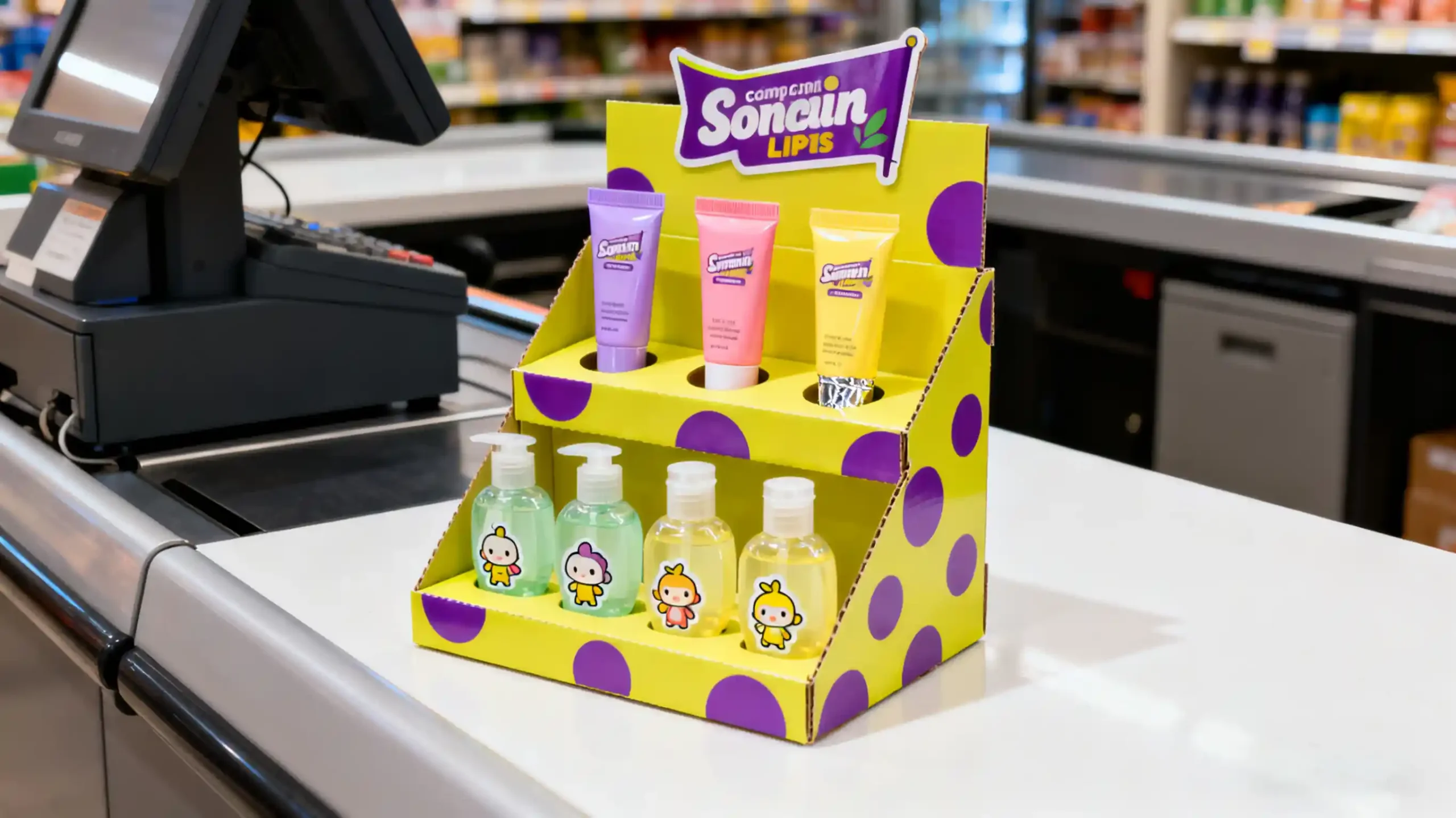
Early in my career, I saw retailers treat displays as permanent installations. Every new product launch meant a completely new, custom-built fixture. It was expensive and wasteful. A turning point for me was a project with a fast-fashion client who needed to change their featured items almost weekly. We developed a system of interlocking cardboard cubes and shelves. They could be stacked, rearranged, and swapped out with minimal effort. The client could create a tall tower one week and a low, wide display the next, all using the same components. This saved them a fortune in the long run and kept their store looking dynamic. This taught me that the smartest designs are often the simplest. By focusing on purposeful curation and giving retailers the tools to be agile, we empower them to tell new stories without starting from scratch every single time. [2]
Principles of Minimalist Display
- Focus on the Product: The display should serve the product, not overpower it. Use neutral colors and clean lines to make the merchandise the hero.
- Use Negative Space: Don't crowd the shelves. "Breathing room" around products makes them seem more valuable and allows customers to focus on one item at a time. [2]
- Tell a Story: Group products logically. Create a visual narrative that guides the customer's eye, such as grouping items by use, color, or theme.
- Prioritize Quality over Quantity: A curated selection feels more special and less overwhelming than a sea of endless options. It shows that you've carefully chosen the best items for your customers. [2]
Conclusion
The future of retail display is clear: it must be engaging, sustainable, and flexible. By embracing these trends, you can transform your displays from simple shelves into powerful storytelling tools.