Are you struggling to find the right term for those cardboard things you see in stores? Don't worry, you're not alone. Many people in the industry use different names for them.
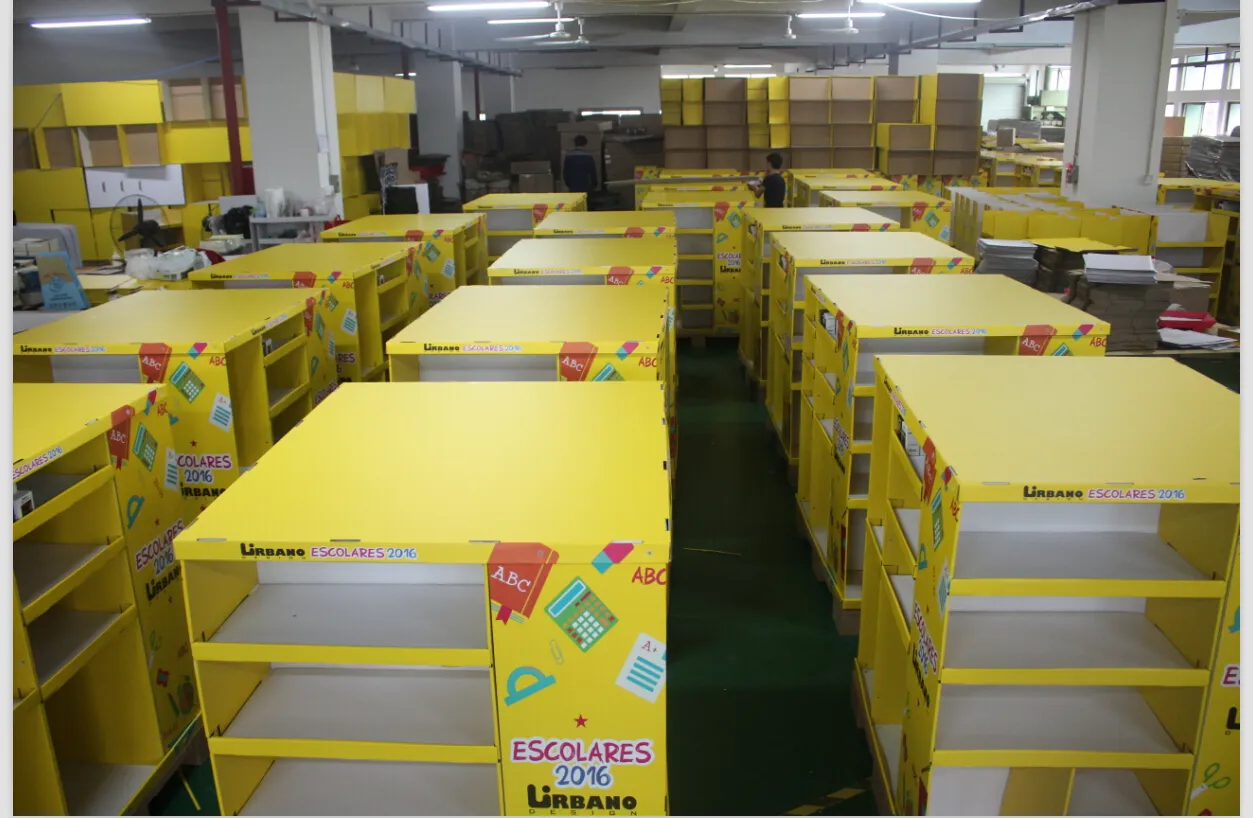
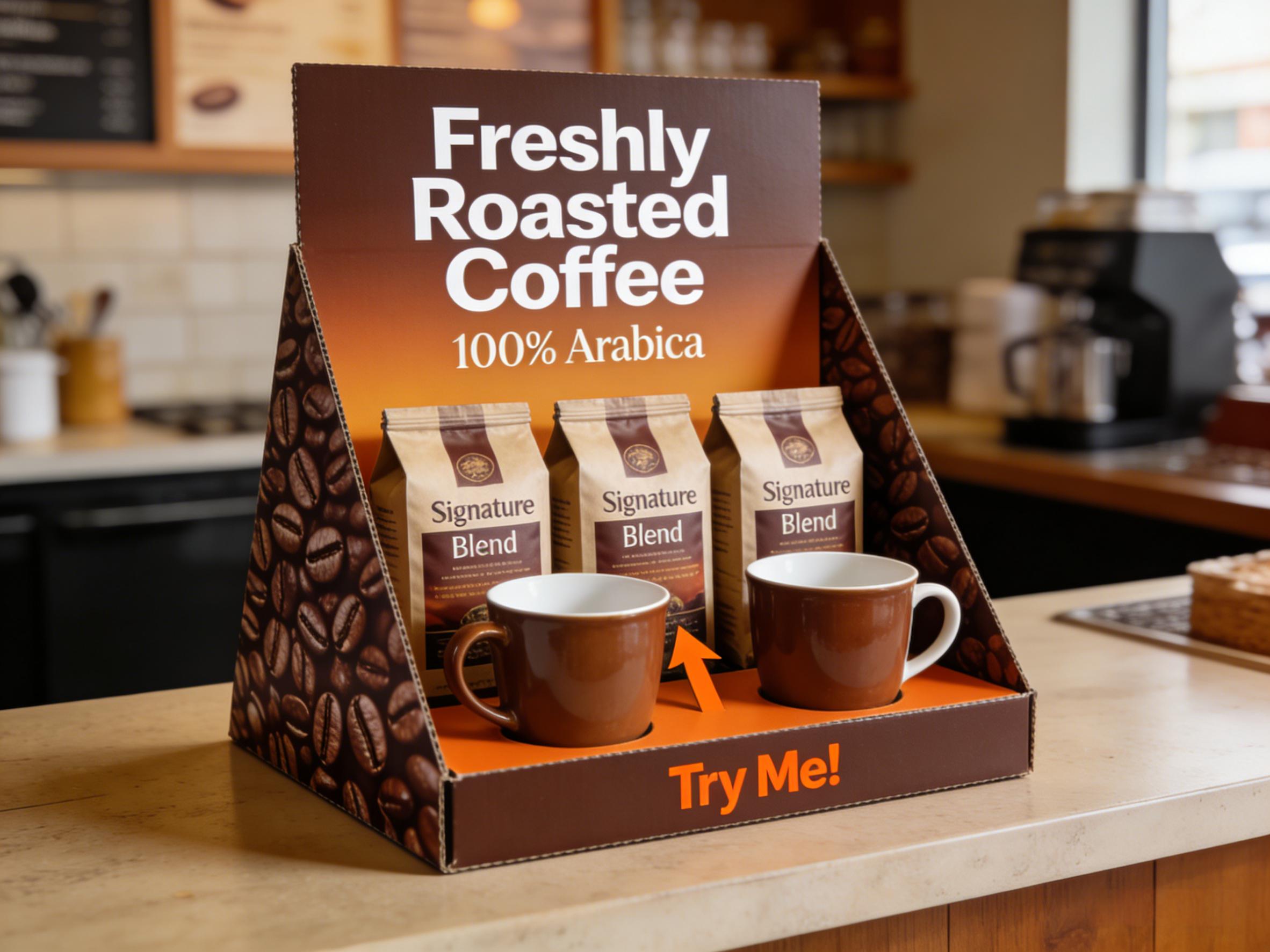
You'll often hear cardboard displays called POP (Point of Purchase) displays, display stands, or display racks. They are essentially marketing tools made from corrugated cardboard, designed to showcase products in retail environments and grab your attention.
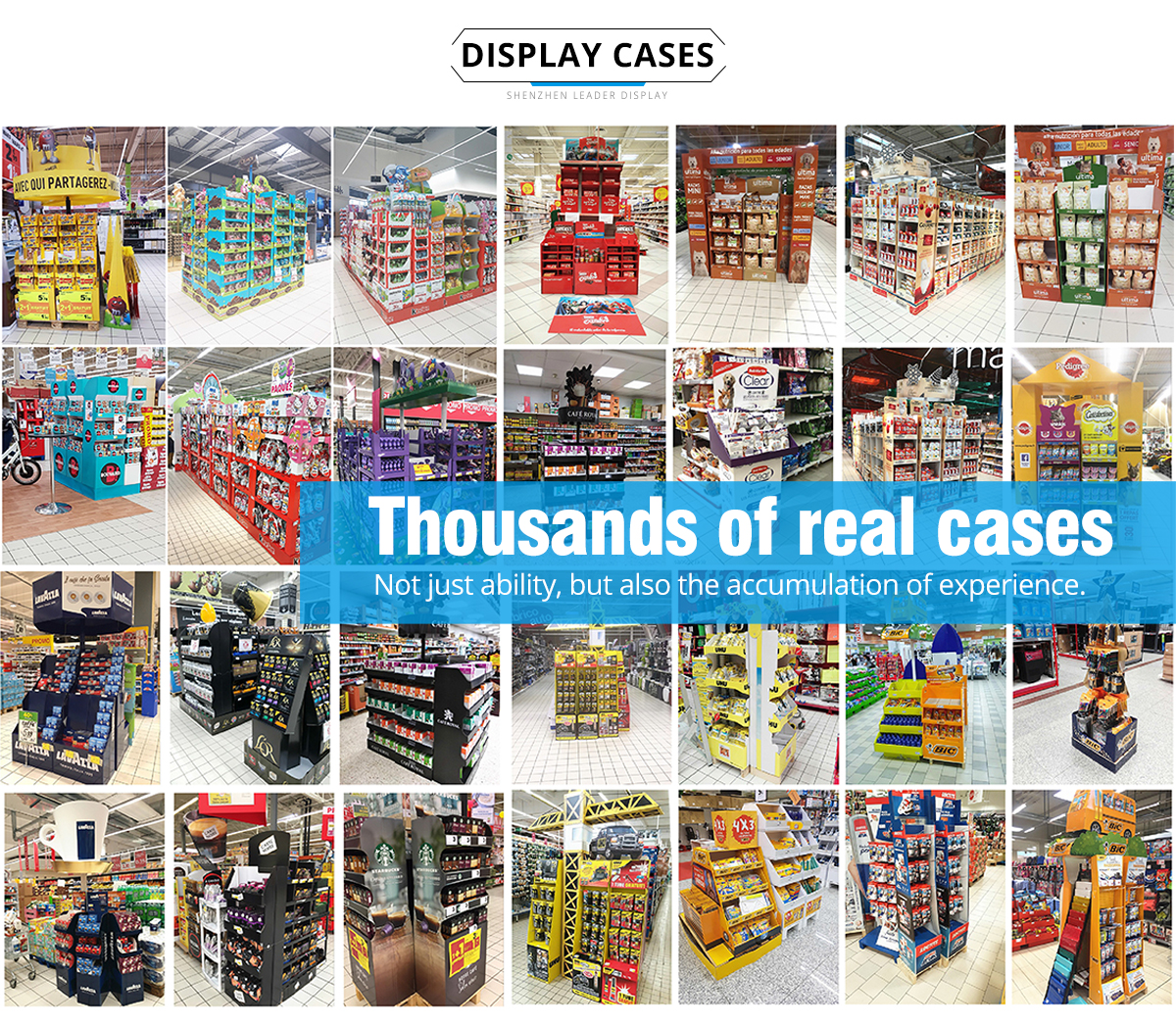
I've been in the cardboard display and packaging industry for 16 years, and I've seen how these simple structures can make a huge difference for a brand. They are more than just boxes; they are a powerful, cost-effective way to boost sales and enhance brand presence. Let's dive deeper into what these displays are all about.
What are those cardboard boards called?
Ever wonder what to call those sturdy, versatile cardboard boards used for displays? It's a common question, and getting the name right helps when you're talking to designers or manufacturers.
These are most accurately called corrugated fiberboard or simply corrugated board. While many people just say "cardboard," that term is a bit too general. Corrugated board refers specifically to the material with a fluted layer sandwiched between flat linerboards.
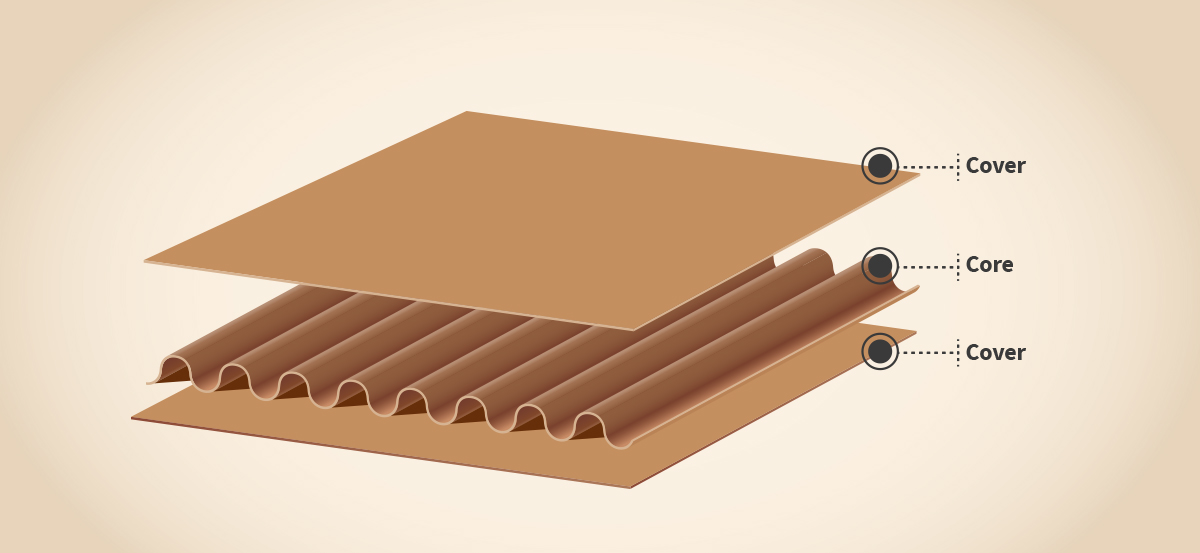
In my experience, understanding the terminology is the first step to getting the display you really want. When I started my company, lddisplay, I made it a point to educate my clients. Knowing the difference between "cardboard" and "corrugated board" helps us have a much more productive conversation. It’s like knowing the difference between a "car" and a "sedan." One is general, the other is specific. Corrugated board is engineered for strength and durability, which is why it's the go-to material for retail displays. It's lightweight, recyclable, and surprisingly strong, thanks to that wavy inner layer. It can be designed to hold a significant amount of weight, making it perfect for everything from small counter displays to large floor stands in supermarkets. So next time you see one, you can confidently call it a corrugated board display.
What are the 5 types of displays with examples?
Thinking about using displays but not sure which type is right for your product? The variety of options can be overwhelming, but each type serves a specific purpose in a retail setting.
The five main types of cardboard displays are Floor Displays, Counter Displays, Pallet Displays, Endcap Displays, and Dump Bins. Each is designed to maximize product visibility and drive sales in different areas of a store.
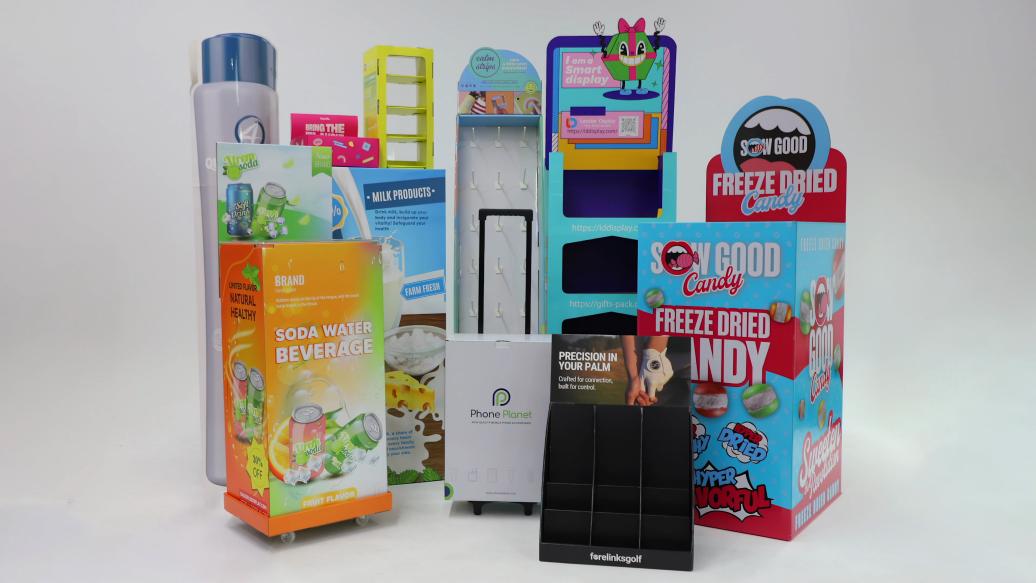
I've helped countless clients choose the perfect display for their needs. It really depends on your product, your target audience, and where in the store you want to be. Let me break down the most common types I work with every day:
| Display Type | Best For | Example |
|---|---|---|
| Floor Displays | High-traffic areas, new product launches | A multi-tiered stand showcasing a new line of snacks in the main aisle of a supermarket. |
| Counter Displays | Small, impulse-buy items at checkout | A small rack holding lip balm and candy right next to the cash register. |
| Pallet Displays | Bulk items in large retail stores like Costco | A large, pre-stocked display of bottled water that can be moved directly onto the sales floor. |
| Endcap Displays | Promoting sales or seasonal items at the end of an aisle | A display featuring barbecue sauce and grilling tools at the end of the condiment aisle during the summer. |
| Dump Bins | Small, irregularly shaped, or discounted items | A large bin filled with various toys on sale in a department store. |
Choosing the right type is crucial. I once worked with a client who wanted to use a simple floor display for a heavy product. I advised them that a Pallet Display would be a much better option for stability and safety. They took my advice, and the launch was a huge success. It's all about matching the display to the product and the environment.
What is a cardboard wall called?
Do you need a large, branded backdrop for a trade show or an in-store event? You might be thinking of what could be described as a "cardboard wall," but there's a more professional term for it.
What you're likely looking for is a Cardboard Standee or a Totem Display. These are large, self-standing displays, often cut into custom shapes, that are used for advertising or creating a branded environment.
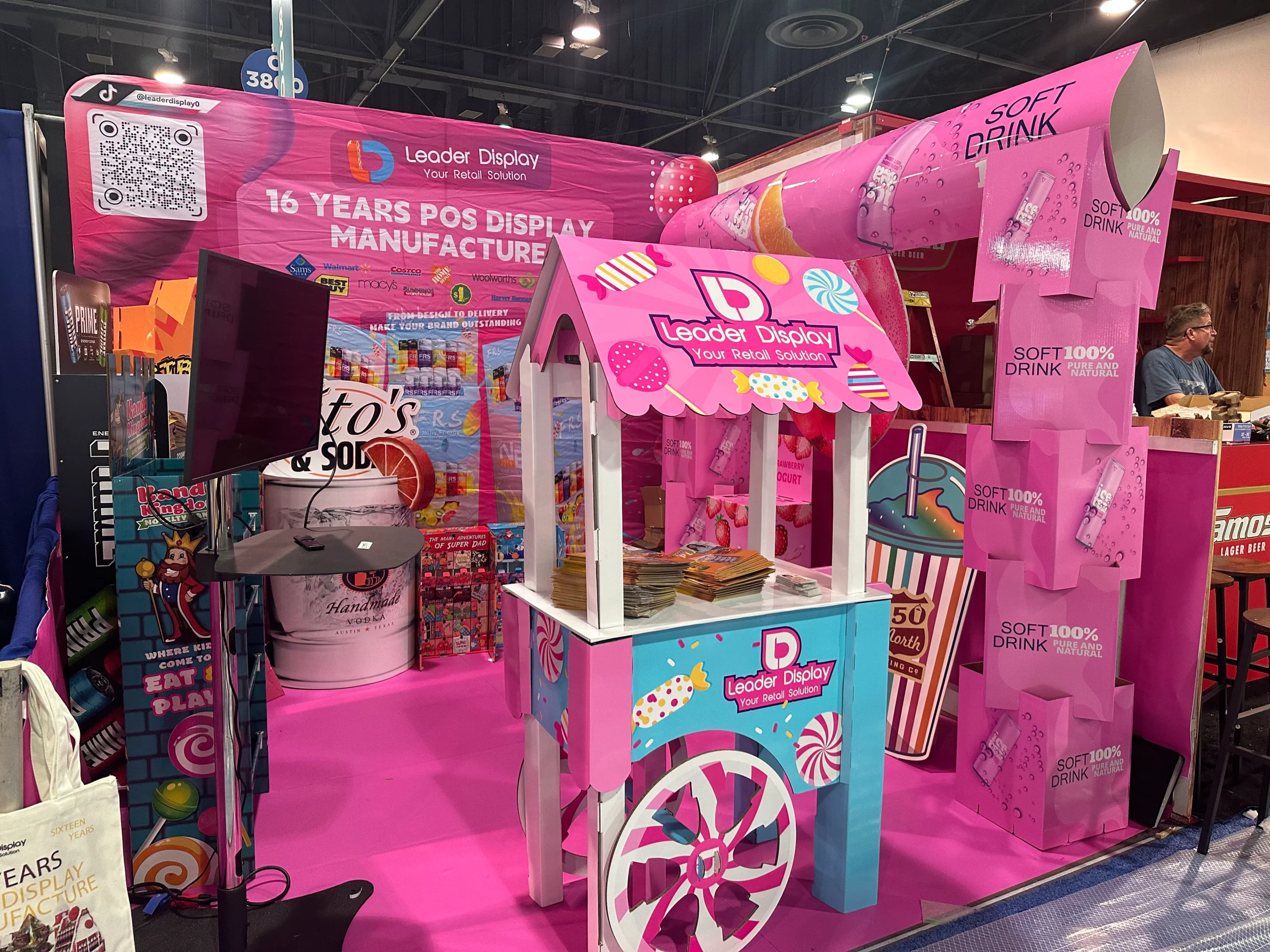
I remember a client, a beverage company, who wanted to make a big splash at a food and wine festival. They wanted something that would be impossible to miss. We designed a massive standee in the shape of their signature bottle. It was over 8 feet tall and printed with vibrant, eye-catching graphics. People were taking pictures with it all day long. It became a landmark at the event. That’s the power of a well-designed standee. They are not just walls; they are experiences. They are lightweight and easy to set up, making them perfect for temporary events. They are also fully customizable, so you can create any shape or size you can imagine. It’s a fantastic way to create a 'wall' of branding that is both effective and easy to manage.
What are cardboard sheets called?
Are you looking for the basic material to create your own displays or packaging? Understanding what to call the individual sheets of cardboard is essential for sourcing the right materials.
The flat sheets of cardboard are typically referred to as corrugated sheets or corrugated pads. They are the fundamental building blocks of all corrugated displays and boxes.
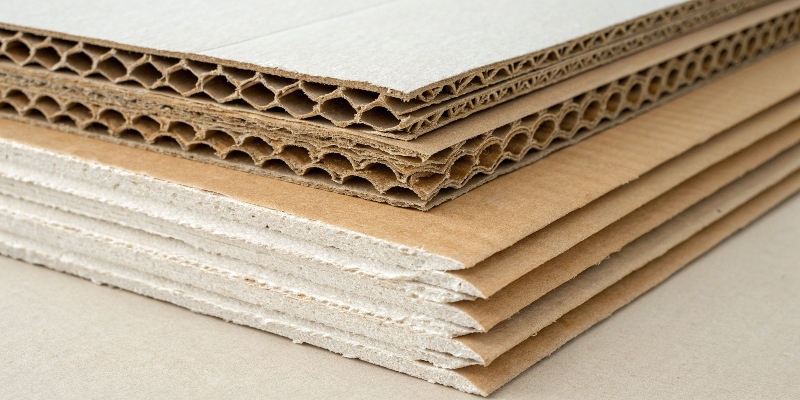
When I first started in this business, I was fascinated by the versatility of a simple corrugated sheet. It’s amazing what you can create from this humble material. Corrugated sheets come in various thicknesses and strengths, which are determined by the "flute" size – the wavy layer inside. The most common flute sizes are 'B' and 'E' for displays because they offer a good balance of strength and a smooth surface for printing. 'C' flute is more common for shipping boxes. You can get single-wall sheets, with one layer of fluting, or double-wall for extra strength. For one project, we used triple-wall corrugated sheets to create a display for a new line of power tools. The client was amazed that a 'cardboard' display could be so robust. So, when you're talking to a supplier, asking for "corrugated sheets" of a specific flute and wall type will show you know your stuff.
Conclusion
In the end, what you call them isn't as important as what they can do for your brand. These versatile, eco-friendly displays are a powerful tool for any business.
My Role
I'm Jason, and with 16 years in the business, I've dedicated my career to helping brands like yours shine. At lddisplay, we're passionate about creating innovative display solutions that are not only effective but also sustainable. We've seen firsthand how the right display can transform a product's presence in a store and drive sales. We're here to share our expertise and help you navigate the world of cardboard displays, from the initial design to the final product. Let's work together to make your brand stand out.