Your premium wine deserves packaging that screams luxury. But customers now demand sustainability. This conflict feels impossible to solve, leaving your brand in a difficult position.
The best way to elevate a premium wine brand with eco-friendly packaging is by using innovative, recyclable materials and clever structural design. High-grade corrugated cardboard, custom-fit inserts, and minimalist printing can create a luxurious, protective, and sustainable experience that boosts your brand's value and appeal.
Over my 16 years in this industry, I've seen a huge shift. Brands used to think that "eco-friendly" meant "cheap." That's just not true anymore. Today, sustainability is a mark of a modern, premium brand. The trick isn't just about choosing recycled paper; it's about engineering a complete packaging solution that feels special from the moment a customer sees it. It’s about creating an experience that protects the bottle, communicates your brand story, and respects the planet. Let’s explore how you can achieve this perfect balance for your wines.
Which Sustainable Materials Best Protect and Present Premium Wine?
You’ve chosen a sustainable material, but it fails, leading to broken bottles. A damaged product means a lost sale, a disappointed customer, and a serious blow to your brand’s reputation.
The best materials are high-quality corrugated cardboard, molded pulp inserts, and FSC-certified paper stock. These options provide superior protection, a premium canvas for branding, and are fully recyclable, meeting both regulatory and consumer demands for sustainability.

As a designer, you know that materials are the foundation of your creation. For premium wine, we need to balance three things: protection, presentation, and planet-friendliness. For years, my team and I have tested countless options. We consistently find that a well-engineered corrugated solution is the winner. It's not about just any cardboard box. We're talking about specific flute types and paper weights chosen for their strength and crush resistance. This is where eco-friendly wine packaging becomes a science. Below is a quick comparison I use to help clients make the right choice.
| Material | Protection Level | Premium Feel | Sustainability |
|---|---|---|---|
| Corrugated Cardboard | Excellent | High (with good design) | Highly Recyclable |
| Molded Pulp | Very Good | Moderate to High | Compostable/Recyclable |
| Rigid Paperboard | Good | Excellent | Recyclable |
Ultimately, combining these materials often yields the best result. For example, a beautifully printed rigid box made from recycled paperboard, secured with a custom-molded pulp insert, offers an unbeatable combination of luxury and responsibility.
How Can Structural Design Enhance Both Sustainability and Luxury?
Your wine is premium, but it arrives in a generic, flimsy box. This cheapens the customer's experience and makes your product feel ordinary, failing to justify its high-end price tag.
Smart structural design transforms a simple box into a premium experience. Custom-fit inserts, unique unboxing mechanisms, and efficient use of material create a sense of luxury while minimizing waste, proving that great design can be both indulgent and responsible.
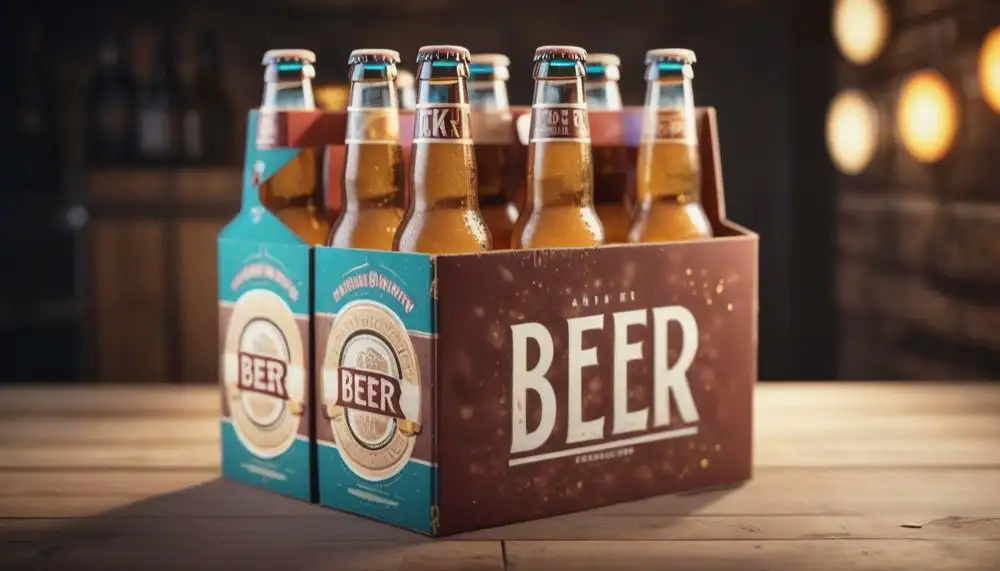
This is where designers like you and I get to have fun. In my experience, the structure is what separates standard packaging from a true luxury experience. It's not just about holding a bottle; it’s about presenting it. At Lddisplay, we use CAD software to perfect these custom structural designs before a single sheet of paper is cut.
Secure Inserts Are Non-Negotiable
The insert is the unsung hero of wine packaging. It must hold the bottle securely to prevent any movement during shipping. Forget foam. We now design intricate, interlocking cardboard inserts that are 100% recyclable. They can be engineered to suspend the bottle, providing incredible shock absorption without any plastic.
The Unboxing Experience Matters
How does the box open? Does it slide out? Does a lid lift off? These small details create a memorable ritual for the customer. A well-designed "reveal" can make the product feel more valuable. We often design packaging that tells a story as it's opened, with printed details on the inside that speak to the wine's origin or tasting notes.
I remember a client who sold a vintage collection. We designed a box that opened like a book, revealing the bottle nestled in a custom-fit insert. It turned a simple purchase into a gift-like experience and their sales reflected that.
Can Sustainable Wine Packaging Actually Boost Your Brand and Save Costs?
You believe that upgrading to luxury, sustainable packaging will be too expensive. This fear holds you back, while competitors are winning over the growing market of eco-conscious premium buyers.
Absolutely. Sustainable packaging builds powerful brand trust with modern consumers. Furthermore, intelligent design using lightweight, strong materials can significantly reduce material and shipping costs, offering a direct and positive impact on your bottom line.
For over a decade, I’ve had to bust this myth: "eco-friendly is expensive." The reality is, smart, sustainable design is an investment with a clear return. It’s not a cost center; it's a profit driver. When you offer custom packaging for your brand that aligns with customer values, you create loyalty that goes beyond the product itself.
Building Brand Trust
Today’s premium consumer doesn’t just buy a product; they buy into a brand's story and its values. Announcing your move to 100% recyclable, plastic-free packaging is a powerful marketing message. It shows you're a forward-thinking leader, not just a follower. This resonates deeply, especially with younger, affluent demographics who actively seek out responsible brands.
Reducing Shipping Weight and Costs
Heavy, old-fashioned packaging (like wooden crates or boxes with foam inserts) is expensive to ship. By engineering a solution with lightweight high-quality corrugated cardboard, we can often reduce the package weight by 30-50% without sacrificing protection. Over thousands of units, that's a massive saving on logistics. It’s a win for the planet and a win for your budget. We've helped clients re-invest those savings into other areas, like marketing or even displaying their products on our custom cardboard display stands in retail stores.
Conclusion
Eco-friendly packaging is no longer a compromise. It is a strategic advantage that protects your product, elevates your brand, and secures your future in the premium wine market.