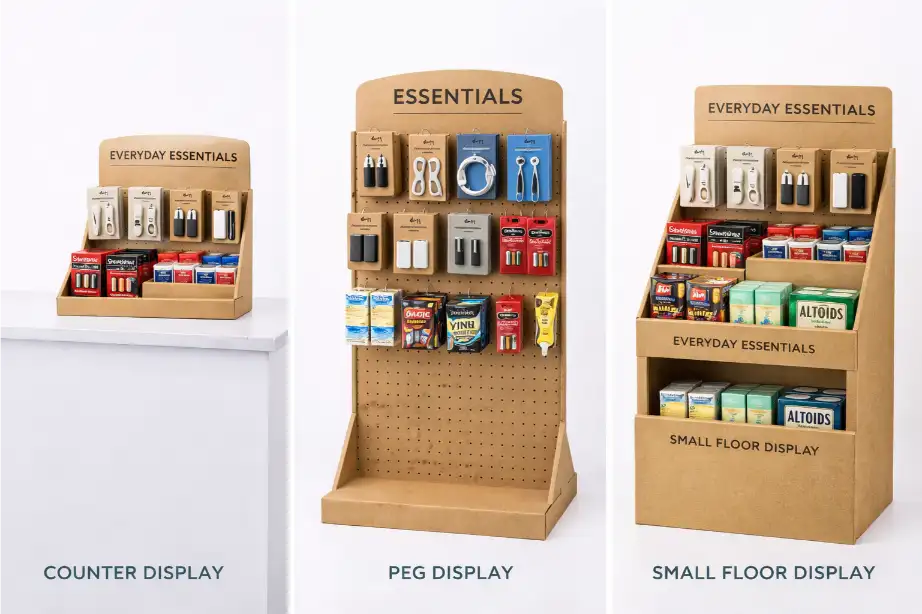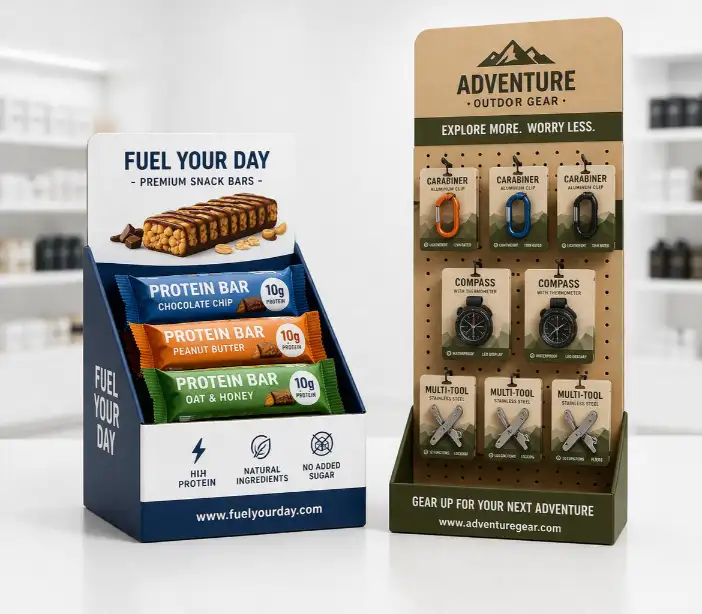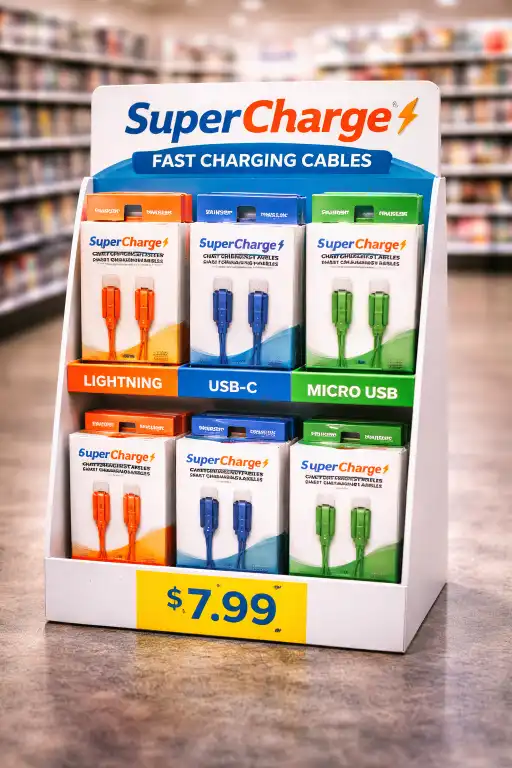
Your new cosmetic line is ready, but the launch feels risky. Will it capture attention in a crowded store? The right countertop display is crucial for making that vital first impression.
A well-designed cosmetic countertop display is your silent salesperson. It grabs customer attention, showcases your product's best features, and uses limited counter space to drive impulse purchases. It’s the key to turning a shopper's glance into a sale, directly impacting your launch's success.
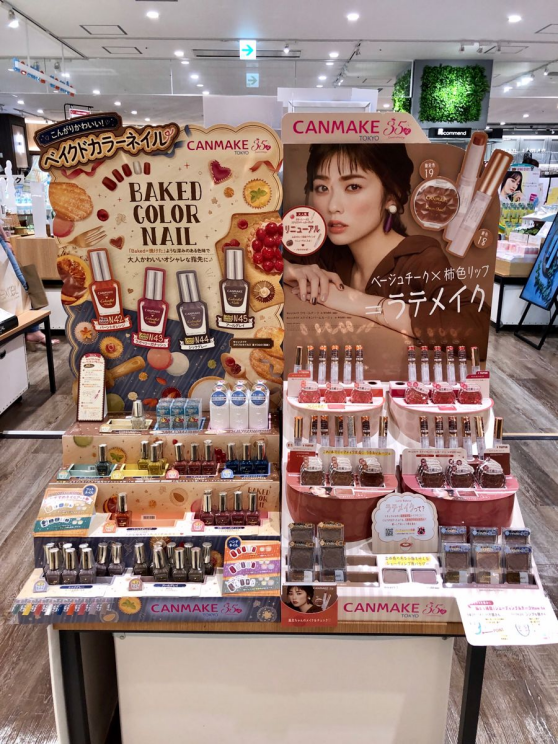
I’ve seen amazing products fail simply because they were invisible on the shelf. The retail counter is a battlefield for attention, and without the right weapon, even the best products get lost. Your display isn't just a holder; it's a vital part of your marketing strategy. It needs to communicate your brand's story and value in seconds. Let's explore how to ensure your display works as hard as you do.
What Materials Should You Choose for a Cosmetic Countertop Display?
You're wondering if cardboard is too simple or if acrylic is worth the cost. Choosing the right material feels overwhelming, but it’s a decision that directly impacts brand perception and budget.
The best material depends on your campaign's length and brand image. Cardboard is perfect for short-term, cost-effective promotions, while acrylic, wood, or metal offer a premium feel and durability for permanent collections. Your choice should align with your product's price point and brand story.
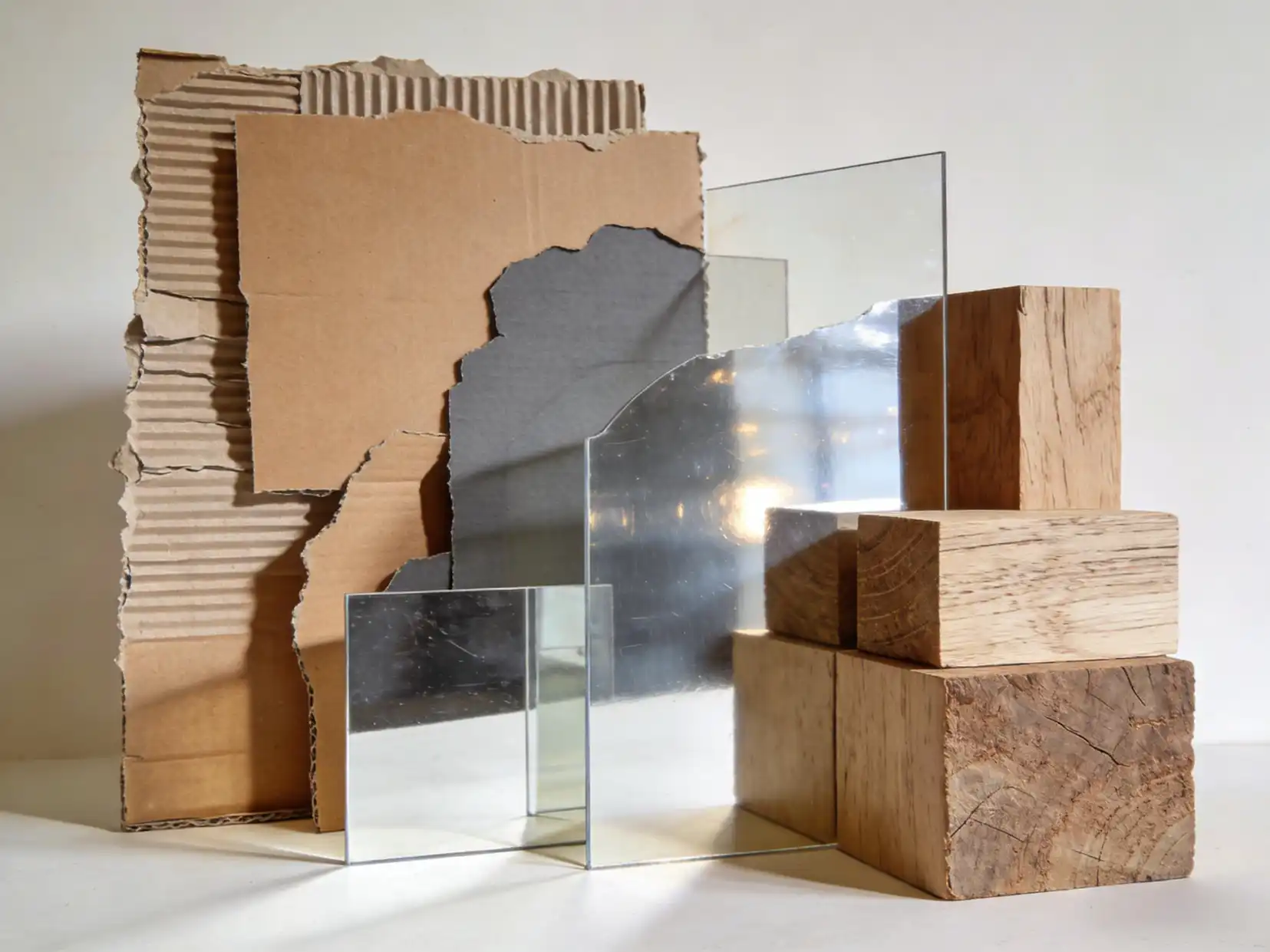
In my 16 years in this industry, I've worked on countless projects where the material choice was the tipping point. For a designer like Peter, who has to balance aesthetics with production reality, this is a daily challenge. The decision isn't just about looks; it's about communicating value. A luxury serum in a flimsy cardboard box sends a mixed message. On the other hand, an expensive acrylic stand for a single-season lipstick shade might not be a wise investment. I always advise clients to think about the display's lifespan. Is this for a holiday promotion or a permanent part of your brand's identity? Answering that question is the first step. Below is a simple breakdown I often share with my team to guide clients through their options.
Material Breakdown for Impact and Budget
| Material | Best For | Key Benefits | Considerations |
|---|---|---|---|
| Corrugated Cardboard | Short-term promotions, new launches | Cost-effective, lightweight, highly customizable printing | Less durable, perceived as less premium |
| Acrylic | Permanent displays, luxury products | Sleek, modern, premium look, durable | Higher cost, can scratch if not handled well |
| Wood | Eco-conscious brands, natural products | Sustainable, warm, high-end feel | Heavier, potentially higher cost than acrylic |
| Metal | Ultra-luxury, exclusive collections | Extremely durable, sophisticated, unique finishes | Highest cost, complex manufacturing |
Ultimately, the material you choose tells a story. Cardboard tells a story of agility and affordability, perfect for fast-moving trends. Acrylic and wood speak of permanence and quality. Your material choice should be a deliberate echo of your brand's voice.
How Can Customization Elevate Your Brand's Countertop Presence?
You have a great logo and brand colors, but how do you apply them effectively? A generic display won't do your unique brand justice, and poor customization can look cheap and unprofessional.
Customization turns a simple stand into a powerful branding tool. By integrating your brand's unique colors, logo, and messaging through high-quality printing and structural design, you create a cohesive experience that attracts your target audience and makes your products instantly recognizable.
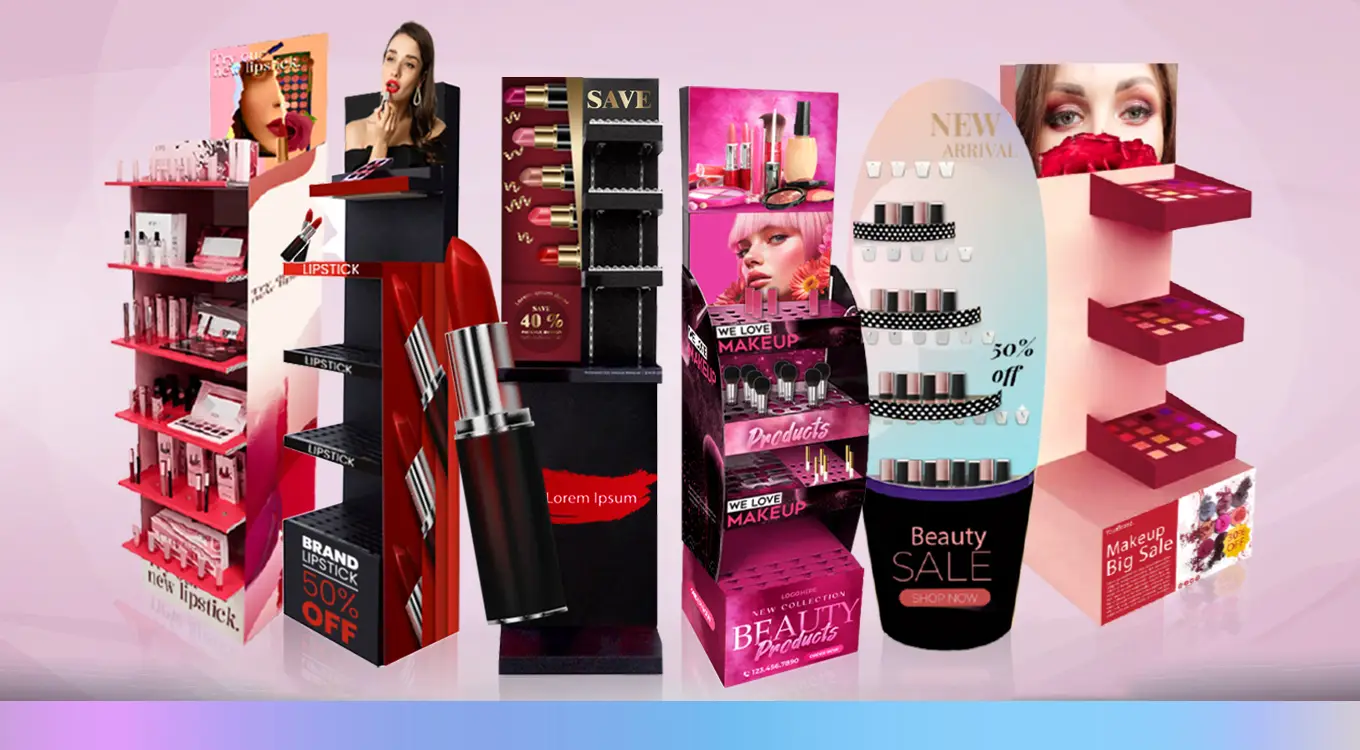
I remember working with a startup that had a fantastic organic skincare line. They initially wanted a standard, off-the-shelf acrylic display. I suggested we try something different. We designed a custom cardboard display shaped like a leaf, using matte lamination to give it an earthy, premium feel. The unique shape and branding were a huge hit. It’s a perfect example of how thoughtful customization can make a brand stand out. For a designer like Peter, the real creativity lies in translating a brand's identity into a three-dimensional object. It's not just about slapping a logo on a box; it's about creating a structure that feels like it grew from the brand itself. This means thinking about every detail, from the finish on the print to the way the products are angled towards the customer.
Key Customization Techniques
- Structural Design: Don't just think in squares. We can create custom shapes and tiers that complement your product packaging. Imagine a display for a honey-based lip balm shaped like a honeycomb. This kind of structural creativity makes a display unforgettable.
- Printing and Finishes: The quality of the print can make or break a design. We use techniques like high-resolution offset printing to ensure colors are vibrant and true to your brand. Finishes like glossy or matte lamination not only protect the display but also add a tactile element that enhances the perception of quality.
- Interactive Elements: Customization can also mean adding a small tester holder, a mirror, or even a QR code that links to a tutorial. These elements invite the customer to engage with the product, moving them closer to a purchase decision.
Every customization choice should be intentional. It should serve the dual purpose of strengthening your brand identity and making the shopping experience easier and more enjoyable for your customer.
What Are the Key Structural Features of an Effective Cosmetic Display?
You've got the materials and branding, but will the display actually work? A display that is difficult to assemble, easily damaged, or unable to hold your products securely can turn into a retail nightmare.
An effective cosmetic display must be structurally sound, easy to assemble, and perfectly sized for both your products and the retail environment. Features like reinforced tiers for heavier items and an intuitive, flat-packed design save time and ensure your product is presented flawlessly.
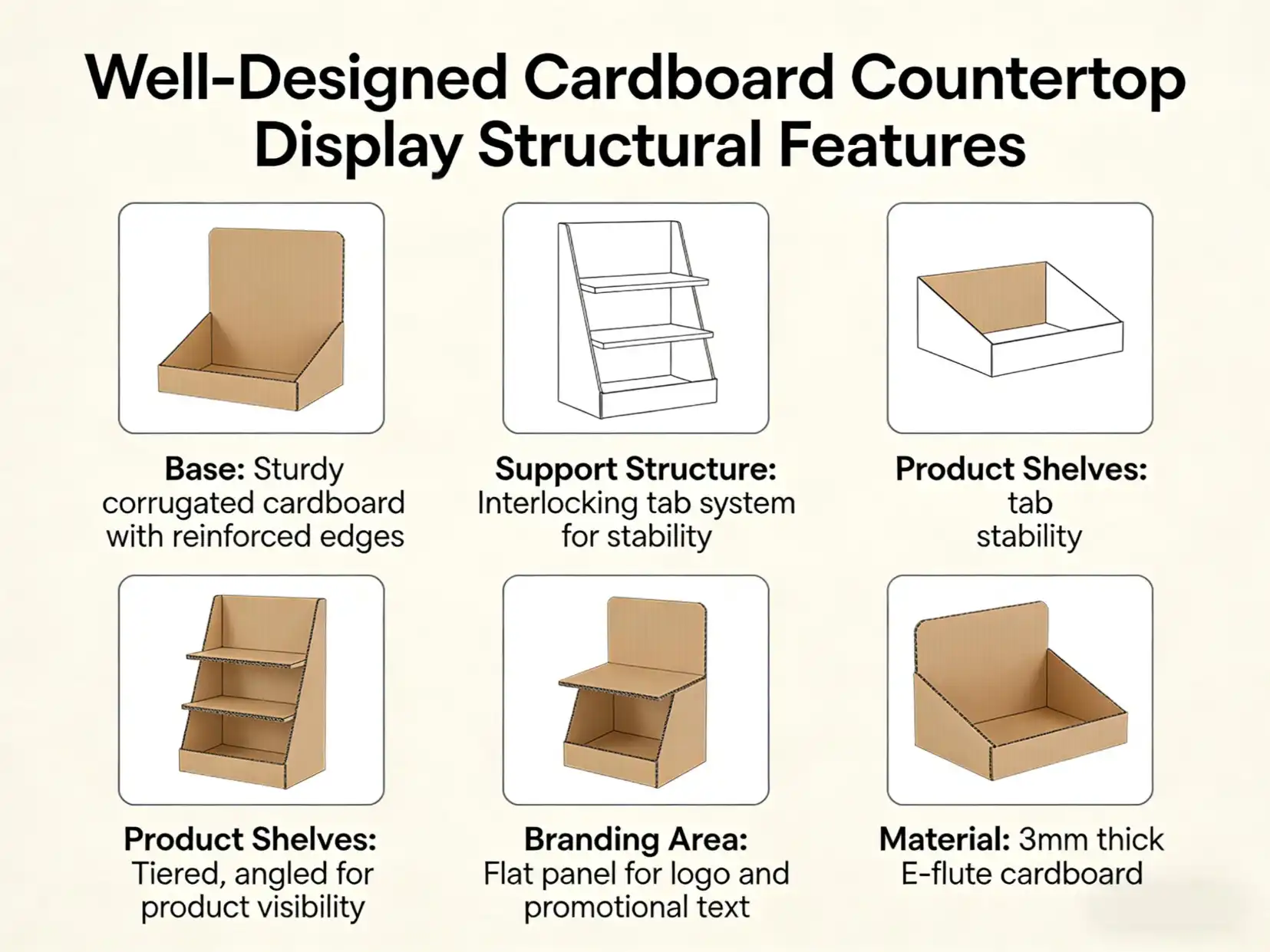
One of the biggest lessons I've learned is that a beautiful design is useless if it doesn't function in the real world. I once saw a competitor's display for a new foundation line collapse in-store because the cardboard grade wasn't strong enough for the glass bottles. It was a disaster for the brand. This is why I always emphasize the importance of structural integrity to my design team. For someone like Peter, who is deep in the technical details, this is about more than just aesthetics; it's about physics and logistics. The design must be robust enough to survive shipping and handling, and simple enough for a busy store employee to assemble in minutes. We spend a lot of time creating prototypes to test these factors.
Essential Structural Considerations
| Feature | Why It Matters | Lddisplay's Approach |
|---|---|---|
| Material Strength | Prevents collapse and ensures product safety, especially with heavier items like glass jars or palettes. | We select the appropriate corrugated flute (e.g., B/E flute) and thickness based on product weight, ensuring stability. |
| Tiered Design | Maximizes visibility for multiple products in a small footprint, allowing each item to be seen clearly. | We create custom-sized tiers and compartments, ensuring a snug and secure fit for each product to prevent them from shifting. |
| Ease of Assembly | Retail staff are busy. A complex display may be assembled incorrectly or not at all. | All our cardboard displays are designed to be flat-packed for cost-effective shipping and come with simple, intuitive assembly instructions. |
| Compact Footprint | Counter space is extremely limited and valuable. A bulky display is less likely to be used by retailers. | We design to maximize vertical space while keeping the base footprint as small as possible, respecting the precious real estate of the checkout counter. |
A great display is a blend of art and engineering. It must look amazing, but it also has a practical job to do. Getting the structure right is the foundation of a successful launch.
Conclusion
Your countertop display is your launch's silent champion. By choosing the right materials, embracing customization, and insisting on a sound structure, you create a powerful tool that secures success.