T-shirts piled high look messy. Customers walk past, missing your best designs. You need a way to grab their attention and boost your sales right on the retail floor.
A custom 10-cubby cardboard t-shirt display transforms messy piles into an organized, eye-catching showcase. It highlights each design, attracts customers with bold branding, and uses its smart layout to make shopping easy and increase revenue. It's a simple, powerful sales tool.
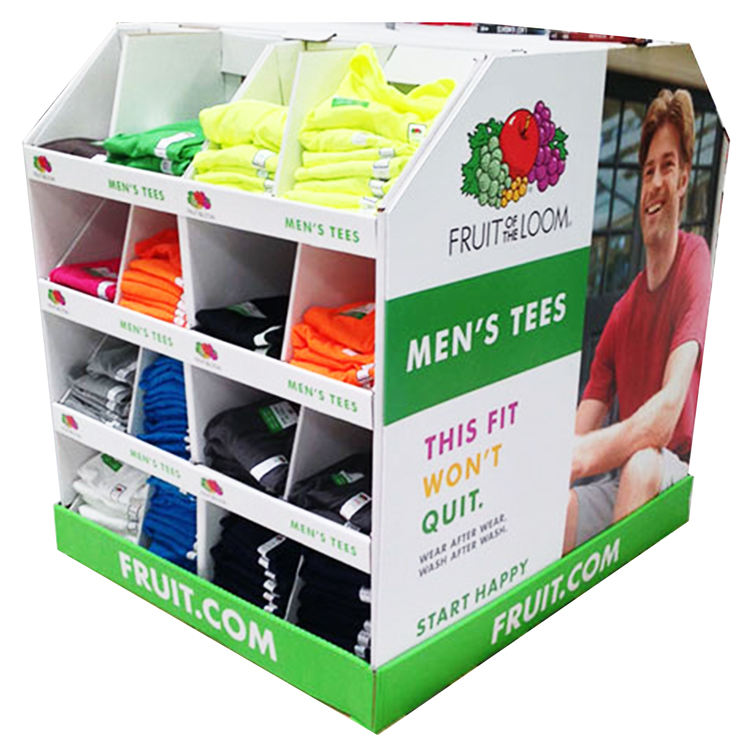
As someone who has spent 16 years in the commercial display industry, I've seen brands struggle with in-store presentation. You can have the best t-shirt designs in the world, but if they're hidden in a disorganized heap, they simply won't sell. A well-designed display is more than just a holder for your products; it's a silent salesperson working for you 24/7. It communicates your brand's quality and makes it easy for customers to say "yes." Let's explore why this specific type of display is so effective and how you can get it right.
What Makes Cardboard the Perfect Material for Your T-Shirt Display?
Worried about high costs and environmental impact? Traditional materials can be expensive and aren't always sustainable. You need a solution that’s both affordable and eco-friendly for your brand.
Cardboard is the ideal choice. It’s lightweight, which significantly cuts your shipping costs. It’s also highly customizable for printing your brand, surprisingly durable for retail use, and fully recyclable. This makes it a smart, sustainable, and budget-friendly option for any apparel brand.

In my experience, many brands underestimate the power of corrugated cardboard. They think of it as just a packaging material, but its potential in retail is enormous. The secret lies in its structure and versatility. When I work with clients like Peter, a product designer, we often focus on how the material itself can solve major business challenges. A cardboard floor display is not a compromise; it's a strategic choice.
Strength and Durability
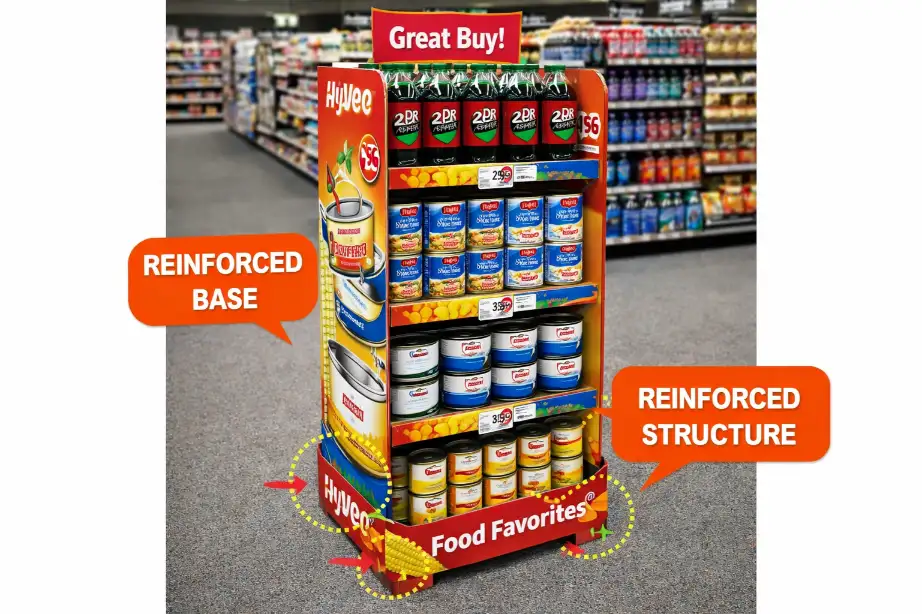
Don't let the word "cardboard" fool you. Modern corrugated cardboard, especially grades like K5 or K3 that we use, is engineered for strength. The internal fluting provides impressive structural integrity, allowing a 10-cubby display to hold dozens of t-shirts without sagging. It’s designed to withstand the tough retail environment for an entire promotional campaign.
Unbeatable Customization and Cost
This is where cardboard truly shines compared to materials like plastic or metal. The surface is a blank canvas. We can print high-resolution graphics, bold logos, and vibrant brand colors directly onto the display. Here’s a quick comparison:
| Feature | Cardboard | Plastic/Metal |
|---|---|---|
| Tooling Cost | Very low to none | High initial mold costs |
| Printability | Excellent, full-color | Limited and more expensive |
| Weight | Lightweight, low shipping cost | Heavy, high shipping cost |
| Sustainability | Recyclable & often made from recycled content | Difficult to recycle |
For a t-shirt brand, this means you can create a stunning, fully branded commercial cardboard display for a fraction of the cost of other materials.
How Do You Design a T-Shirt Display That Actually Sells?
Your display looks boring and doesn't stand out from the competition. Shoppers just ignore it as they walk by. You need a thoughtful design that stops them in their tracks.
An effective design combines striking graphics, a clear brand message, and a smart structure. Use your logo and brand colors boldly. Organize shirts by size or design in separate cubbies. Add a clear call-to-action on a header card to guide customers and drive purchases.
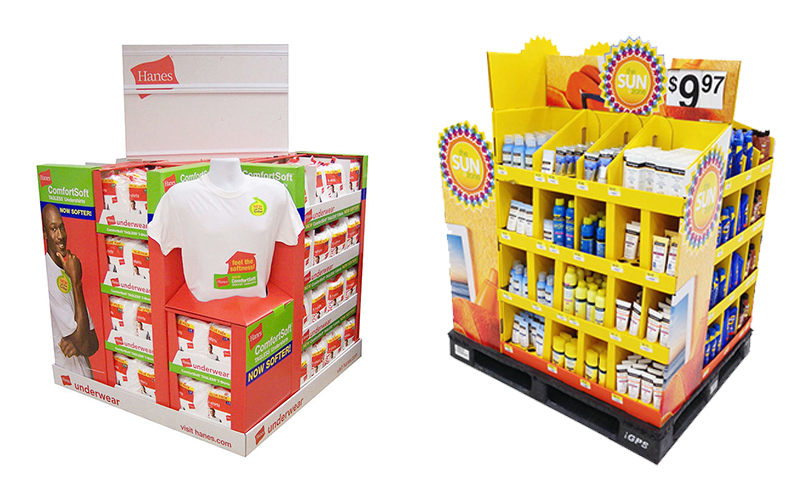
I remember working with a small apparel company that was launching a new line of graphic tees. Their initial plan was just to put them on a generic rack. I convinced them to invest in a custom printed display designed around their brand story. The result? Their sell-through rate tripled in the first month. The display didn’t just hold shirts; it told a story. Your display needs to do the same.
The Anatomy of a High-Converting Display
A successful design is a sum of its parts. Each element has a job to do, from grabbing attention to closing the sale.
- Header Card: This is your billboard. It should be visible from across the aisle and feature your logo and a catchy tagline. Think of it as the headline for your products.
- The 10 Cubbies: This specific layout is brilliant for organization. You can arrange shirts by size (S, M, L, XL), color, or design. This prevents the dreaded "messy pile" and helps customers find exactly what they're looking for without frustration.
- Side Panels: These are often-wasted real estate. Use them to tell more of your brand story, showcase lifestyle images of people wearing your shirts, or highlight key features like "100% Cotton."
- Base: The base should be sturdy and can also feature branding or a simple pattern that complements the overall design.
Quick Design Checklist
When my team and I brainstorm with designers like Peter, we use a simple checklist to ensure every display is set up for success.
| Design Element | My Pro Tip for Success |
|---|---|
| Visual Hierarchy | Your logo and main message should be at the top. The products are the hero, so the graphics should frame them, not overpower them. |
| Color Psychology | Use your brand colors strategically. Bright, warm colors attract attention, while cool colors can give a more premium feel. |
| Clear Messaging | Keep text minimal and impactful. Use phrases like "New Arrivals," "Limited Edition," or just the price. |
| Folded Shirt Size | Before finalizing the cubby dimensions, decide exactly how you want the t-shirts to be folded. The fit should be snug but not tight. |
What Are the Biggest Mistakes to Avoid with Retail Displays?
You invested time and money into a new display, but it's not working. Sales are flat, and the unit looks flimsy or messy after just a few days. What went wrong?
The biggest mistakes are over-cluttering the display, using a weak or generic design, and choosing the wrong material. A messy display confuses customers. A design that doesn't pop becomes invisible. And a flimsy stand undermines your brand’s quality. Keep it simple and strong.
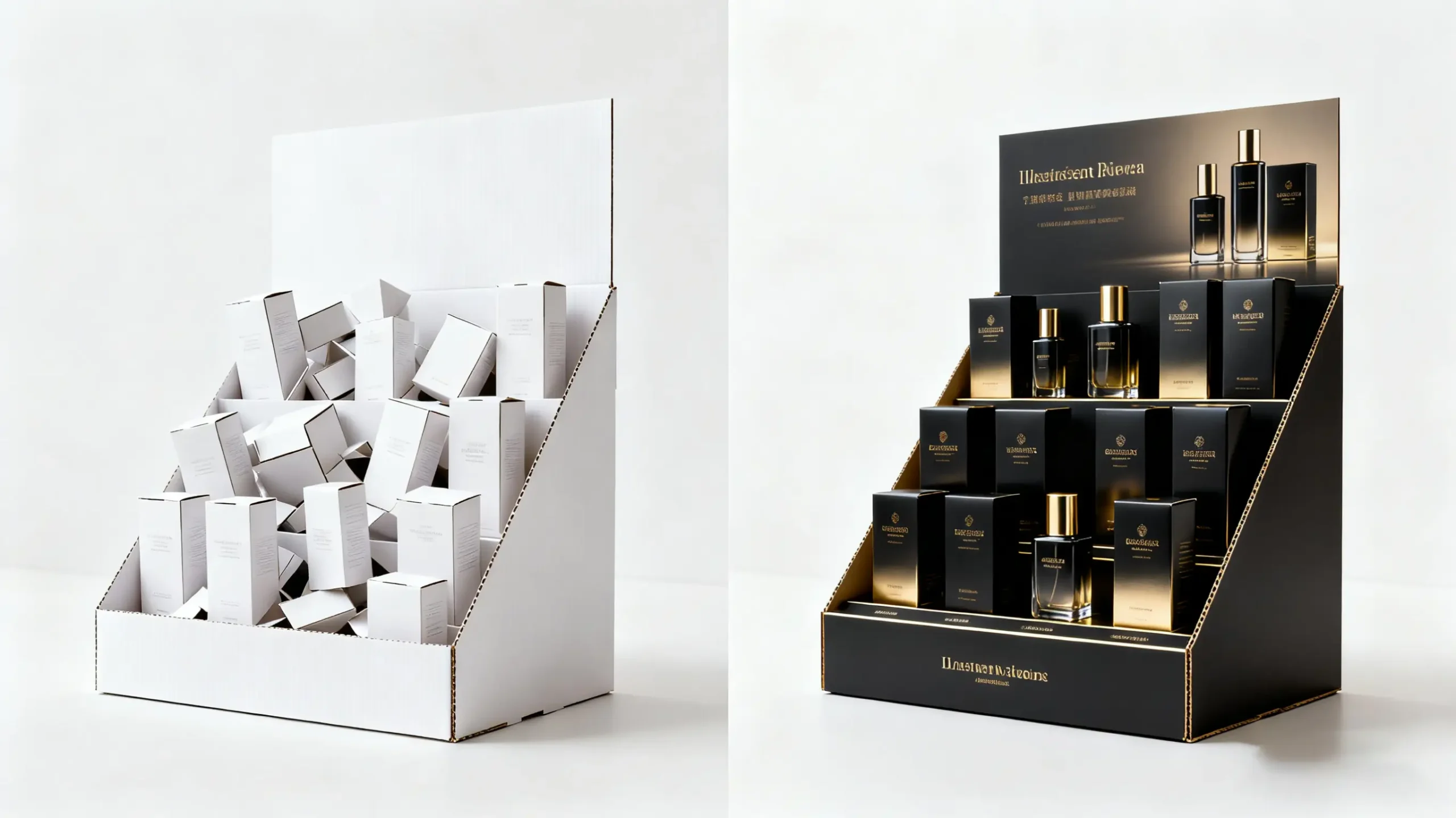
After 16 years, I’ve seen it all. The most painful thing is watching a brand with a great product fail at the point of sale because of a preventable mistake. Your display is the final handshake with the customer before they buy. A weak handshake leaves a bad impression. Let’s look at the most common errors I see and how you can easily fix them. These are the details that separate amateur efforts from professional retail display solutions.
Going Overboard with Information
One of the most frequent mistakes is trying to say too much. Designers get excited and cram the header, sides, and even the cubbies with text and graphics. This creates visual noise that overwhelms shoppers.
- The Problem: When a customer can't figure out what to look at in three seconds, they move on.
- My Solution: Follow the "3-Second Rule." A shopper should be able to understand your brand, your product, and the main message (e.g., "New Designs") almost instantly. Prioritize your logo and a single, powerful message. Let the t-shirt designs do the talking.
Ignoring the Realities of the Retail Floor
A display that looks perfect in a 3D render can fail in a real store. Designers must think about the practical side of things.
| Common Mistake | Why It's Bad | How to Fix It |
|---|---|---|
| Overloading the Cubbies | Store staff will cram in too many shirts, making them wrinkled and hard to remove. This cheapens the product. | Design the cubbies to hold a specific, ideal number of folded shirts (e.g., 8-10). Include a small visual guide for staff if possible. |
| Flimsy Material | The display sags or gets damaged easily, making your entire brand look cheap and unreliable. | Specify the right material. For a floor display, I always recommend K5 corrugated board for the outer layers and a strong structural design. Don't cut corners on material. |
| No Clear Call to Action | The display looks nice but doesn't tell the customer what to do. | Integrate a simple, direct command. "Shop the Collection," "Grab Your Size," or even a simple price point can be a powerful call to action. |
Ultimately, a great display is a partnership between creative design and a deep understanding of shopper behavior and the retail environment.
Conclusion
A custom cardboard t-shirt display is a simple, powerful tool. It organizes your products, showcases your brand with style, and ultimately drives more sales. It's a smart investment that pays off.