A cardboard display for travel-size products needs to do more than hold small items. It must keep mini packs visible, easy to pick, simple to refill, and stable during retail use. For brands selling trial-size skincare, personal care, snacks, cosmetics, oral care, or travel kits, the right display format can make the product feel organized instead of easy to ignore.
Travel-size products create a special display challenge. They are small, light, and often sold in mixed assortments, so they can look messy on a normal shelf. A well-designed cardboard display gives each SKU a clear position, protects the product during transport, and helps retail staff place the display quickly.
At Leader Display, we often look at four things first: product size, product weight, retail location, and refill method. These details decide whether a counter display, PDQ tray, floor display, peg display, or sidekick display will work better.
Why Travel-Size Products Need a Purpose-Built Display
Small products have strong sales potential because they fit impulse buying, trial campaigns, seasonal bundles, checkout zones, hotel retail, airport shops, pharmacies, and convenience stores. The problem is that small packaging can disappear in a crowded retail space.
A purpose-built display solves that problem by creating a small “retail zone” around the product. The structure can separate different scents, colors, flavors, or sizes. It can also hold header graphics, price areas, and simple buying messages.
For B2B buyers, this matters because retail teams care about placement speed, footprint control, and product order. If the display arrives flat packed with clear assembly steps, retailers can set it up without extra tools. If it arrives pre-packed as a PDQ unit, the store can move it directly from carton to shelf.
A good design starts with practical questions:
What is the product weight per unit?
How many units should each display hold?
Will the display sit on a shelf, counter, floor, pallet, or side panel?
Does the retailer need easy refill access?
Will the display ship empty, flat packed, or pre-filled?
These questions shape the structure long before the artwork is printed.
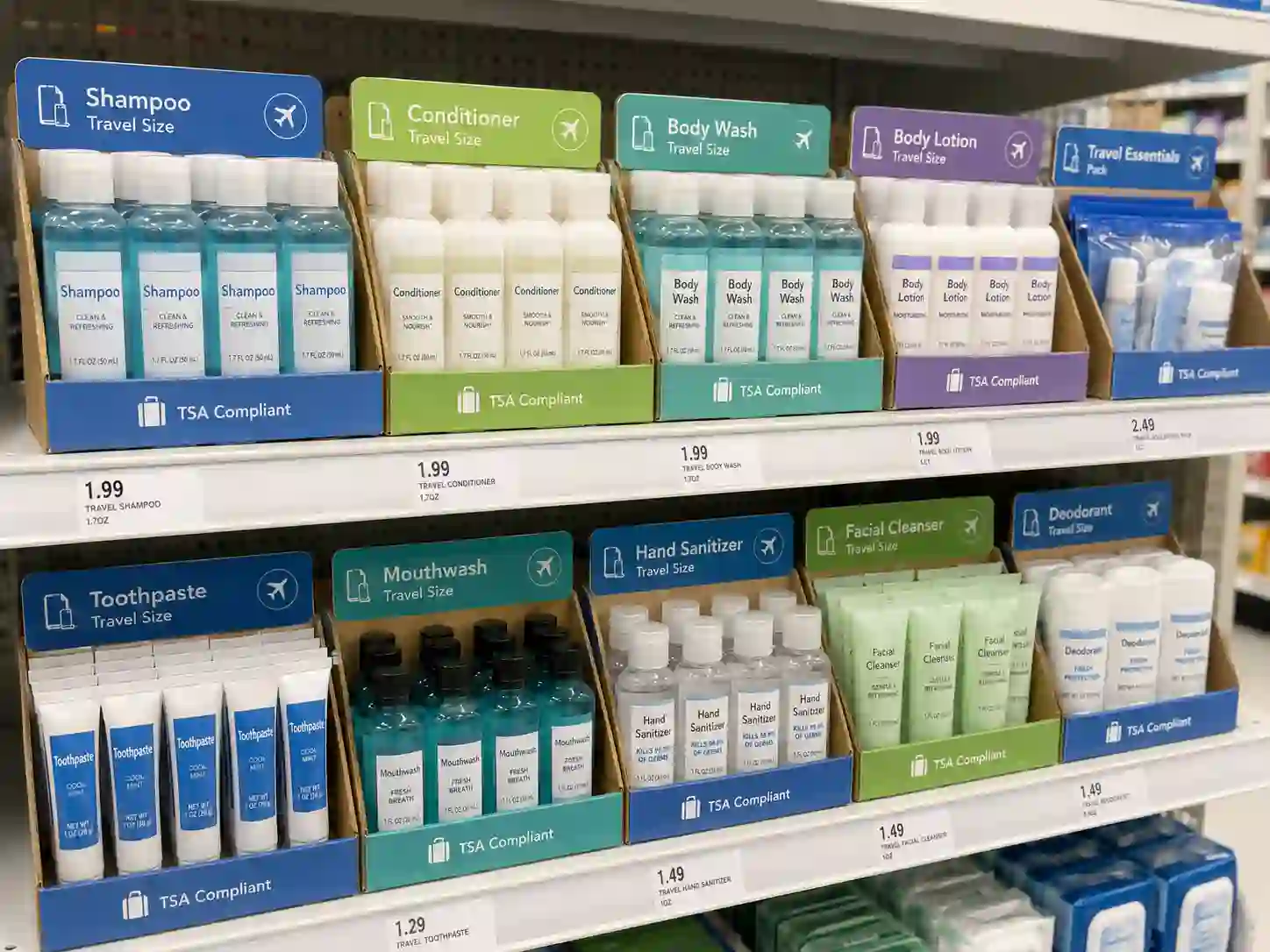
Main Cardboard Display Options for Travel-Size Products
Different retail positions need different display formats. A travel-size shampoo tube does not sell the same way as a mini perfume, sample sachet, candy pouch, or small boxed kit. The display should match how the buyer will see and pick the item.
Counter Displays for Checkout and Service Desks
Counter displays work well for travel-size products that rely on impulse buying. They are common in pharmacies, beauty stores, hotel shops, airport retail counters, and specialty stores.
This format is useful when the product is small, light, and easy to pick by hand. The display can include stepped trays, divided compartments, angled shelves, or front lips to stop products from falling forward.
For example, mini hand creams, lip balms, travel toothpaste, facial masks, or single-use personal care packs often work well in counter units. A header card gives enough space for a product benefit, promotion message, or QR code.
The main limitation is capacity. A counter display should not become too wide or tall because store staff need clear counter space. For heavier products, we add stronger paperboard, corrugated backing, or inner dividers to keep the unit square.
PDQ Displays for Fast Retail Placement
PDQ displays are ideal when speed matters. A PDQ display can ship with products already loaded inside, then move from master carton to retail shelf in minutes. For travel-size products, this helps reduce labor and keeps the first shelf presentation clean.
Retail buyers often like PDQ trays for seasonal launches, trial-size promotions, bundle testing, and multi-SKU programs. The tray can include dividers for each SKU, a printed header, tear-away shipping cover, and a reinforced base.
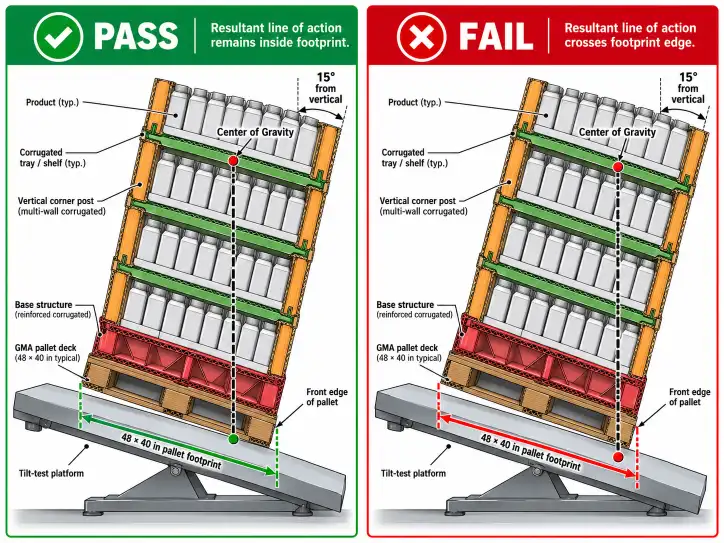
For brands planning chain-store rollouts, PDQ structure testing is important. The tray must survive packing, transport, warehouse handling, and shelf placement. During sampling, we check product fit, stacking direction, divider strength, front lip height, and how the unit opens after shipment.
You can explore more display formats through custom cardboard display solutions when planning a campaign across multiple retail channels.
Peg Displays for Hanging Mini Packs
Peg displays work well for travel-size products packed in blister cards, hang cards, pouches with hang holes, or small boxes with retail tabs. They are useful when the product should face forward and remain easy to browse.
This format is common for small accessories, travel grooming tools, mini oral care products, sample packs, and compact retail kits. Peg hooks help organize SKUs by type, flavor, color, or function.
The structure needs enough backing strength because the load hangs forward from the board. For lightweight products, a corrugated back panel with paper hooks or plastic hooks may work. For heavier packs, reinforced holes, stronger hooks, or a double-wall backing may be needed.
A peg display can be built as a counter peg display, floor peg display, or sidekick display. The best option depends on store traffic flow and retailer rules.
Floor Displays for Larger Assortments
Floor displays are better when the brand needs more capacity or a stronger retail presence. Travel-size products can be small, but a full campaign may include many SKUs, refill stock, or bundle options.
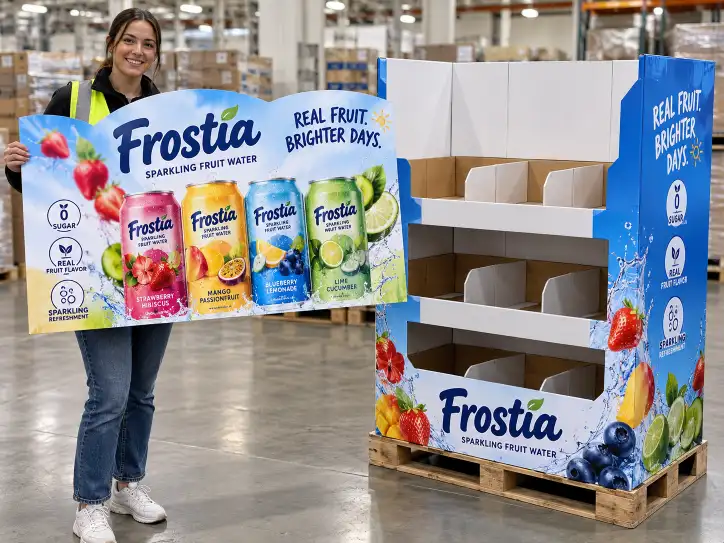
A floor display can use shelves, trays, compartments, hooks, or dump areas. It can also include a large header, side panels, and brand blocks that make the promotion more visible from a distance.
This format is useful for product launches, holiday travel campaigns, airport retail, club store programs, and beauty or personal care assortments. For light products, the display can remain easy to move. For mixed cartons, bottles, or boxed kits, the display needs a stronger internal frame.
As a practical cardboard display manufacturer, we recommend testing the loaded sample before mass production. The test should include load balance, shelf sag, product picking angle, carton packing, and assembly time.
Sidekick Displays for Aisle and Endcap Support
Sidekick displays attach to store shelves, power wings, or endcap areas. They are useful when travel-size products are add-on purchases beside related categories.
For example, mini sunscreen can be placed near travel accessories. Trial-size skincare can sit beside full-size beauty products. Small snack packs can hang near checkout or beverage areas.
Sidekick displays need careful weight control. Since the display hangs from a fixture or shelf edge, the hook system, back panel, and product load must be planned together. Retailer compliance matters here, so the size, hanging method, and packed weight should match store requirements.
A sidekick display can be efficient for compact SKUs because it uses vertical space without taking shelf width.
Choosing the Best Format by Retail Situation
The best display depends on the selling environment, not only the product size. The table below gives a practical starting point for buyers comparing options.
| Retail Situation | Recommended Display | Best For | Key Design Detail |
|---|---|---|---|
| Checkout counter | Counter display | Mini cosmetics, lip balm, hand cream, oral care | Small footprint, stepped trays, clear front access |
| Shelf-ready launch | PDQ display | Trial packs, seasonal SKUs, sample programs | Pre-packed tray, tear-away cover, divider control |
| Hanging retail packs | Peg display | Pouches, blister cards, travel accessories | Reinforced back panel and correct hook spacing |
| Larger assortment | Floor display | Multi-SKU travel campaigns and promotional kits | Strong shelves, stable base, readable header |
| Aisle add-on sales | Sidekick display | Small impulse products near related categories | Hanging strength, weight control, retailer compliance |
| Bulk promotional area | Pallet or dump bin display | High-volume travel packs or value bundles | Load capacity, easy refill, export carton planning |
This table is a guide, not a fixed rule. In real projects, we often combine formats. A brand may use a PDQ display for pharmacy shelves, a counter display for hotel retail, and a floor display for a product launch.
Product Weight and Structure Matter More Than Size Alone
Travel-size products look light, but total load can rise quickly. A single mini bottle may weigh only a small amount. When the display holds 80, 150, or 300 pieces, the base, shelves, and dividers must carry the full load without bending.
This is where material choice becomes important. Common choices include E-flute corrugated board, B-flute corrugated board, paperboard, greyboard, or combined structures. For premium retail areas, printed paper wrap or laminated surfaces may be added. For stronger units, internal supports can be hidden inside the structure.
The shelf angle also matters. If the shelf is too flat, small products may not face shoppers. If the angle is too steep, products may slide forward. Front lips, dividers, product stops, and tray depth help keep the display organized.
For small boxed travel kits, compartments can prevent mixing. For tubes and bottles, die-cut holes or shaped trays can hold items upright. For sachets, stepped pockets can stop products from collapsing into a pile.
Manufacturers and buyers can reference paper and board standards from groups such as FEFCO for corrugated packaging formats, FSC for responsible paper sourcing, and ISO management systems when evaluating supplier capability and documentation.
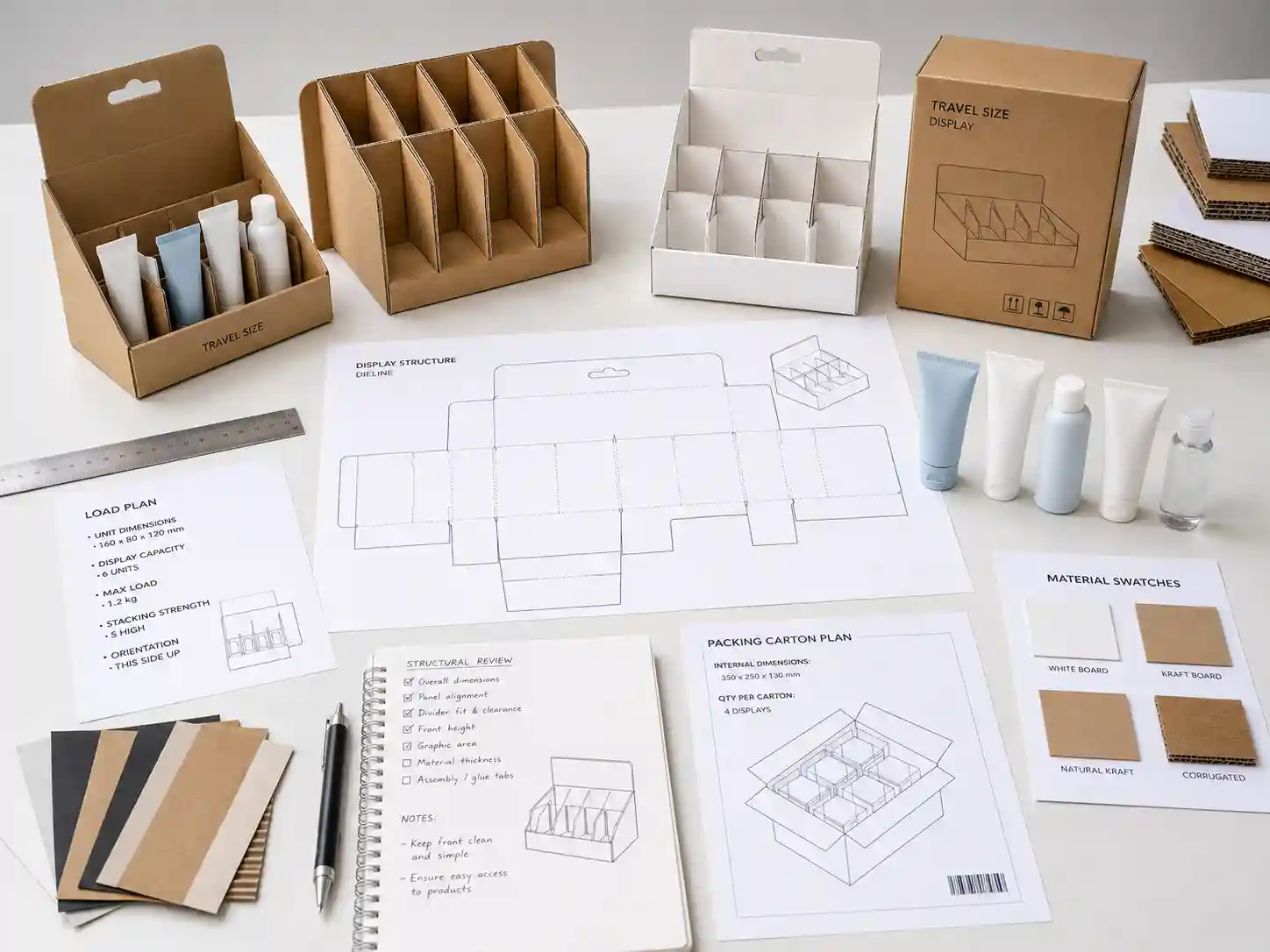
Sampling: The Step That Protects the Retail Campaign
A travel-size display may look simple in a drawing, but the sample reveals whether it will work in stores. Before production, a physical sample should be checked with real products or accurate dummy products.
During sampling, we focus on several practical points:
Can the product fit without forcing?
Can shoppers pick one unit without pulling out several pieces?
Does the front row stay neat after several removals?
Can retail staff refill the display quickly?
Does the display stand level when fully loaded?
Can the packed display fit into the export carton?
For pre-packed PDQ displays, we also check carton opening. The tear-away area should remove cleanly, and the printed display should not be damaged when staff open the carton. The products should remain in order after transport simulation.
For floor displays, we check assembly sequence. Retail staff should understand how to lock the base, insert trays, attach headers, and place products. Clear instruction sheets reduce setup errors.
Sampling also helps control cost. Sometimes a display does not need a heavy structure. In other cases, saving material in the wrong place can cause shelf sag or damaged corners. A sample helps find the balance between strength, cost, and retail appearance.
Flat Packing, Assembly, and Export Packing
For international buyers, packing method has a major effect on shipping cost and project reliability. Many cardboard displays are shipped flat packed to save volume. This works well when the display will be assembled at a warehouse, retailer, or distributor site.
Flat packing needs smart structure design. Locking tabs should be strong enough for repeated handling. Fold lines should be clean. Assembly should not require glue, tape, or special tools unless the project calls for it.
For PDQ displays, buyers may choose pre-packed shipping. This can save retail labor, but the export carton must protect both the products and the display. Corner protection, inner paper pads, product dividers, and carton strength need to match the transport route.
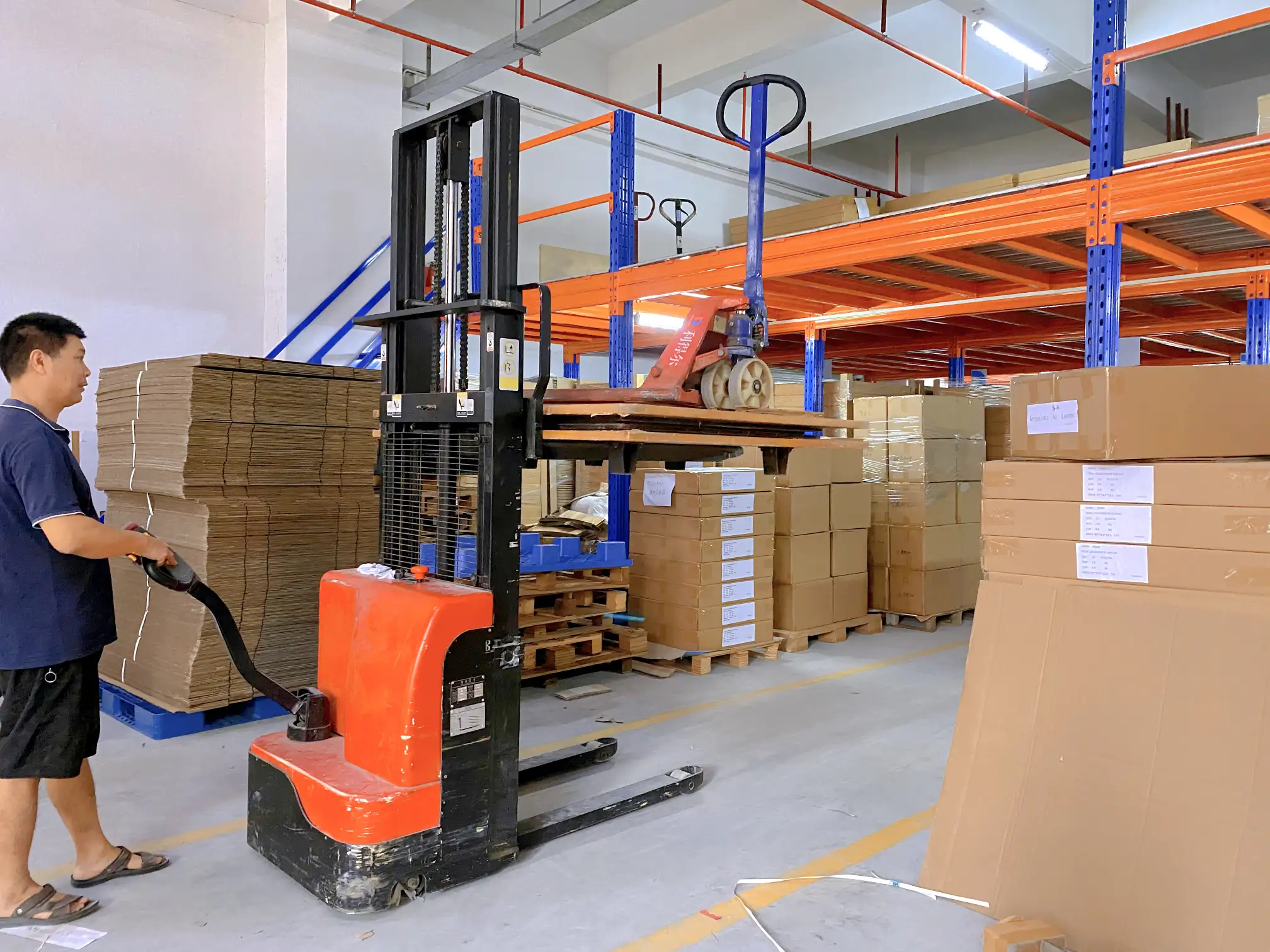
For floor displays, some brands choose semi-assembled packing. This reduces setup time while keeping carton size under control. The right method depends on the destination, product value, labor cost, and retailer requirements.
Leader Display supports B2B buyers from structure planning through sampling, printing, die-cutting, assembly guidance, and export packing. Buyers comparing formats can review cardboard display manufacturing options to match display type with retail use.
Refill Design Can Decide Store Performance
Refill is often missed in the first design meeting. For travel-size products, refill design is important because small items sell fast in impulse areas and can become messy after shoppers browse.
A good refill plan keeps the display neat with less staff effort. For counter displays, dividers and stepped trays help staff return each SKU to the right position. For PDQ displays, retail teams may replace the whole tray instead of refilling single pieces. For floor displays, lower storage compartments can hold extra stock behind or below the selling area.
Refill access should not damage the display. If staff need to bend shelves or remove tight parts, the display may lose strength. The structure should allow easy product loading from the front, top, or back, depending on the format.
For mixed travel-size assortments, SKU labels or small printed category markers can reduce confusion. This is useful when products have similar pack sizes but different scents, shades, or functions.
Print, Branding, and Retail Message
Small products need clear visual communication. The display should not rely only on the product label. Header cards, front panels, side panels, and shelf strips can explain why shoppers should pick the item.
For travel-size products, strong messages often focus on trial, convenience, carry-on use, gifting, refill packs, limited editions, or bundle value. The display artwork should be readable from the normal shopping distance.
Print choices may include offset printing, digital printing for samples or short runs, matte or gloss lamination, spot UV, foil stamping, or simple kraft finishes. The best choice depends on the brand position, order quantity, and retail environment.
A premium mini skincare launch may need clean white board, soft-touch lamination, and neat dividers. A travel snack campaign may need bright colors and larger price messaging. A hotel retail kit may need a compact counter display with a refined finish.
To keep projects practical, print design should be planned with structure. Important text should not fall on fold lines, locking tabs, or hidden areas. Barcodes, QR codes, and compliance marks should remain scannable after assembly.
How to Brief a Manufacturer Before Quotation
A clear project brief saves time and helps the manufacturer recommend the right structure. Buyers do not need finished dielines at the first stage, but they should share enough details to estimate size, material, and packing.
Useful brief details include:
Product dimensions and unit weight
Number of SKUs
Target quantity per display
Retail channel and placement area
Preferred display format, if known
Whether the display ships empty, flat packed, or pre-filled
Artwork requirements and brand colors
Destination country and export packing needs
Target launch date and sample deadline
Photos of the product and reference displays can also help. The manufacturer can then suggest tray depth, shelf count, peg spacing, board grade, and packing method.
For buyers still choosing a format, Leader Display can help compare counter, PDQ, peg, sidekick, floor, and pallet display options based on real product dimensions.
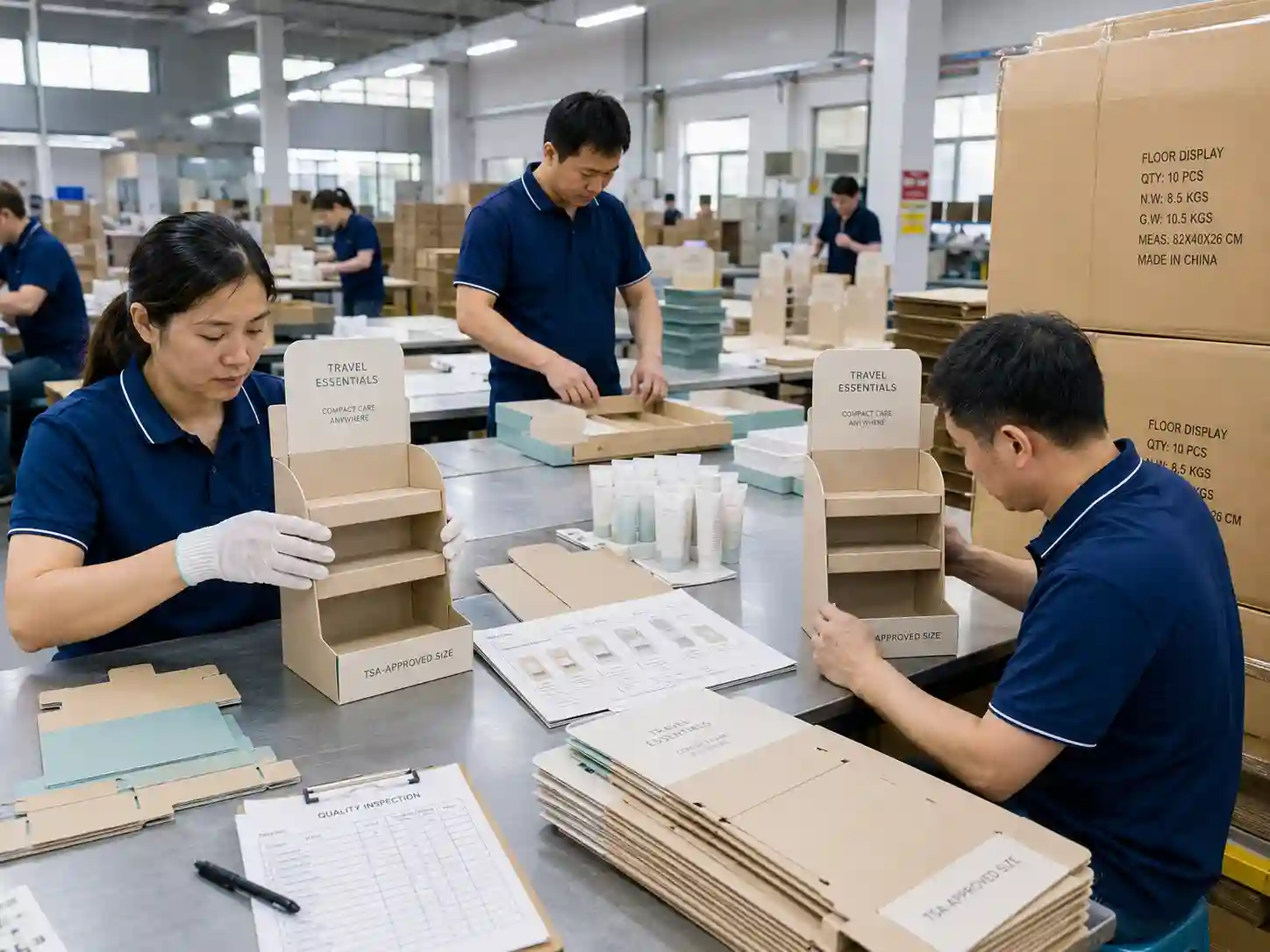
Common Mistakes to Avoid
One common mistake is choosing a display because it looks good in a mockup, without checking product access. If shoppers cannot pick the product easily, the display may reduce sales.
Another mistake is ignoring total loaded weight. Small products can create heavy displays when packed in large quantities. Weak shelves, thin backing boards, or shallow bases can lead to bending.
A third mistake is designing for the brand team but not the retail team. Retail staff need fast setup, clear refill access, and cartons that are easy to open. If the store team struggles with the display, the campaign may lose shelf time.
Buyers should also avoid overcomplicating the structure. More parts can increase assembly time, packing volume, and cost. A clean structure with the right material often performs better than a complex display that is hard to use.
Best Recommendation for Most Travel-Size Product Projects
For many travel-size product campaigns, the best starting format is a PDQ display if the product needs fast shelf placement, or a counter display if the product is sold through checkout and service areas. Peg displays work well for hanging packs, while floor displays are stronger choices for larger assortments or launch campaigns.
The strongest solution often combines retail logic with manufacturing discipline. Start with the product dimensions and unit weight. Choose the retail position. Confirm the refill method. Build a sample. Test product access, load strength, assembly, and export packing before bulk production.
A cardboard display for travel-size products should help the retailer place the product faster and help the shopper understand the offer sooner. With the right structure, material, and packing plan, even a small travel-size item can earn a clear, profitable space in the store.
For your next project, send the product size, weight, SKU count, target retail channel, and preferred packing method to a custom cardboard display manufacturer so the structure can be planned around real products, not guesswork.