Struggling to get your products noticed in a crowded store? It’s a tough world out there for brands. You need an edge, something that makes customers stop and look.
A corrugated display is a point-of-purchase (POP) display made from corrugated fiberboard. It’s a lightweight, customizable, and cost-effective way to showcase your products directly to consumers in a retail environment, helping them stand out from the competition and boosting sales. It's a silent but powerful sales tool.
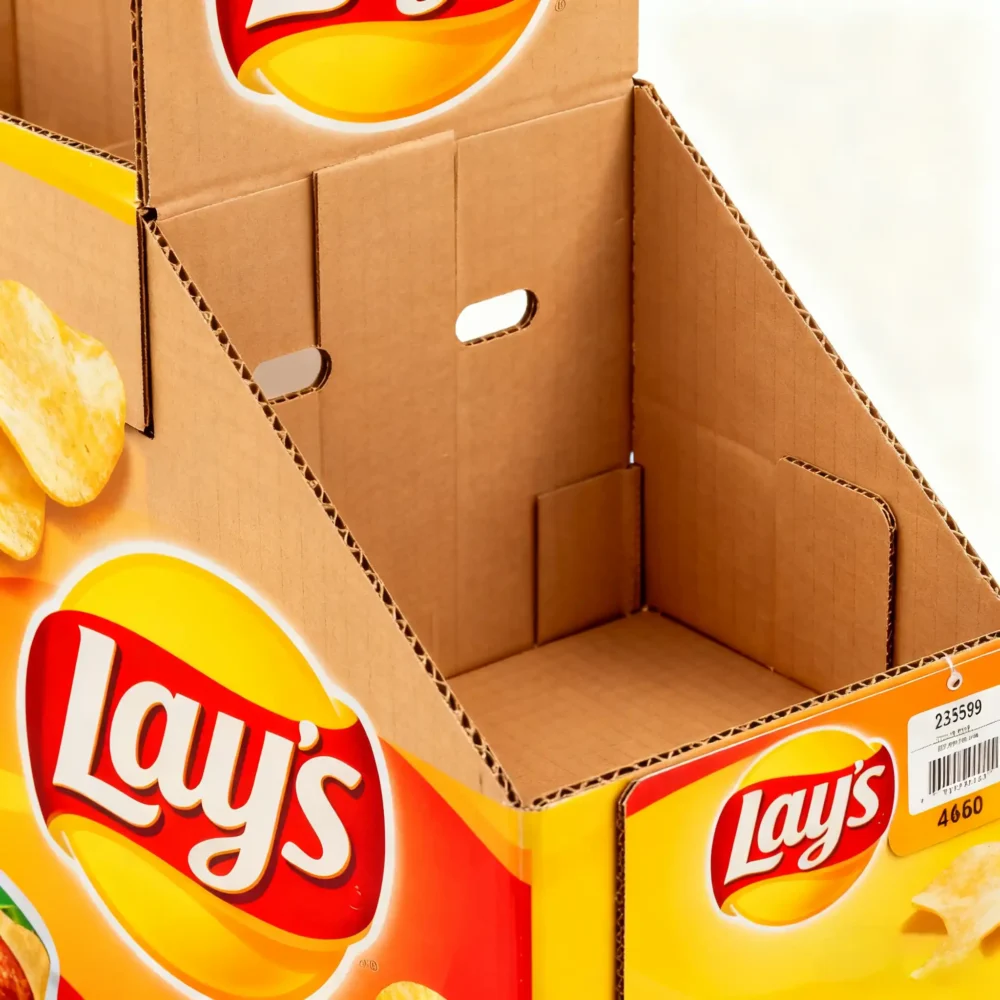
I've been in the commercial display industry for 16 years, and I’ve seen countless brands transform their in-store presence with this simple tool. It’s amazing how something as seemingly basic as a cardboard display can make such a huge impact. Let's explore how you can use them to your advantage. It’s a journey that I’ve taken with many clients, and it always leads to success.
What is the purpose of corrugated?
Ever feel like your product is lost on the shelf, just another face in the crowd? You invest so much in your product, but in the store, it just blends in.
Corrugated material serves multiple purposes; it provides structural support, protects products during shipping, and acts as a canvas for branding. Its primary goal is to create a cost-effective, lightweight, and customizable structure that can securely hold and present products in a visually appealing way, ultimately driving sales. [2, 3, 5]
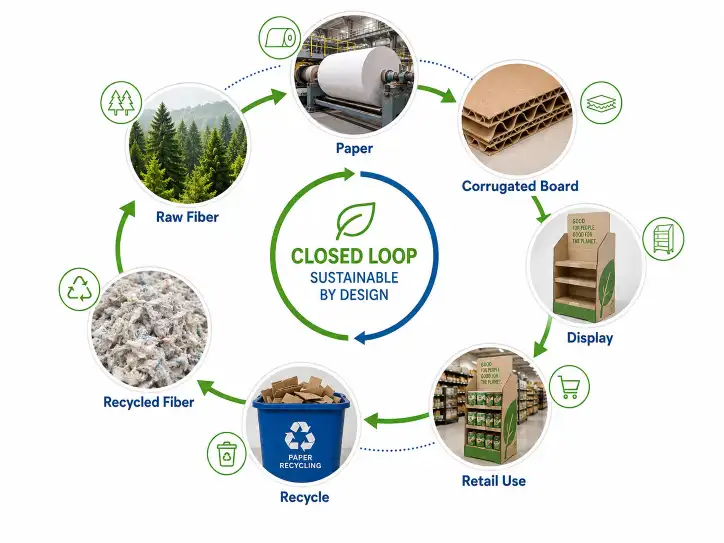
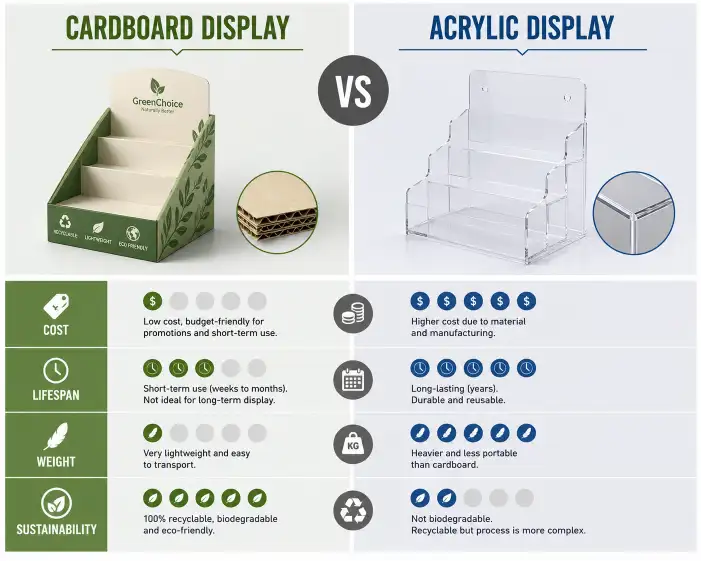
From my experience, the real magic of corrugated material lies in its versatility. I remember a client, a small startup making organic snacks. They had a fantastic product but a tiny marketing budget. We couldn't afford expensive metal or plastic displays. We decided to go with a custom-designed corrugated floor display. The result? Their sales tripled in the first month. The display was not just a container; it was a billboard that told their brand's story. It’s lightweight, which saves on shipping, and fully customizable. We can print high-resolution graphics and create unique shapes that grab attention. Think of it as your silent salesperson, working 24/7. It can be designed to be easily assembled, which is a huge plus for busy retail staff. [3, 5] Over the years, I've learned that the key is to balance creativity with practicality. For instance, the material is highly sustainable, often made from recycled content and easily recyclable itself, which resonates with today's eco-conscious consumers. [9, 10] This makes it not just a smart choice for your budget, but also for the planet.
| Feature | Benefit to Your Brand |
|---|---|
| Lightweight | Reduces shipping costs and makes it easy to move in-store. |
| Customizable | Allows for unique shapes and high-quality printing for branding. |
| Cost-Effective | An affordable marketing tool compared to plastic or metal displays. [2] |
| Sustainable | Made from recyclable materials, appealing to eco-conscious shoppers. [9] |
What are the 5 types of displays with examples?
Feeling overwhelmed by the different display options available? It’s hard to know which type will work best for your specific product and retail environment without some guidance.
There are many types of corrugated displays, but five common ones include Floor Displays, Counter Displays, Pallet Displays, Dump Bins, and Sidekick (or Power Wing) Displays. Each serves a different purpose, from showcasing large quantities to encouraging impulse buys at the checkout counter. [13]
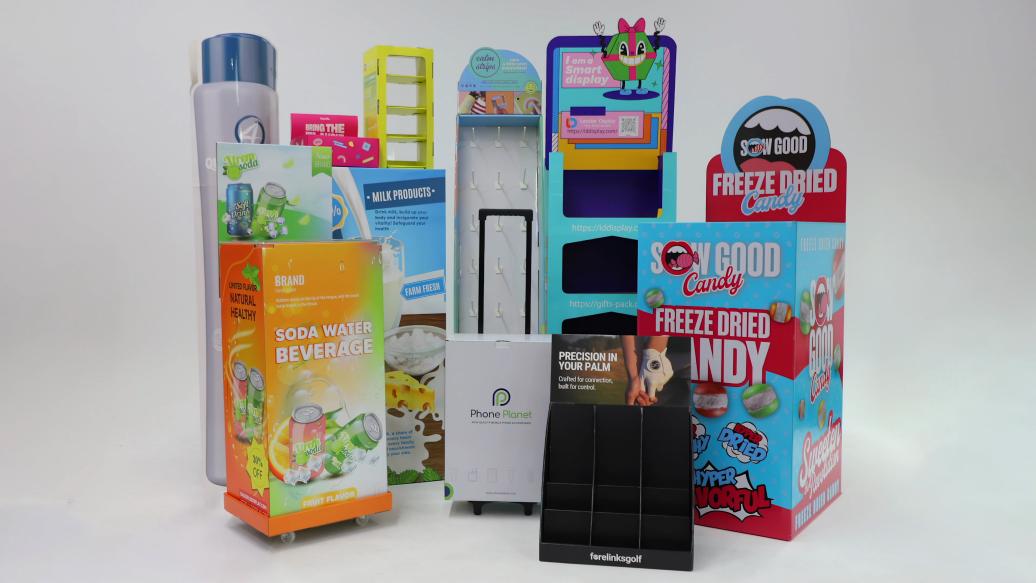
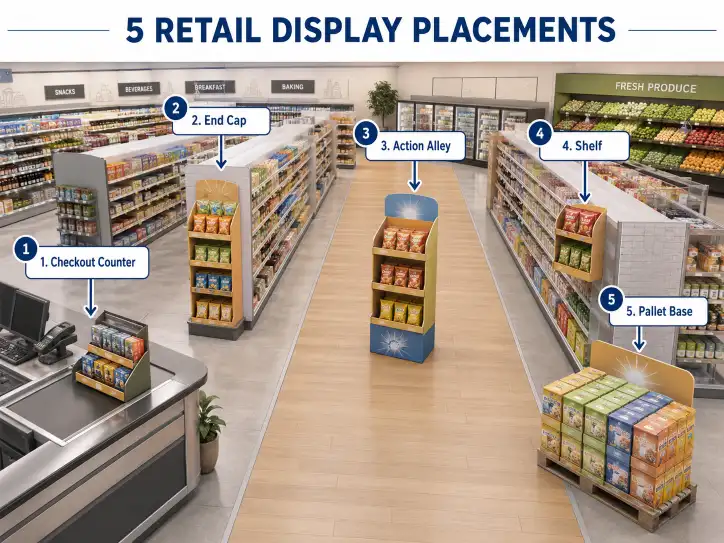
Choosing the right display type is crucial. I always tell my clients to think about the customer's journey through the store. Where will they see the product? How will they interact with it? For a new product launch, a Floor Display placed in a high-traffic aisle can work wonders. I once worked with a beverage company that used a floor display shaped like a giant bottle. It was impossible to miss. For smaller items, a Counter Display near the register is perfect for last-minute impulse buys. We designed one for a candy company, and the sales uplift was immediate. Pallet Displays are great for wholesale clubs or large retail chains where you want to move a high volume of products. They essentially create a "store within a store." [13] Dump Bins are fantastic for discounted items or products you want customers to sift through, like toys or DVDs. [13] It encourages interaction. Finally, Sidekick Displays, which attach to endcaps, are excellent for cross-merchandising. We used one to display snack clips next to potato chips, a simple but highly effective strategy.
| Display Type | Best Use Case | Example |
|---|---|---|
| Floor Display | High-traffic areas for new product launches or promotions. | A standee for a new movie release. |
| Counter Display | At the checkout for small, impulse-buy items. | A small box holding lip balms. |
| Pallet Display | Wholesale clubs or main aisles for bulk merchandise. [13] | A large display of soda cases. |
| Dump Bin | Sales, clearance, or interactive product discovery. [13] | A large bin of discounted toys. |
| Sidekick Display | Endcaps for cross-merchandising related products. | A display of batteries next to electronics. |
What is considered corrugated?
Is it just cardboard? Many people use the terms "cardboard" and "corrugated" interchangeably, but they are not the same thing. This confusion can lead to choosing the wrong material for your needs.
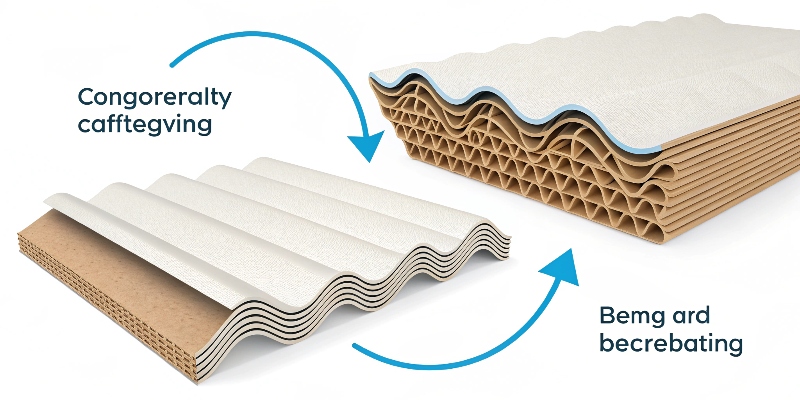
"Corrugated" refers to corrugated fiberboard, which is a material consisting of a fluted sheet and one or two flat linerboards. [6, 15] Unlike plain cardboard (which is just a thick paper stock), this multi-layer construction gives it rigidity and strength, making it ideal for shipping and displays. [7, 16]
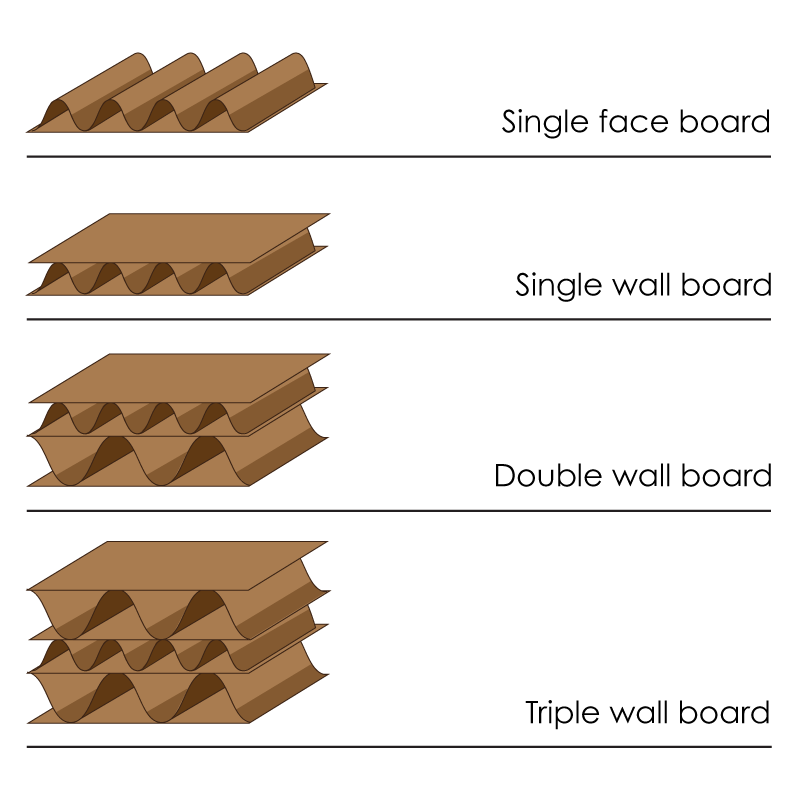
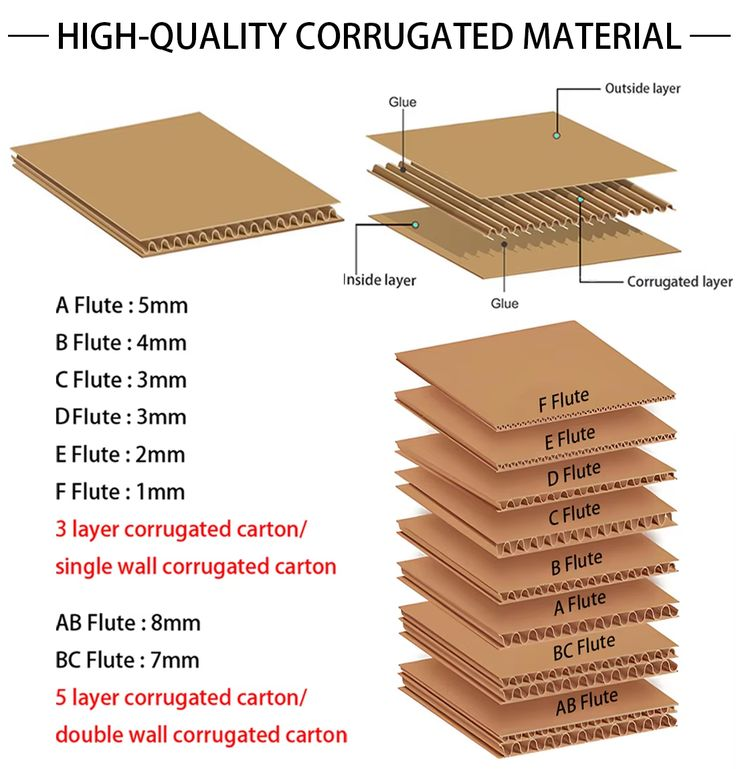
I spend a lot of my time explaining this difference. Think of it like this: a cardboard box, like a cereal box, is a single layer of paperboard. It's fine for holding cereal, but it won't protect a fragile item during shipping. Corrugated material, on the other hand, has that wavy layer of paper in the middle—the "flute." [7] This flute acts as a cushion, absorbing shock and providing insulation. The air columns created by the flutes help prevent damage during transport. [2] The structure is what gives it its strength. We can even play with the size of the flutes (A, B, C, E, or F flute) to engineer the board for different purposes. For instance, an 'A' flute is thicker and provides more cushioning, while an 'E' flute is thinner and gives a better printing surface for high-graphics displays. [19] It's this engineered quality that makes corrugated so much more than just "cardboard." It's a sophisticated material designed for performance, and understanding this is the first step to using it effectively.
| Term | Material Composition | Common Use |
|---|---|---|
| Cardboard | A single, heavy layer of paper-pulp or paper stock. [7] | Cereal boxes, small product packaging. |
| Corrugated | A fluted sheet sandwiched between one or two linerboards. [6, 15] | Shipping boxes, retail displays, protective packaging. |
What is the meaning of the word corrugated?
You might hear the word and just think "boxes," but what does it really mean? The term itself seems technical and might feel a bit intimidating if you're not in the industry.
The word "corrugated" simply means shaped into a series of parallel ridges and grooves. [21] Think of a corrugated metal roof or even corduroy pants. This shape provides added strength and rigidity to a material without adding a lot of weight.
I find the origin of the word fascinating because it perfectly describes the function. The process of "corrugating" paper—creating those waves or "flutes"—is what transforms a simple sheet of paper into a robust packaging material. The patent for corrugated paper actually dates back to 1856 in England, where it was first used as a liner for tall hats! [6, 15] It wasn't until later that its potential for shipping and displays was realized. My personal insight is that the convenience of folding is a huge advantage for transportation. However, assembly can sometimes be tricky. The "one-second" pop-up displays are super convenient but can be more expensive and may not bear as much weight. I often recommend the traditional buckle-style designs for clients who need more strength and durability. These are highly customizable and often more cost-effective. The beauty of corrugated lies in this balance of simplicity and strength, all captured in that one word. It’s a testament to smart engineering.
Conclusion
In short, corrugated displays are a versatile, cost-effective, and powerful tool. They help your product get noticed, tell your brand’s story, and ultimately, drive sales in a competitive retail world.